Aphids threaten lettuce crops – a warning signal for Norwegian food preparedness
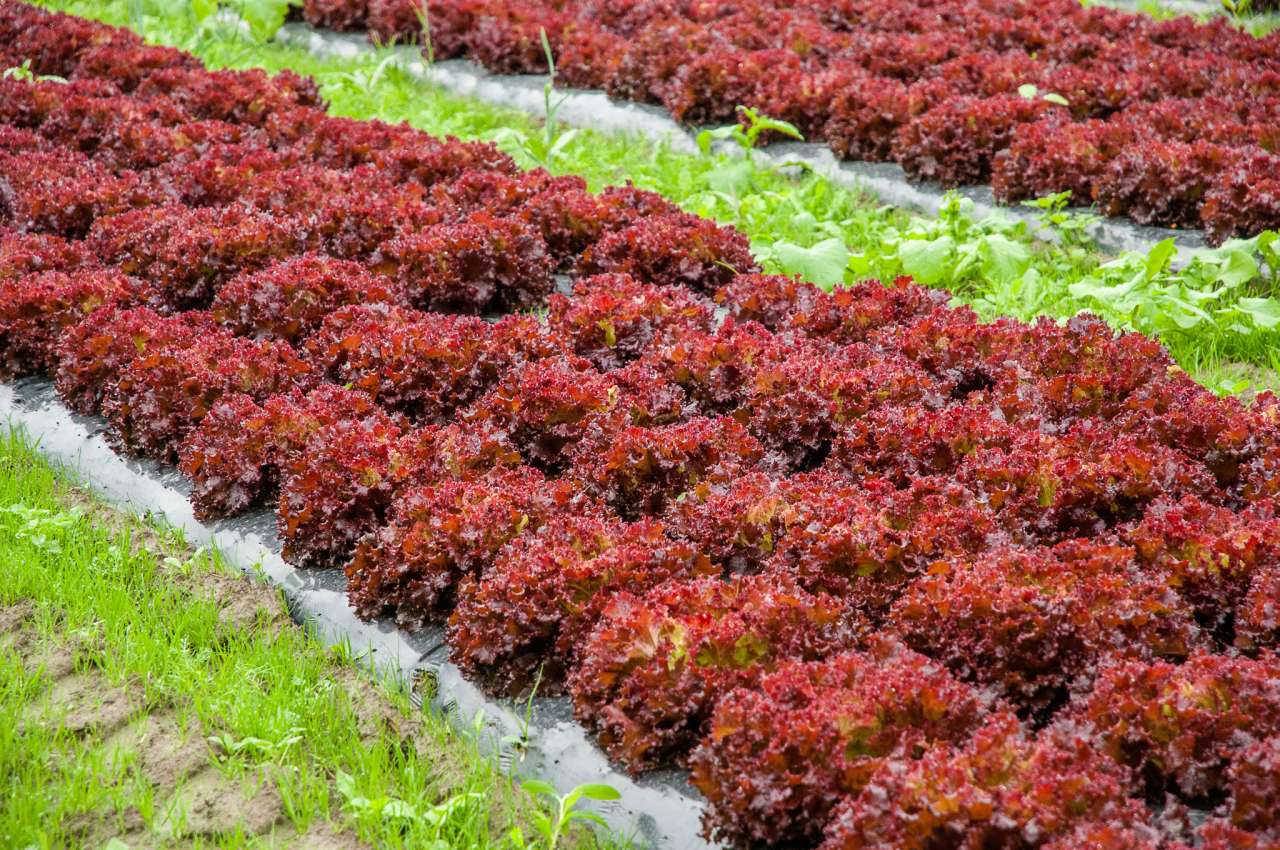
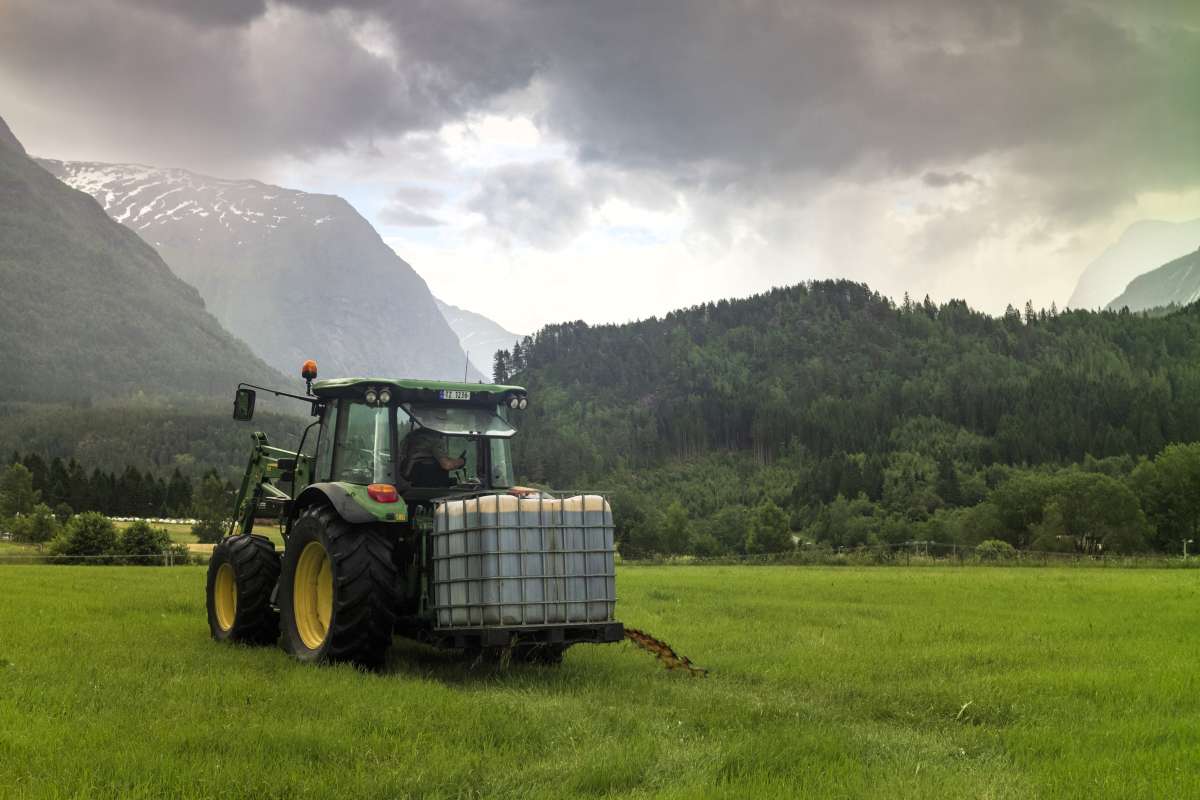
Lettuce growers and other food producers fear for their crops as pests spread and they no longer have access to plant protection products they previously relied on. Photo: Erling Fløistad
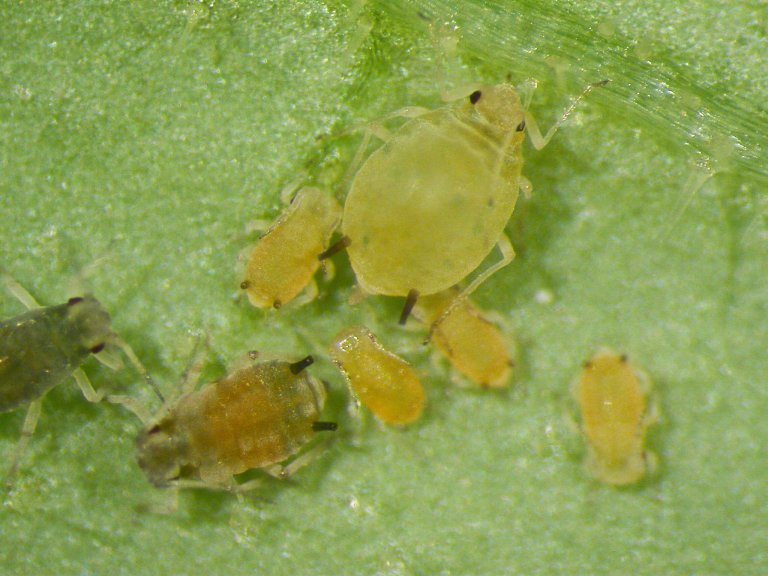
Pests are threatening Norwegian crops at the same time as key plant protection products have disappeared from the market. Farmers lack effective alternatives. This could lead to major yield losses and weaken Norway’s food preparedness. A new report from NIBIO warns that solutions are arriving too late.
“We are receiving feedback from lettuce growers and others who fear for their crops as pests spread throughout the summer, and they no longer have access to the plant protection products they previously relied on,” says Head of Department Ingeborg Klingen at NIBIO.
She is one of the authors behind the report, which highlights a broader issue: the lack of effective alternatives to chemical plant protection products in Norwegian agriculture.
“We have a goal of reducing the use of chemical products, but we still lack sufficiently effective solutions within integrated pest management (IPM) to replace them. This becomes very clear in situations like this,” says Klingen.
Could lead to major yield losses
According to the report, plant health is crucial for Norwegian food production. Without effective measures against pests, yield losses can range from 50 to 80 percent in some crops.
“This shows how vulnerable the system is. When we lack measures against specific pests, it has direct consequences for yields, farm economics, and food preparedness,” says Klingen.
Since 2015, Norway has followed the EU directive on the sustainable use of plant protection products, aiming for increased use of integrated pest management and reduced chemical inputs. However, more than ten years later, many of the solutions are still not in place.
“There are still too few practically applicable IPM tools available to growers. At the same time, we see that the use of some chemical products is increasing rather than decreasing,” she says.
Urgent need for new solutions
The report highlights several needs: more research and development of alternative methods, improved regulatory frameworks adapted to new solutions, and increased knowledge of how climate change affects pests.
“We need to develop new methods that can replace chemical products. This includes low-risk plant protection products, new technologies, and better understanding of the interactions between plants, pests, and the environment. When it comes to access to low-risk products, Norwegian farmers have fewer options than their counterparts elsewhere in Europe,” says Klingen.
She emphasizes that the challenge is not limited to lettuce but affects a wide range of crops in Norwegian agriculture.
“This is about the system as a whole. The lack of tools is not confined to a single pest or a single crop.”
Not all negative
Although the situation is challenging, the report also points out that Norwegian research and industry have made strong progress in certain areas. Precision agriculture and technologies for weed control have led to solutions that significantly reduce the use of plant protection products.
“Norwegian actors have been very successful in developing technologies that are used domestically and exported abroad. This shows that innovation in this field is possible,” says Klingen.
A growing balancing act
At the same time as more chemical plant protection products are being phased out for environmental and health reasons, the need for alternatives is increasing.
“We are facing a difficult balance: reducing chemical use while ensuring food production. That makes it essential to develop effective alternatives,” says Klingen.
For lettuce growers, the need is immediate. For agriculture, it is a warning signal.
“This highlights the importance of strengthening research, development, and collaboration between researchers, advisors, and the industry. Otherwise, we risk more such “gaps” in plant protection in the future,” she concludes.
Contacts
Ingeborg Klingen
Head of Department/Head of Research
-
Division of Biotechnology and Plant Health
(+47) 930 92 211 ingeborg.klingen@nibio.no Office Location: Ås H7
New report on plant health
Report: Kunnskapsstatus og -behov innan plantehelse i norsk jord- og hagebruk (2019–2026) (in Norwegian)
https://doi.org/10.21350/dh3r-db04
Commissioned by: Norwegian Agriculture Agency
Conducted by: NIBIO in collaboration with the Norwegian National Institute of Occupational Health (STAMI), the Norwegian Food Safety Authority, the Norwegian Agricultural Advisory Service (NLR), and growers (focus groups)
Background: Commissioned following agreement in the 2025 agricultural settlement on the need for updated knowledge
Content: Status of knowledge on plant health, effective plant protection, and alternatives to chemical plant protection products
Scope: Covers pests and plant protection measures in agriculture and horticulture in Norway
Purpose: To strengthen the knowledge base for measures, governance, and further development of sustainable plant protection
Contacts
Ingeborg Klingen
Head of Department/Head of Research
-
Division of Biotechnology and Plant Health
(+47) 930 92 211 ingeborg.klingen@nibio.no Office Location: Ås H7
Publications
Authors
Wiktoria Kaczmarek-Derda Trygve S. Aamlid Ingerd Skow Hofgaard Tatsiana Espevig Khaled Murad Agha Anette Sundbye Zahra Bitarafan Kirsten Tørresen Heidi Udnes Aamot Andrea Ficke Gunda Thöming Annette Folkedal Schjøll Håvard Eikemo Anne Muola Therese With Berge Belachew Asalf Tadesse Jorunn Børve Arne Stensvand Nina Trandem Gunnhild Jaastad Bjørn Arild Hatteland Katherine Ann Gredvig Nielsen Nina Johansen Charles Kwadha Inger Sundheim Fløistad Martin Pettersson Zhibo Hamborg Carl Jonas Jorge Spetz Dag-Ragnar Blystad Özgün Candan Onarman Umu Marit Skuterud Vennatrø Jan Philip Øyen Solveig Haukeland Tor-Einar Skog Roger Holten Anne Straumfors Valborg Kvakkestad Line Ulberg Tveiten Ingrid FlatlandAbstract
I Jordbruksoppgjøret 2025 (Prp. 149 S (2024 – 2025)) ble det enighet om at kunnskapsstatus og -behov innen plantehelseområdet fra 2019 måtte oppdateres. Det er gjort i form av denne rapporten. Den bestilte utredningen er avgrenset til skadegjørere og planteverntiltak som er relevante for jord- og hagebruk. Utredingen tar for seg kunnskap, prosjekter og kunnskapshull siden 2019 og fram til i dag (2026). Kapittel 1 omtaler metodebruk og plantevern i et beredskapsperspektiv. Kapittel 2.1-2.8 omhandler status for utfordringer med skadegjørere og tilgang til planteverntiltak for alle aktuelle plantekulturer for ugras, skadedyr og sopp. Kapittel 2.9 gir en oversikt over godkjente og utgåtte plantevernmidler siden 2019. Kapittel 2.10 omhandler skadegjørere hvor kjemiske plantevernmidler er i begrenset bruk. Det vil si virus, bakterier og nematoder. Kapittel 3 tar for seg ny teknologi og innovative metoder for integrert plantevern og faktorer som påvirker bruken av disse. Kapittel 4 omhandler miljø- og helseeffekter knyttet til bruk av kjemiske plantevernmidler, hvilke plantekulturer som utgjør størst risiko for negative miljøeffekter og faktorer som reduserer helserisikoen. Kapittel 5 tar for seg næringens behov og utviklingstrekk knyttet til kunnskap, rådgivning og tiltak. Dette kapittelet ser også på årsaker til eventuelle endringer i bruk av og behov for plantevernmidler som følge av for eksempel miljøkrav.