Profitability challenges and success factors in organic farming
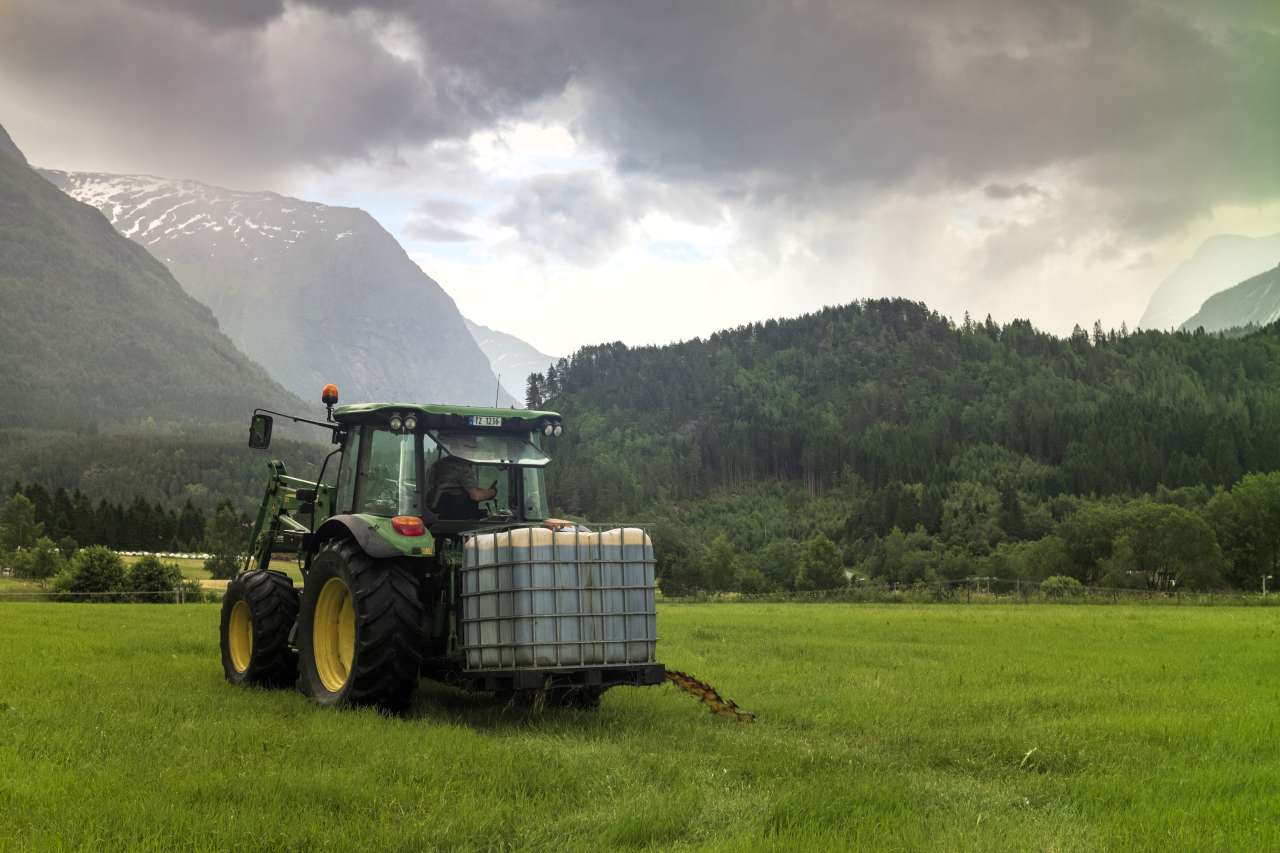
A new report from NIBIO shows that profitability in organic farming in Norway varies considerably across different types of production. Photo: Jonathan W. Cohen / iStock
A new report from NIBIO shows that profitability in organic farming in Norway varies considerably across different types of production. While some producers achieve strong results, the sector is characterized by uncertainty related to markets, regulations, and policy frameworks.
The report was commissioned by the Ministry of Agriculture and Food and is based on data from the Survey of Account Statistics for Agriculture and Forestry (Norwegian FADN) (Driftsgranskingar i jord- og skogbruk), as well as interviews with producers and stakeholders across the value chain.
"The analysis shows that there is no single explanation for profitability in organic farming. Financial performance is influenced by a combination of prices, subsidies, regulations, and market access," says senior advisor Marie Bogstad Ree.
Significant differences between production systems
The report highlights clear differences between production types. Organic cattle farms often have lower meat output than conventional farms. At the same time, many producers, especially dairy producers, find that costs and regulatory requirements make organic beef production less profitable.
As a result, some choose to sell part of their production as conventional products or to discontinue organic meat production altogether.
Grain production also faces major challenges. Organic farms have lower yields and higher risks, partly due to limited access to inputs such as manure and pesticides. Achieving sufficient protein content for food-grade grain can also be difficult.
At the same time, the report shows that some organic grain producers can achieve good results in certain years, although profitability is even more variable than in conventional farming.
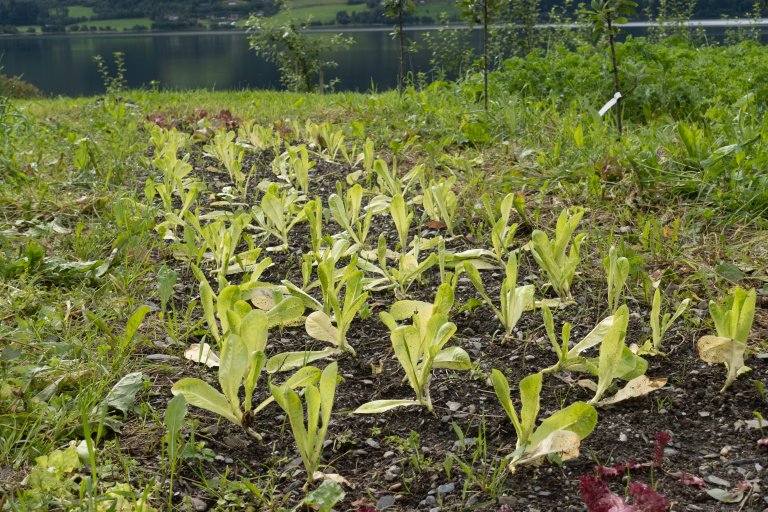
In the fruit and vegetable sector, market access is a key challenge. Many producers experience uncertain demand and fluctuating price premiums and are largely dependent on direct sales to ensure profitability.
Bottlenecks across the value chain
"A key finding is that profitability in organic production is not only about farm-level management, but about the entire value chain," says Bogstad Ree.
Unpredictable market outlets, logistical challenges, and requirements for separate handling of organic products can create additional costs and uncertainty. In some cases, organic products are also sold as conventional if dedicated channels or processing capacity are lacking.
Clusters can improve profitability
The report points out that greater geographical concentration of production—so-called clusters—can improve profitability, particularly in dairy and grain production.
"Clusters can improve access to key inputs such as manure and make logistics more efficient," says Bogstad Ree.
Cooperation between producers can also reduce risk and strengthen operations. While some collaborative production areas already exist, there is still significant potential for increased coordination.
At the same time, the report notes that the current system is largely driven by downstream actors, which may limit flexibility for producers.
Requires more than current policy measures
Norway has set a target that 10 percent of agricultural land should be organic within 2032. The report concludes that achieving this will require strengthening several areas:
- more stable and predictable policy frameworks
- improved market access for organic products
- reduced risk during the conversion period
- more efficient organization of the value chain
Without such measures, organic production will continue to be characterized by high uncertainty and variable profitability, according to the report.
Contacts

Marie Bogstad Ree
Senior Adviser
-
Division of Survey and Statistics
(+47) 994 11 159 marie.bogstad@nibio.no Office Location: Ås O43

Contacts
Marie Bogstad Ree
Senior Adviser
-
Division of Survey and Statistics
(+47) 994 11 159 marie.bogstad@nibio.no Office Location: Ås O43
Publications
Abstract
NIBIO har på oppdrag fra Landbruks- og matdepartementet (LMD) gjennomført en utredning som undersøker lønnsomheten i ulike økologiske jordbruksproduksjoner. Fokuset har vært på primærproduksjon og det er gjennomført en analyse av lønnsomhet i ulike økologiske produksjoner basert driftsgranskinger i jord- og skogbruk. Vi har undersøkt suksessfaktorer for god lønnsomhet, blant annet gjennom intervjuer med produsenter og andre relevante aktører. De produsentene som oppnår best lønnsomhet kjennetegnes av høy agronomisk kompetanse, god tilgang på husdyrgjødsel og vekstskifteareal, diversifiserte produksjoner, og solide rutiner for arbeidsflyt. Mange har også funnet løsninger i direkte omsetning, merkevarebygging og samarbeid—særlig i områder som allerede fungerer som produksjonsklynger.