
Eva Skarbøvik
Seniorforsker
(+47) 416 28 622
eva.skarbovik@nibio.no
Sted
Ås - Bygg O43
Besøksadresse
Oluf Thesens vei 43, 1433 Ås (Varelevering: Elizabeth Stephansens vei 21)
Biografi
Utdanning:
Erfaring og kompetanse:
- Vannovervåking og tiltaksgjennomføring i henhold til vannforskriften
- Integrert vannressursforvaltning
- Erosjon og transport av forurensing i vann; kanterosjon og utforming av kantsoner langs vassdrag
- Effekter av klimaendring på vassdragssystemer
- Miljøeffekter av vannkraftutbygging (hydrologi, vannkjemi, sediment)
Sammendrag
Small retention ponds are increasingly recognised as effective nature-based solutions for managing hydrological extremes in Norway’s agricultural catchments. Typically located in upper catchment areas or at the forest–agriculture interface, these ponds temporarily store runoff during intense rainfall events and snowmelt. In addition to flood mitigation, they provide important co-benefits by reducing soil erosion and sediment transport and by protecting agricultural drainage systems from erosion and overflow during extreme events, thereby supporting long-term soil productivity. Although individual storage volumes are limited, their cumulative impact at the catchment scale can be substantial when retention ponds are strategically distributed across the landscape. This study investigates the potential effects of small retention ponds using process-based hydrological modelling with SWAT+ to support catchment-scale climate adaptation planning in a Norwegian agricultural catchment. SWAT+ enables an improved representation of hydrological connectivity between managed landscapes and the stream network through its flexible spatial structure and rule-based management algorithms. The model is calibrated using a constraint-based approach that integrates both soft and hard data to represent streamflow and sediment dynamics in the Lierelva catchment. Multiple retention ponds are implemented to assess their cumulative effects on streamflow and sediment transport. Finally, the study discusses key challenges associated with modelling catchment–NBS interactions using SWAT+.
Forfattere
Martyn Futter Katri Rankinen Joachim Audet Heleen de Wit Csilla Farkas Martin Forsius Jens Fölster Anastasija Isidorova Øyvind Kaste Dominika Krzeminska Katarina Kyllmar Emma Lannergård James Edward Sample Eva Skarbøvik Lars Sonesten Brian KronvangSammendrag
River mouth nitrogen: phosphorus: silicon (N:P:Si) stoichiometry can predict marine eutrophication potential. Furthermore, deviations from Redfield molar N: P:Si = 16:1:20 ratios can offer insight into limiting nutrients and risks for harmful algal blooms (HAB). Here, we present N:P:Si stoichiometry based on total P, dissolved inorganic N and dissolved Si for 88 coastal river mouths in Norway, Sweden and Finland between 2017 and 2024. Rivers ranged from ultra-oligotrophic to hyper-eutrophic. N and P concentrations increased from north to south, with no latitudinal Si gradient. Most rivers were either P or jointly NP depleted relative to Si, with no overall evidence of Si depletion. However, there was some evidence of seasonal Si depletion. We show how using multi-element approaches, e.g., the Index of Coastal Eutrophication Potential (ICEP) can help to guide management actions. Specifically, Using Si depletion relative to N and P concentrations as an indicator of HAB potential may offer a means to identify catchments where nutrient load reductions can have the largest benefit on marine ecosystem health. Such multi-element approaches can complement single nutrient assessments based on, e.g., the Carlson Trophic Status Index or Water Framework Directive status class assessments.
Sammendrag
Rapporten er bestilt av Vannområde Haldenvassdraget og oppdraget var å tallfeste ulike prosesser i kantsoner langs vassdrag, med fokus på hvordan de endrer seg avhengig av om det er trær eller gras langs med kantene. Talllfestingen er basert på en litteraturgjennomgang, og rapporten har tabeller med kvantifiserte beregninger av vann- og næringsopptak i vegetasjon, renseeffekt i kantsoner, kanterosjonsrater, og vanntemperatur. Rapporten har også illustrasjoner som beskriver prosessene. Litteratur er søkt på engelsk, tysk, norsk og fransk. Kapittel 8 oppsummerer funnene.
Divisjon for miljø og naturressurser
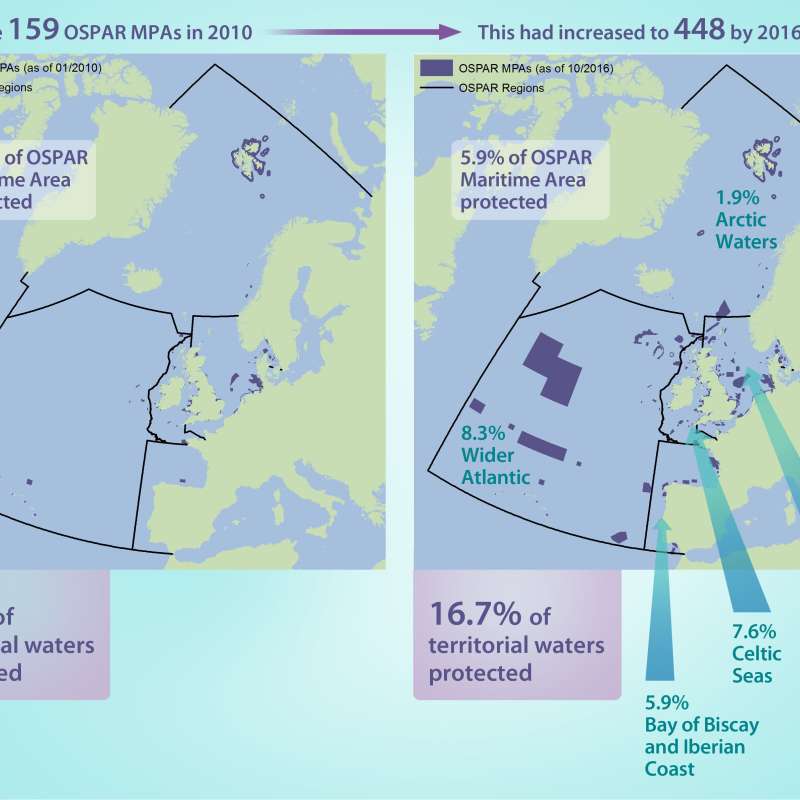
Riverine Inputs and Direct Discharges - RID
The Comprehensive Riverine Inputs and Direct Discharges (RID) programme aims to monitor and assess all inputs and discharges of selected contaminants to the OSPAR maritime area and its regions that are carried via rivers into tidal waters, or are discharged directly into the sea, for example through sewage pipelines or activities like aquaculture inputting substances directly.
Divisjon for miljø og naturressurser
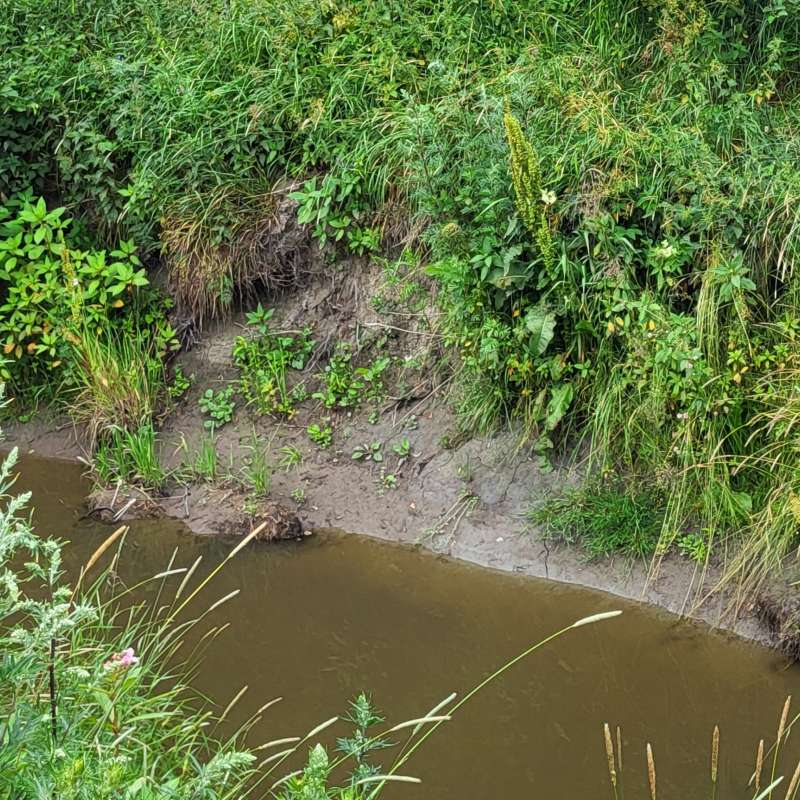
Kråkstadelva: Tiltak mot flom og erosjon
Kråkstadelva er et jordbruksvassdrag som har utfordringer med flom, oversvømmelser og erosjon i elvekantene. Utfordringene skyldes dels klimaendringer med økt og mer intens nedbør, dels ulike menneskelige inngrep i nedbørfeltet. I dette prosjektet vil vi ha søkelys på hvilke tiltak som kan iverksettes oppstrøms i nedbørfeltet for å redusere problemer med kanterosjon og oversvømmelser nedstrøms.

Divisjon for miljø og naturressurser
Hydrologiske strategier for optimalisering av funksjonen til fangdammer i et endret klima
Fangdammer er kjent som effektive tiltak for å redusere forurensning og forbedre vannkvalitet i jordbruksbekker.
Divisjon for matproduksjon og samfunn
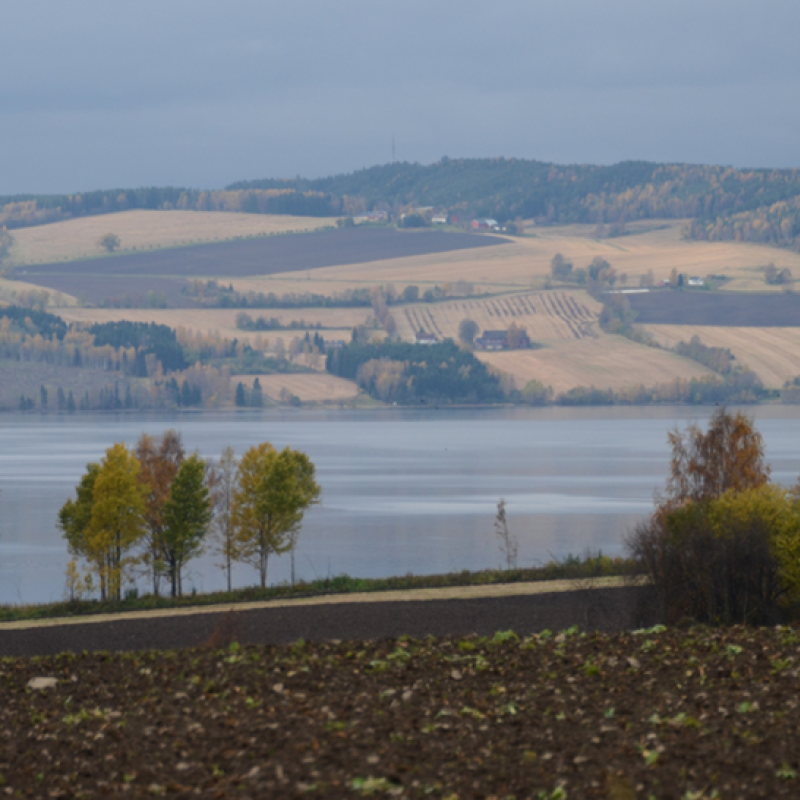
Agricultural mitigation measures and the value of water quality improvements
Agriculture is one of the main sources of water pollution in Norway, and an important contributor to GHG emissions.
Divisjon for matproduksjon og samfunn
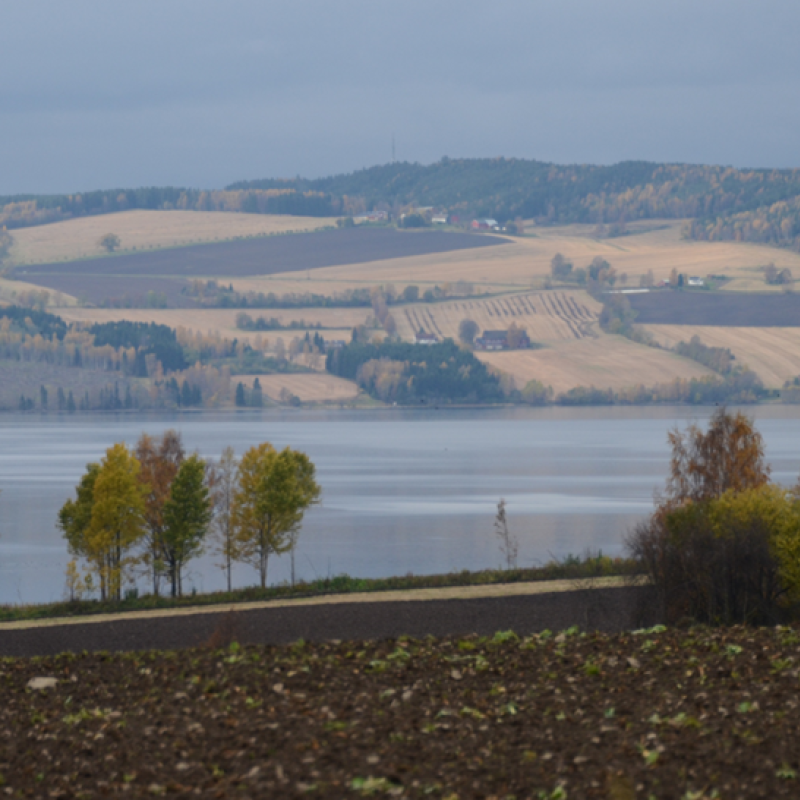
Tiltak i landbruket og verdien av forbedret vannkvalitet
Landbruket er en av de viktigste kildene til vannforurensing i Norge, og samtidig en stor bidragsyter til klimautslipp.