
Franziska Fischer
Forsker
(+47) 413 60 988
franziska.fischer@nibio.no
Sted
Ås - Bygg O43
Besøksadresse
Oluf Thesens vei 43, 1433 Ås (Varelevering: Elizabeth Stephansens vei 21)
Sammendrag
Studien undersøkte hvordan ulike dreneringssystemer (torpedo-, slisse- og tradisjonelle grøfter) påvirker hydrologi, nitrogentap, lystgassutslipp og avling av korn på marin leire. Bakgrunnen er økende nedbørintensitet som gjør god drenering nødvendig for å sikre avlinger. Forsøket ble gjennomført fra 2023 til 2025 på Grimsrud gård, Østfold der vannstrømning, jordfuktighet, nitrat i drensvann og klimagassutslipp ble målt. Tekniske problemer førte imidlertid til databrudd i flere sesonger. Hydrologiske data viste store variasjoner mellom både systemer og år. Torpedogrøftene hadde ofte noe høyere avrenning og langsommere tørkehastighet, trolig på grunn av høyere jordfuktighet og mulig jordpakking. Nitratmålinger viste ingen entydige forskjeller mellom systemene, og stor romlig variasjon mellom grøfter gjorde det vanskelig å beregne representative N‑tap. Sensorene viste karakteristiske nitratpulser under nedbør, men episodisk avrenning skapte usikkerhet. Lystgassmålingene viste gjennomgående høyere N₂O‑utslipp i torpedosystemet, særlig under våte forhold tidlig i sesongen. Dette indikerer økt denitrifikasjon i perioder med begrenset dreneringsytelse. Avlingsregistreringer viste ingen systematiske forskjeller mellom dreneringsmetodene. Samlet viser resultatene at forskjeller mellom systemene er vanskelige å dokumentere sikkert på grunn av stor naturlig variasjon og tekniske utfordringer. Videre overvåkning med forbedret måleoppsett anbefales for å kunne vurdere langtidseffekter på hydrologi og nitrogentap.
Sammendrag
Excessive phosphorus and nitrogen losses from agricultural areas cause eutrophication, one of the most prevalent global water quality challenges. This study's main goal was to identify and evaluate the occurrence of diffuse pollution attributed to extreme hydrologic events from agriculturally dominated areas. We analyzed the Norwegian Agricultural Environmental Monitoring Program long-term data from four catchments representing different agricultural practices and climate regimes. Extreme flows were set at ≥10% exceedance (Q10) flows and the corresponding nutrient and sediment losses were evaluated. The extreme flow occurrences between the catchments were significantly different, especially in spring and autumn months. In southeastern Norway (cereal crops; distinct winter freeze and thaw), at least 70% of the total suspended sediments (TSS) and total phosphorus (Ptot) losses were attributed to extreme flows. Forty percent of the TSS and nutrient losses were attributed to extreme flows in the grassland-dominated in western Norway (coastal climate, high annual total precipitation). In southern Norway (vegetables, coastal climate), TSS and Ptot losses were largely attributed to extreme events but only 30% of the dissolved phosphorus and 40% of the total nitrogen losses. The occurrence of diffuse pollution due to extreme events varied significantly between agricultural practices and climate regimes. We recommend that the effectiveness and efficiency of conservation measures against extreme hydrologic events in relation to agricultural practices and prevailing climate conditions should be accounted for in planning and implementation.
Sammendrag
Avrenningsforsøket på Kjelle (2014–2025) undersøker tap av jord og næringsstoffer fra flate kornarealer med under 2 % helling. Forsøket måler overflate- og grøfteavrenning for behandlingene høstpløying, vårpløying, høstkorn og høstsådd fangvekst. Målingene viser at grøfteavrenningen utgjorde om lag 80 % av den totale avrenningen, og var hovedveien for tap av både jord (62 %), fosfor (72 %) og nitrogen (84 %). Vårpløying viste seg samlet sett å være det mest effektive tiltaket, med lavest gjennomsnittlig tap av jord (23 kg/daa), totalfosfor (148 g/daa) og nitrogen (1,5 kg/daa). Dersom de to første årene utelates på grunn av nygrøfting, reduseres det gjennomsnittlige jord- og fosfortapet med henholdsvis 40 % og 20 %. Resultatene for 2024/2025 viser at høstsådd fangvekst (havre, vikker og fôrreddik) ga god beskyttelse mot erosjon og fosfortap, med verdier på nivå med eller bedre enn vanlig vårpløying. Fangvekst medførte imidlertid det høyeste nitrogentapet av samtlige behandlinger (over 1,6 kg N/daa), hvor nesten hele tapet skjedde gjennom drensgrøftene. Vårpløying var dermed det mest effektive tiltaket for å begrense nitrogentapet.
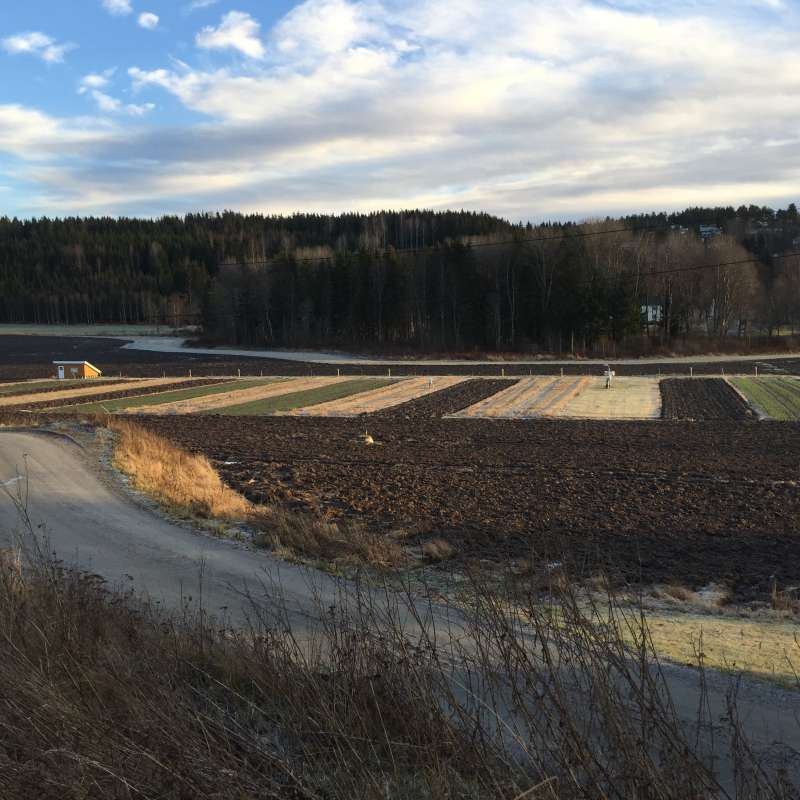
Divisjon for miljø og naturressurser
Kjelle ruteforsøk

Divisjon for miljø og naturressurser
CURIOSOIL
Igjennom CURIOSOIL skal jordundervisningen styrkes, i og utenfor klasserommet for alle aldersgrupper. Målet er å vekke interessen for jord og fremme jordkunnskap i Europa.

Divisjon for miljø og naturressurser
CURIOSOIL
Through CURIOSOIL, soil education will be strengthened, both in classrooms and at other learning arenas, for all age groups. The aim is to enhance soil literacy in Europe.
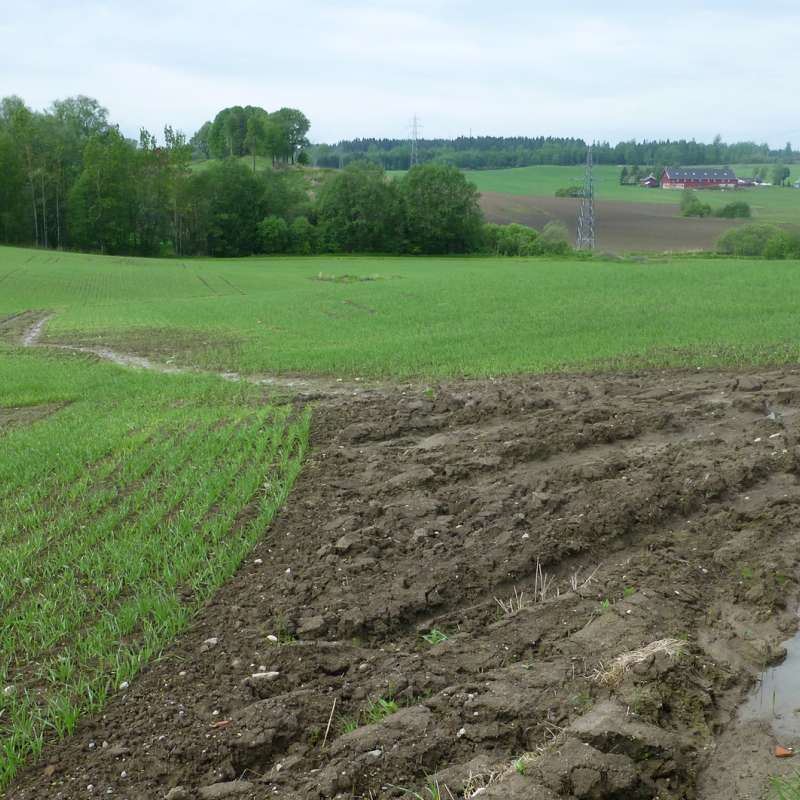
Divisjon for miljø og naturressurser
EUROSION
European Soil Erosion Monitoring and Modelling Network for Sustainable Agricultural Land Management
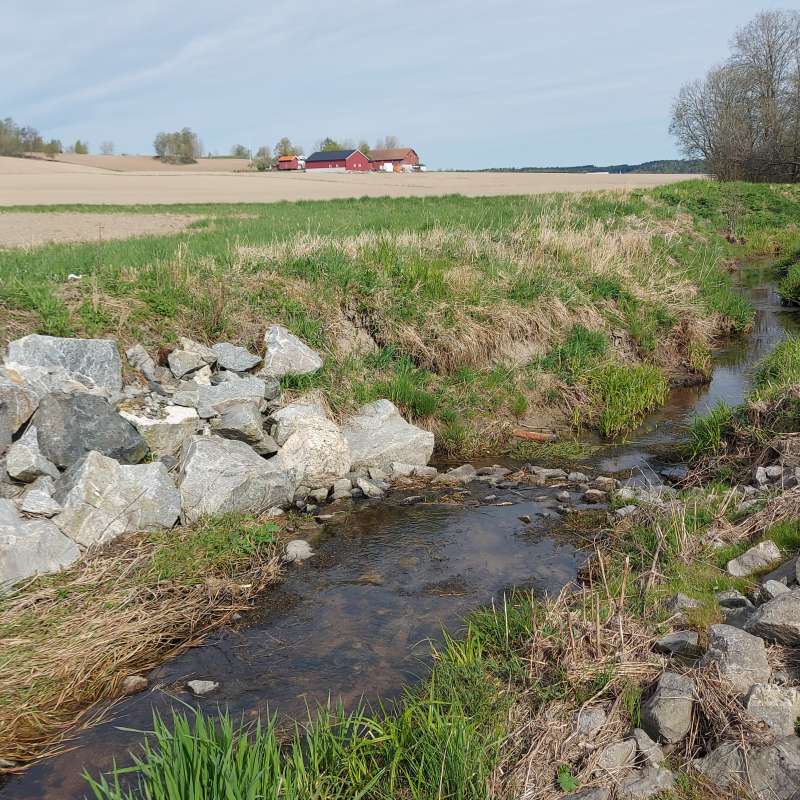
Divisjon for miljø og naturressurser
PATH4MED: Demonstrating innovative pathways addressing water and soil pollution in the Mediterranean Agro-Hydro-System.
Path4Med is a multi-participatory and multidisciplinary project that will pave clear pathways towards zero water and soil pollution in the agro-hydro-system of the Mediterranean sea basin and other European seas through an innovative triple bottom line approach achieving economic, social, and environmental sustainability to ensure human well-being and ecosystems functioning.
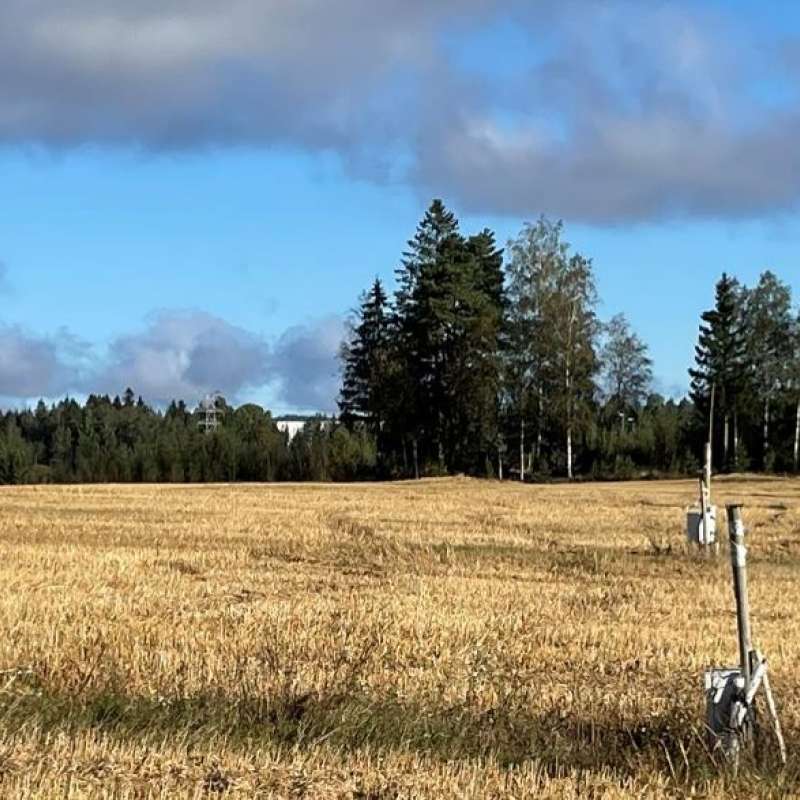
Divisjon for miljø og naturressurser
Precilience: Precision climate resilience for agriculture and forestry sectors in the European boreal regions
Precilience will develop precision solutions with farmers, foresters, landowners, and other actors to increase climate resilience in the Nordic-Baltic regions of Denmark, Estonia, Finland, Norway and Sweden.