
Bolette Bele
Forsker
(+47) 911 95 359
bolette.bele@nibio.no
Sted
Trondheim
Besøksadresse
Klæbuveien 153, bygg C 1.etasje, 7030 Trondheim
Biografi
Jeg er vegetasjonsøkolog med en doktorgrad fra Norges miljø- og biovitenskapelige universitet (NMBU). Mitt forskingsarbeid har spesielt fokus på interaksjonen mellom natur- og kulturarven i jordbrukslandskapet, og jeg har over lang tid jobbet med verdiene i seterlandskapet og betydningen av å opprettholde seterkulturen. Betydningen av å anvende immateriell kulturarv og tradisjonell økologisk kunnskap (TEK), samt kunnskap om brukshistorien for å bevare biologisk mangfold, trua naturtyper og andre landskapskvaliteter er sentralt i mitt arbeid. Videre har jeg fokus på lokal matproduksjon og «terroir»- effekter. Jeg deltar også i overvåkningsprogrammer, blant annet i overvåkning av semi-naturlig eng. I tillegg til økologiske/botaniske metoder, anvender jeg kvalitative og etnografiske metoder.
Sammendrag
This paper describes from a methodological point of view a recent attempt to test how Historic Landscape Characterisation (HLC) as developed with respect to the British landscape can be adapted and applied to the different and distinctive landscapes of a Norwegian upland territory, on the edges of the Hardangervidda plateau. This is an area characterised by mobility, close nature-culture interactions, and practices such as summer farming and short-distance transhumant practices. The research was carried out by two Norwegian agencies – NIKU and NIBIO – as part of a larger project known as PARKAS designed in the context of green transitions to promote better-integrated and publicly-responsible management and safeguarding of protected areas. We briefly describe the origins and principles of HLC in Britain, and then at greater length assess the suitability of HLC in Hardangervidda and key ways by which the approach would require modification and adaptation. A concrete method for a Hardangervidda HLC – and a suitable high-level classification – is identified and discussed.
Forfattere
Anaïs Zimmer Adrienne Grêt-Regamey Ignacio Palomo Carolina Adler Meryem Aakairi Marie Anière Fabien Anthelme Chloe Baruffa Bolette Bele Vincent Ralph Clark Aida Cuni-Sanchez Sebastian Eiter Richard Field WariNkwi Flores Katherine Hanly Jan Hartmann Amina Maharjan Sara Manuelli Dominic Andreas Martin Nelly Nambande Masayi Paula Mayer Graham McDowell Holly Moulton Anne Nolin Lydia Olaka Binaya Pasakhala Jorge Recharte Neema Robert Kinabo Luciana Rojas Hanne Sickel Lobzang Stanzen Peter John Taylor Irene Teixidor-Toneu Catherine Tucker Sabarnee Tuladhar Robert MarchantSammendrag
Det er ikke registrert sammendrag
Sammendrag
Foredraget handlet om hvordan lokal frøhøsting og etablering av blomsterenger i Midt-Norge kan bidra til å øke artsmangfoldet i hager og kantarealer, og dermed bidra til bedre levevilkår for ville pollinatorer. Innholdet, oppbyggingen og formålet med "Frøboka - Handbok for innsamling av insektvennlig blomstereng"(Svalheim, Almlid, Bär, Bele, Daugstad, Hatteland, Henriksen, Hetland & Sundsdal 2021), som ble utgitt på Fagbokforlaget i 2021, ble presentert. Videre ble betydningen av å ta vare på artsrike restarealer av semi-naturlig/kulturbetinga eng belyst. Foredraget supplerte Jørgen Lervik (NIBIO), som presenterte arbeidet med oppformeringen av regionalt frø ved NIBIO sin forsøksstasjon på Tuv.
Divisjon for matproduksjon og samfunn
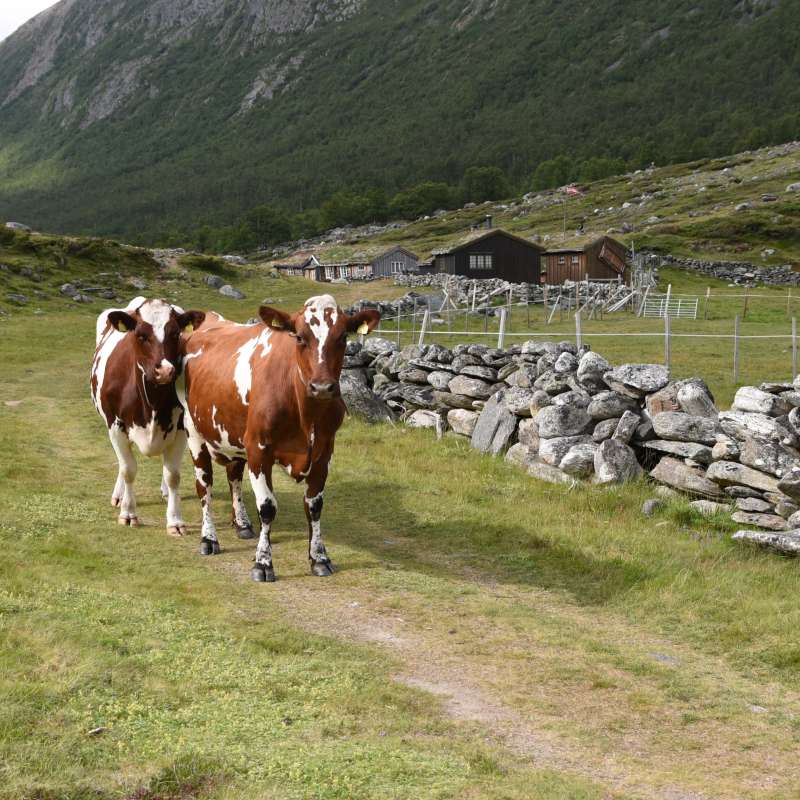
Seterdrift som miljøtiltak
Gårder med seterdrift og utmarksbeiting forvalter store kultur-og miljøverdier, som ikke bare kommer landbruket men også storsamfunnet for øvrig til gode. Dessverre er både seterdrifta og bruken av utmarksressursene nå i tilbakegang, med gjengroing av landskapet både i dalsidene og opp mot snaufjellet som resultat.
.JPG?quality=60)
Divisjon for matproduksjon og samfunn
Seterdrift som ressurs for framtidas landbruk
Bønder som holder seterdrifta og utmarksbruken levende, forvalter store kultur- og miljøverdier som ikke bare kommer landbruket, men også storsamfunnet til gode. Beitende husdyr er en nøkkelfaktor i seterlandskapet, og bidrar til å opprettholde et attraktivt kulturlandskap og et stort biologisk mangfold.
Divisjon for kart og statistikk
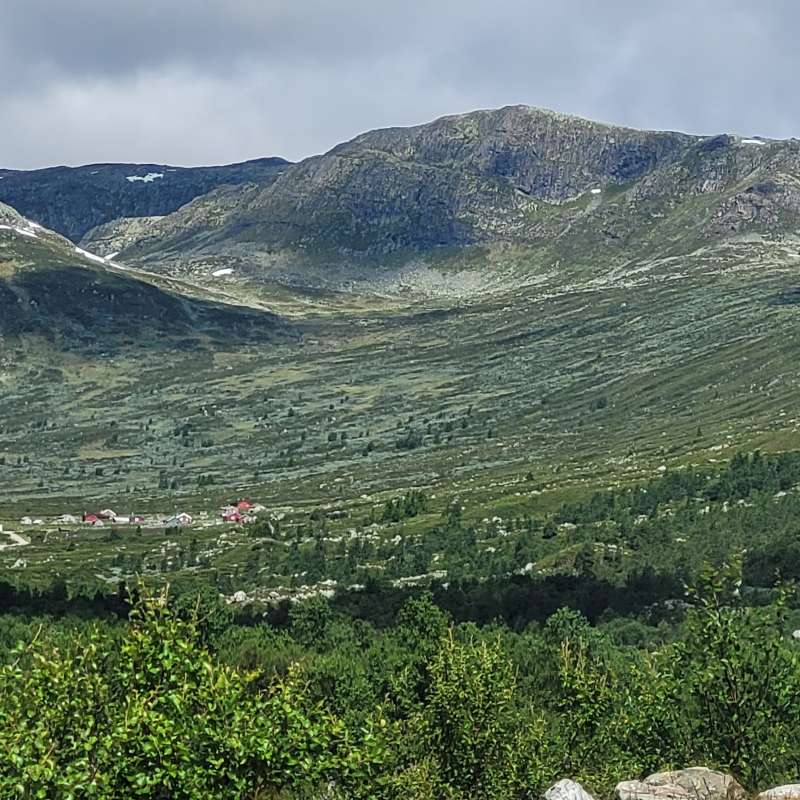
Mitigation and Adaptation in Cultural Heritage Landscapes: Lessons from Transhumant Pastoral Systems for Managing Novel Climate Risks (PastAdapt)
Cultural landscapes provide essential ecological and sociocultural services and contain insights needed to combat climate change, but they are vulnerable to climate change and other stressors. By examining the cultural landscapes of transhumant pastoralism in France, Norway, and Spain, we will detail climate and other threats to this intangible cultural heritage (ICH), the characteristics and factors that create adaptive capacity in these systems, and methods for sustaining ICH through community action and policy.