
Anne-Grete Roer Hjelkrem
Research Scientist
Attachments
CV (januar 2025)Biography
PhD from NMBU with a focus on uncertainty in mathematical models (2010) followed by a PostDoc at NTNU in life cycle analysis (LCA).
My research topics include:
- Development of warning models for decision support in fungal diseases, toxins, pests and weeds
- Development of the NORNE model for prdiction of yield and quality in forage
- Development of a modeling platform for calculating greenhouse gas emissions in agriculture in line with the national emissions account
- Development of a modeling platform for calculating reference pathways and action scenarios
- Environmental analyses (LCA) in food production
Abstract
Web-based decision support systems (DSSs) are essential tools for precision crop protection, guiding farmers and advisors in implementing need-based control measures against pests, diseases, and weeds. These systems rely heavily on weather-driven models, where data accuracy and availability are critical. Leaf wetness is a key factor for infection and reproduction of many fungal plant pathogens, making it an important input in DSSs. However, the availability of leaf wetness data from weather services is variable, leading to the development of numerous estimation models without a universally accepted standard model. This study aimed to develop a robust mathematical model for estimating leaf wetness across diverse European climate zones and to integrate the model for enabling real-time leaf wetness estimates as inputs to web based DSSs. Hourly weather data, including leaf wetness, temperature, precipitation, relative humidity and wind speed were collected from automatic weather stations. Training data came from five Norwegian sites, while testing data covered 17 locations across Europe. Five machine learning based models (decision tree (DT), random forest, K-Nearest neighbour, multi-layer perception, long short-term memory (LSTM)) were trained and their performance compared with five existing empirical models (RH87, RH90, extRH, DPD, CART/SLD) from the literature. LSTM and DT achieved best performance, demonstrating strong robustness across climate zones. The LSTM model, required fewer data inputs and well suited for time-series data, was integrated into a Flask-based service for automatic use in forecasting models within the web-based IPM Decisions DSS platform, thereby enhancing the precision of this DSS.
Authors
Anne-Grete Roer HjelkremAbstract
No abstract has been registered
Abstract
Beitebruk er viktig for ressursutnyttelse, selvforsyning, dyrevelferd og kulturlandskap, og det er et politisk mål å øke beiting. Klimaeffektene av beiting har imidlertid vært lite vektlagt. Rapporten sammenstiller kunnskap om hvordan beitedyr påvirker klima gjennom både klimagassutslipp og endringer i vegetasjon og areal. Effektene varierer betydelig mellom arealtyper, beitetrykk, dyreslag og lokale forhold, noe som gjør det vanskelig å trekke generelle konklusjoner. I klimagassregnskapet er beiting særlig relevant for arealbruksendringer, som avskoging til beite og utslipp fra tidligere drenert myr. Effekter på enterisk metan og utslipp fra husdyrgjødsel er relativt små, selv om enkelte norske studier antyder noe lavere metanutslipp ved godt beite på fulldyrka jord. Biogeofysiske effekter som albedo er lite kartlagt, men kan ha nedkjølende effekt i noen områder. Rapporten peker på to hovedutfordringer: behov for sterkere insentiver til å bruke eksisterende innmarksbeiter fremfor nyrydding, og potensial for mer beiting av melkekyr på fulldyrka jord. Det trengs mer forskning for å bedre beregne effekter av beiting i klimagassregnskapet, særlig knyttet til enterisk metan, jordkarbon og beitetrykk i utmark.
Division of Biotechnology and Plant Health
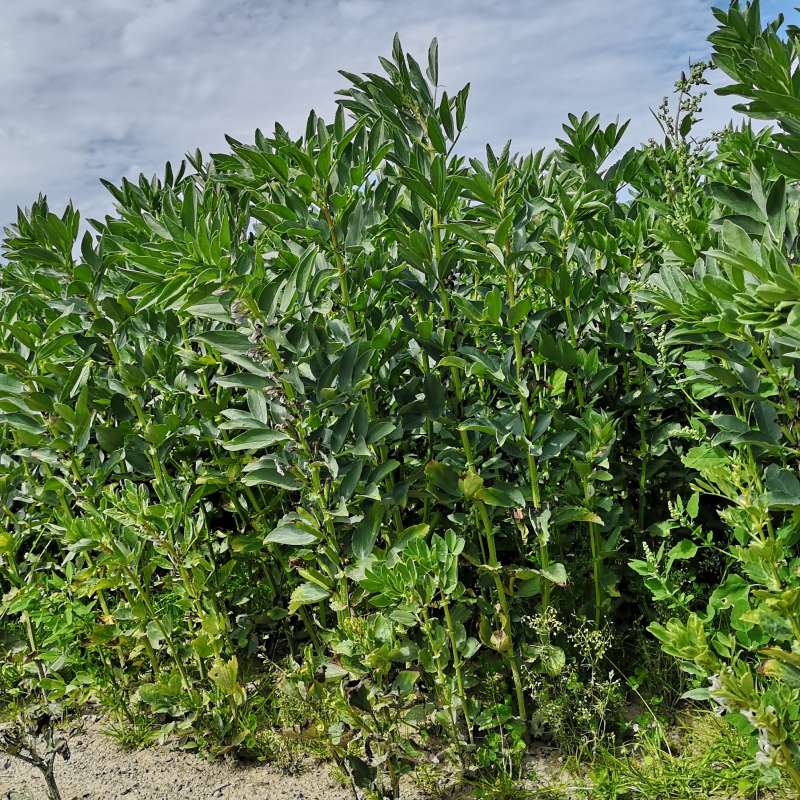
FABANOVA- Climate ready faba beans for the Nordic and Baltic region
The project will lead to improved faba bean lines and knowledge that can lead to higher and more stable protein yields in our challenging environment. NIBIO will develop forecasting tools for chocolate spot epidemics, enabling farmers to protect their crops.
Division of Biotechnology and Plant Health
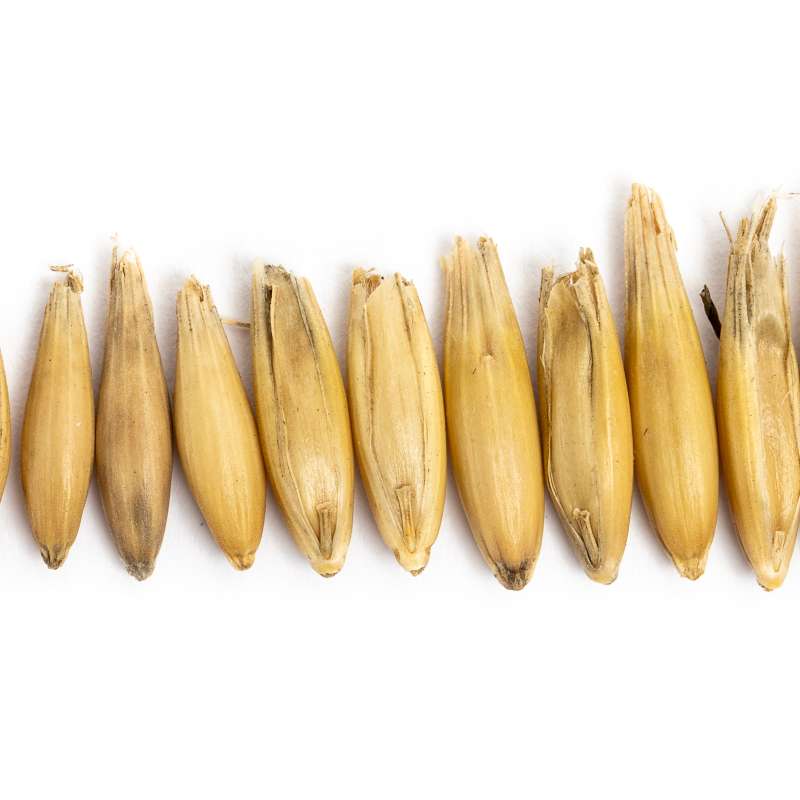
Diversity Oats - A more sustainable Norwegian oat industry by increased genetic diversity and diversified food products
Division of Biotechnology and Plant Health
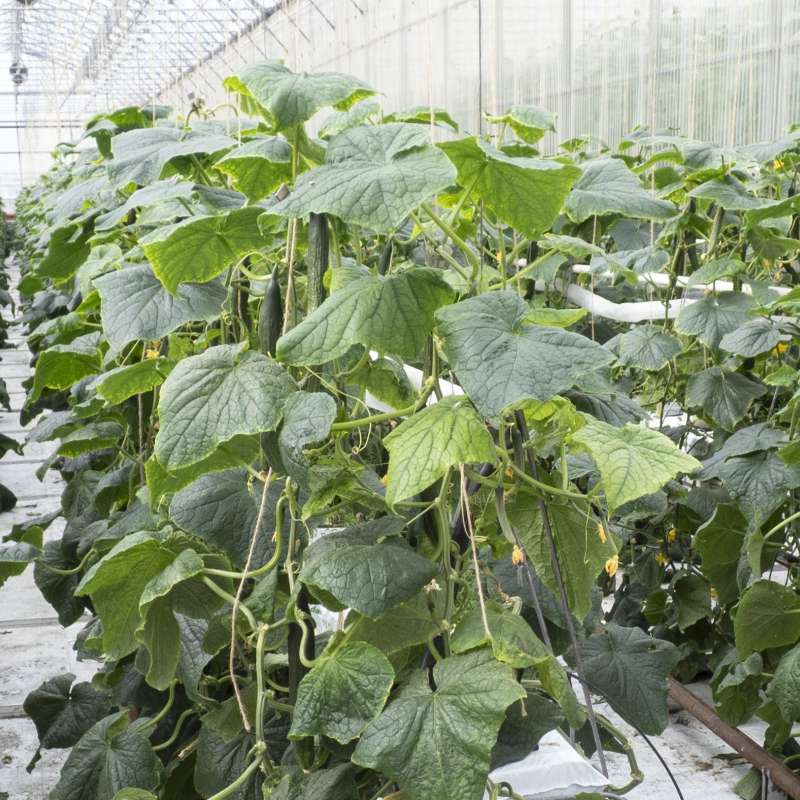
HealthyCucumber: Sustainable plant health management in modern greenhouse cucumber production
The HealthyCucumber project aims to find plant health solutions for challenges related to modern greenhouse production of cucumber in Norway.