
Grete Stokstad
Seniorrådgiver
(+47) 902 32 549
grete.stokstad@nibio.no
Sted
Ås - Bygg O43
Besøksadresse
Oluf Thesens vei 43, 1433 Ås (Varelevering: Elizabeth Stephansens vei 21)
Sammendrag
KRONIKK: Nå diskuterer vi igjen økt matproduksjon, økt effektivitet i landbruket og behovet for økt selvforsyning. Da er det grunn til å minne om erfaringene fra tidligere perioder med intensivering i denne næringa.
Sammendrag
Det er ikke registrert sammendrag
Sammendrag
Det er ikke registrert sammendrag
Divisjon for kart og statistikk
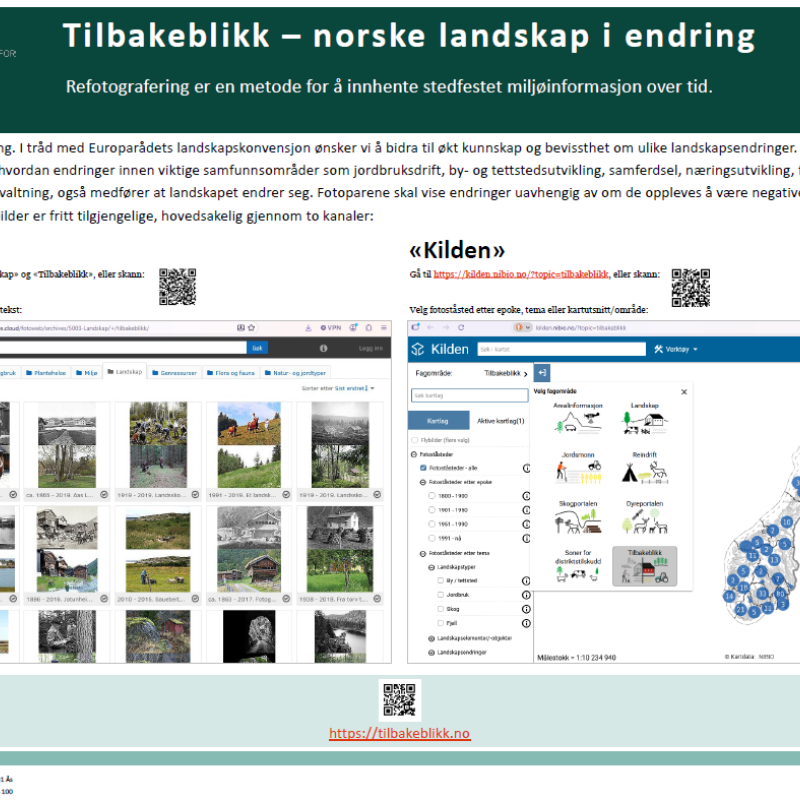
Tilbakeblikk
NIBIO har fått midler fra Sparebankstiftelsen DNB til å gjøre fotopar lett tilgjengelige og søkbare på internett, til bruk i for eksempel skoleoppgaver. Dette skjer gjennom NIBIOs fotoarkiv og kartportalen Kilden.
.jpg?quality=60)
Divisjon for matproduksjon og samfunn
Cultivating sustainable changes in livestock feed production and feeding practices (Feed&Feeding)
The project will evaluate various strategies for feed production and feeding practices to enhance the sustainability of Norway's food system and support national agricultural policy goals. These strategies include adjusting livestock diets, improving breeding and animal health, and introducing new protein sources for feed. The project will assess environmental impacts, such as land use changes, greenhouse gas emissions, soil carbon levels, nutrient balances, and biodiversity, as well as socioeconomic impacts, including food security, economic and social sustainability, and the viability of rural communities.