Black nightshade causing major problems for Norwegian vegetable production
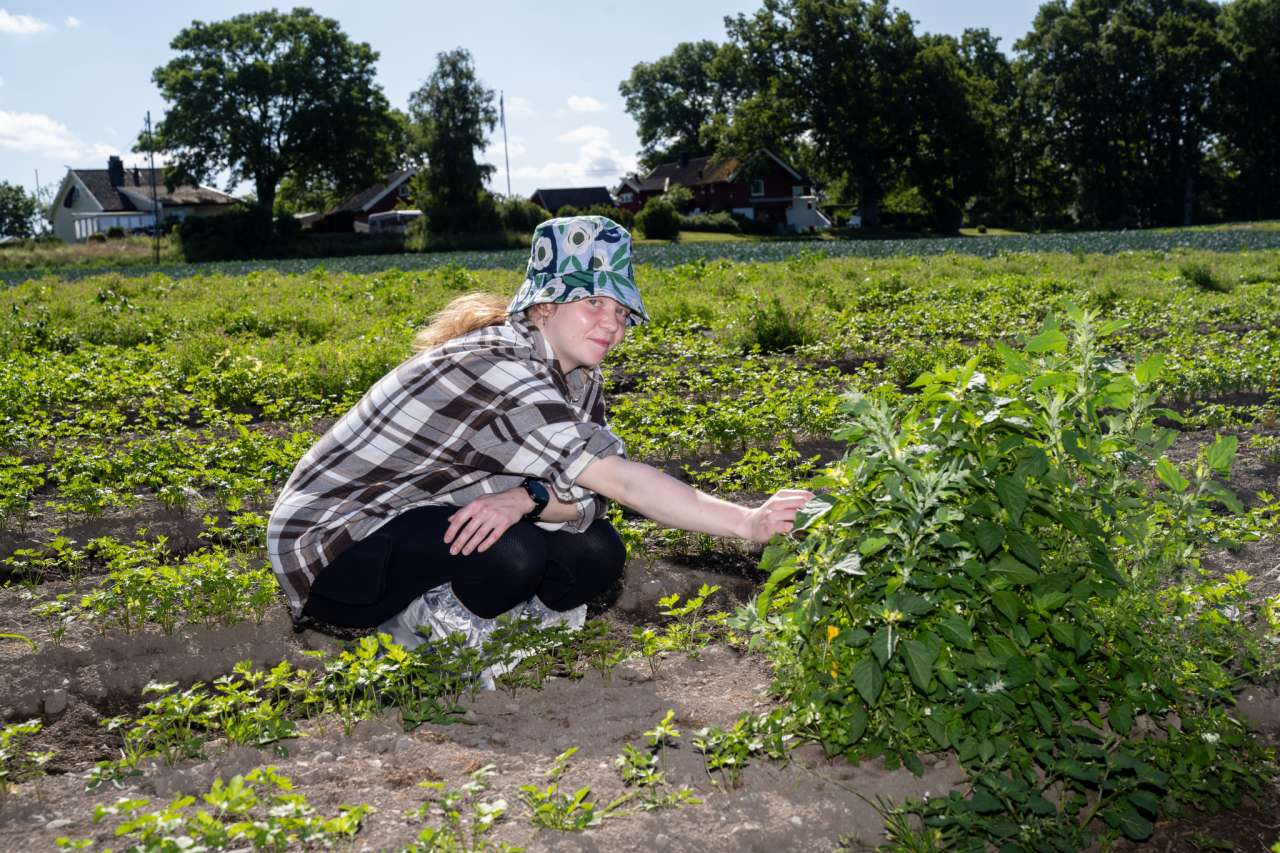
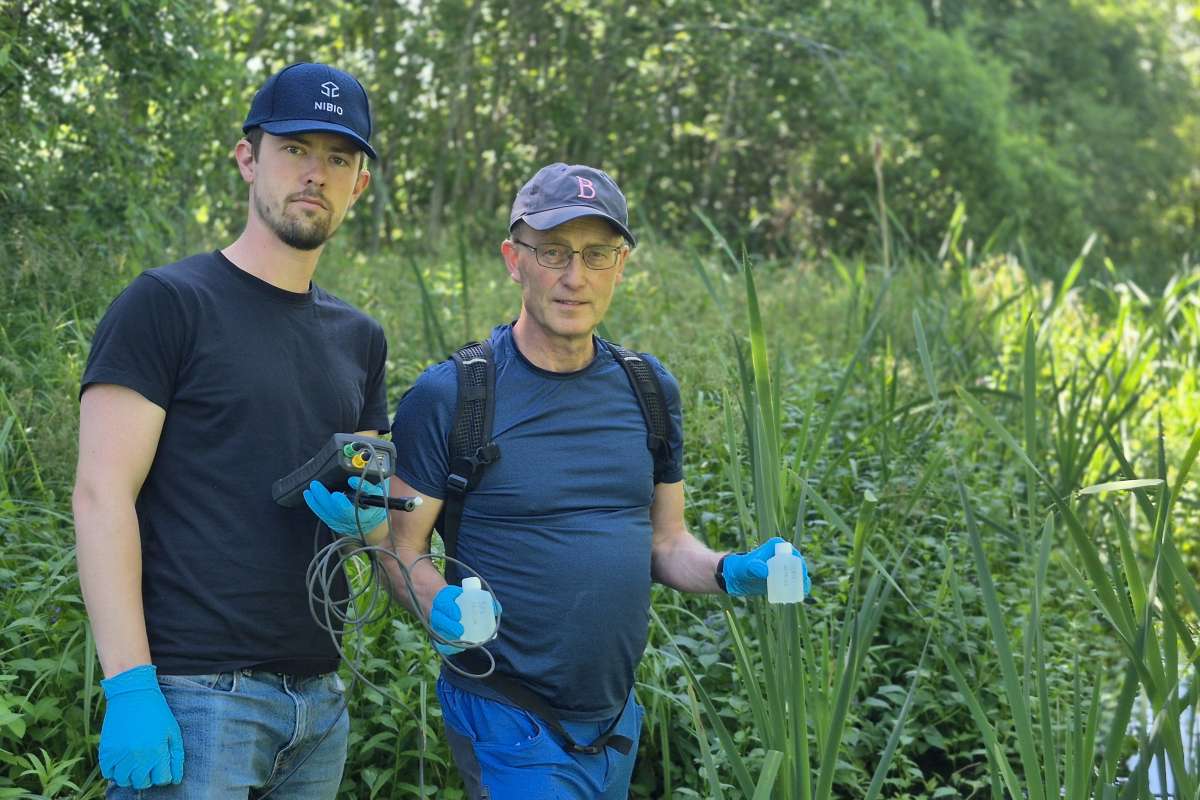
PhD fellow Lovisa Ek Hansson will spend the next three years studying the biology and development of nightshade species in Norwegian agricultural fields. Photo: Erling Fløistad
Nightshade weed species are becoming an increasing challenge for Norwegian potato and vegetable growers. NIBIO and several partners have now launched the research project SOLWeeds, which aims to develop new weed management strategies and reduce production costs for growers.
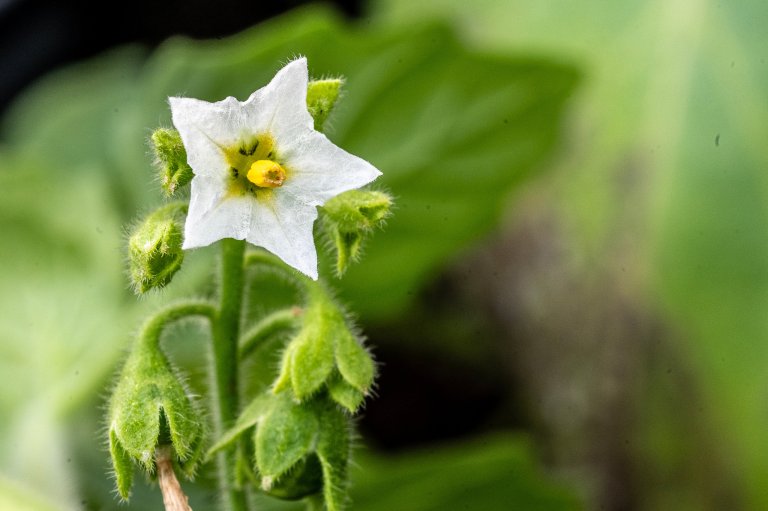
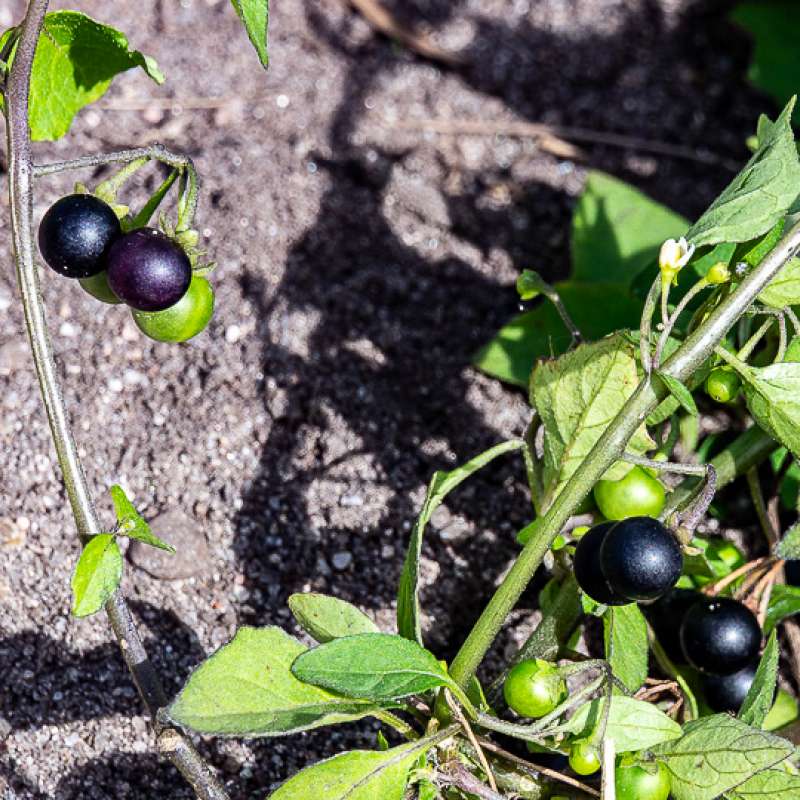
Black nightshade (Solanum nigrum L.) is an alien species in Norway. Until around 1970, it was not considered a serious weed problem. However, over the past 50 years, the species has become an increasingly common weed in vegetable and potato production, particularly in root crops such as carrots.
Since the turn of the millennium, problems caused by black nightshade—and later also by other nightshade species—have continued to increase. Today, the greatest challenges are associated with black nightshade (Solanum nigrum L.) and hairy nightshade (Solanum physalifolium Rusby).
Why nightshade weeds are difficult to control
Nightshade species produce berries containing large numbers of seeds. The seeds survive passage through birds' digestive systems and therefore spread easily to new areas. Once established in a field, the seeds remain viable in the soil for many years. This means that the nightshade problem does not disappear on its own.
According to the Norwegian Agricultural Extension Service (NLR), between 67 and 87 per cent of vegetable growers in southeastern Norway now have nightshade infestations in their fields.
"One reason nightshade species are particularly difficult to control is that they germinate late in the season," explains NIBIO researcher Kirsten Tørresen.
"Early weed control, which is effective against many other weeds, therefore has limited impact. In addition, several herbicides that previously provided good control of nightshade are no longer approved."
New project aims to find solutions
Tørresen is project leader for a new research project that started in February and will run for four years.
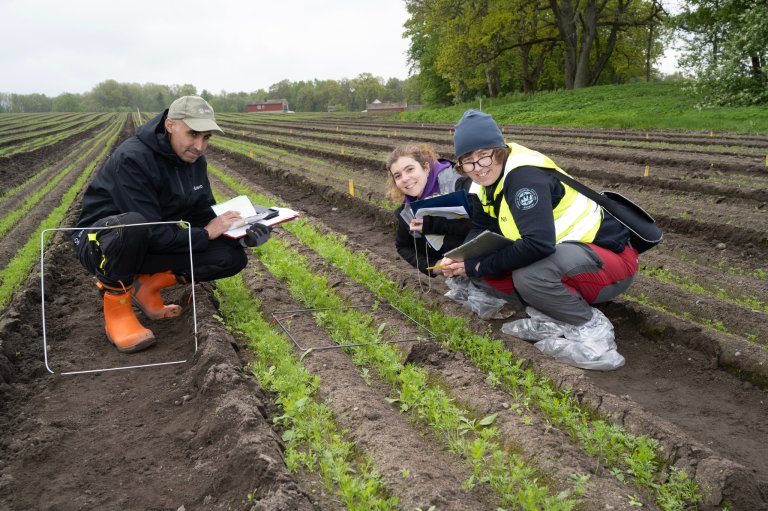
The SOLWeeds project aims to develop effective solutions based on both direct and preventive measures. Field trials will investigate strategies such as crop rotation, stale seedbeds, cover crops, non-chemical control methods and herbicide use.
In vegetable crops, the project will also test a robot that applies herbicides only to the weeds leaves.
"Our goal is to develop methods that make nightshade weeds easier to control. This will increase yields and improve profitability for growers," says Tørresen.
Field trials have already started in Østfold County (potatoes, carrots and parsnips) and in Agder County (potatoes).
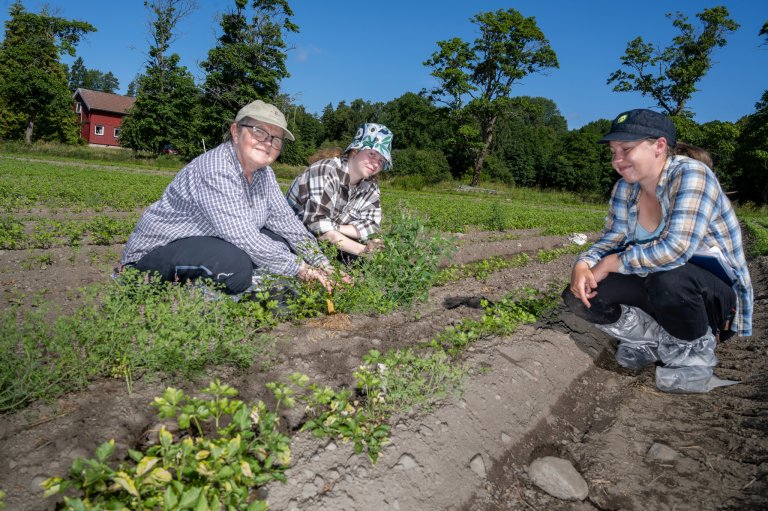
"We have also recruited a PhD student, Lovisa Ek Hansson, who will spend the next three years studying the biology and development of nightshade species in Norwegian fields," says Tørresen.
Advisers from the Norwegian Agricultural Extension Service report that several growers have already abandoned fields or stopped renting land heavily infested with nightshade. The cost of manual weeding has become so high that production is no longer profitable. Early carrots and potatoes grown under plastic covers are particularly vulnerable.
"Nightshade is therefore not only an agronomic challenge. It is also an economic and structural challenge for Norwegian food production," says Tørresen.
Contacts
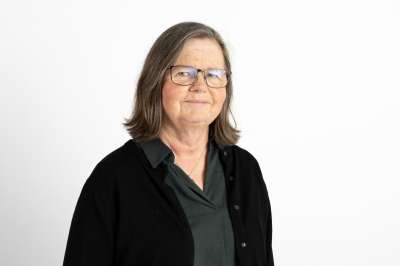
Kirsten Tørresen
Research Scientist
-
Division of Biotechnology and Plant Health
(+47) 971 80 114 kirsten.torresen@nibio.no Office Location: Ås H7
Facts about SOLWeeds
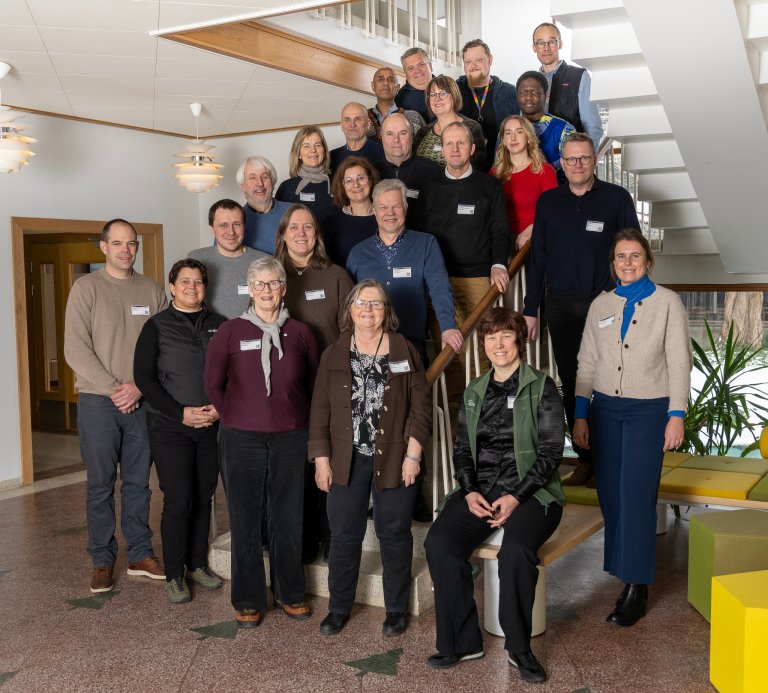
SOLWeeds is a four-year collaborative research project involving NIBIO (project owner), the Norwegian University of Life Sciences (NMBU), Luke (Finland), Aarhus University (Denmark), the Norwegian Agricultural Extension Service (NLR), growers and industry partners.
SOLWeeds is funded by the Norwegian Research Funding for Agriculture and Food Industry, Grofondet, NLR, growers and other industry partners.


Contacts
Kirsten Tørresen
Research Scientist
-
Division of Biotechnology and Plant Health
(+47) 971 80 114 kirsten.torresen@nibio.no Office Location: Ås H7
_Andrea_spr%C3%B8yte_eplekvalitet_cropped.png?quality=60)