Rare orchids find new homes in Telemark
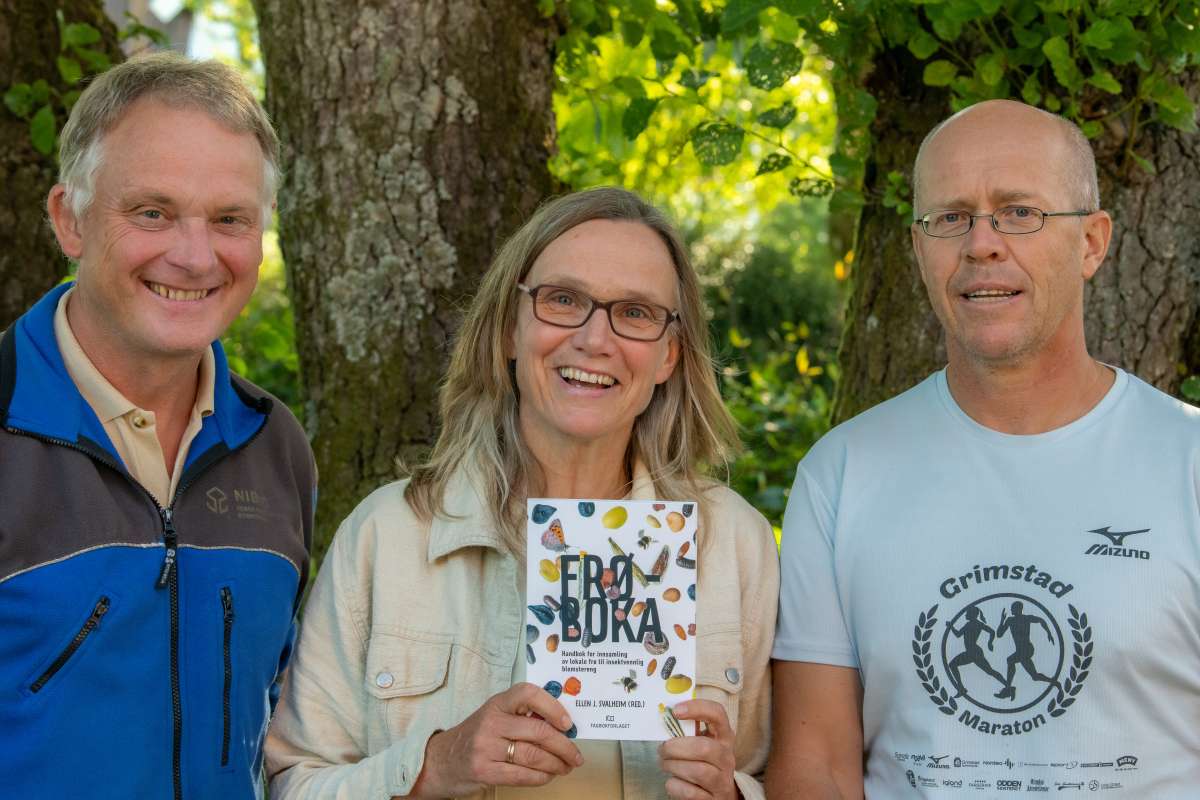
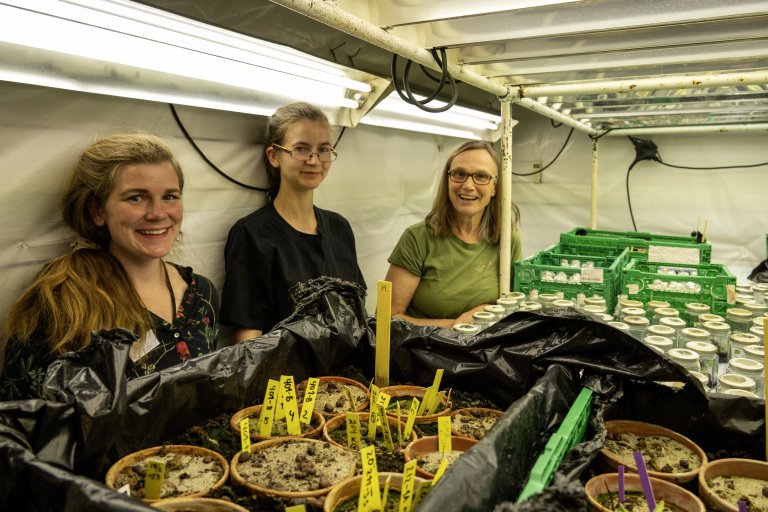
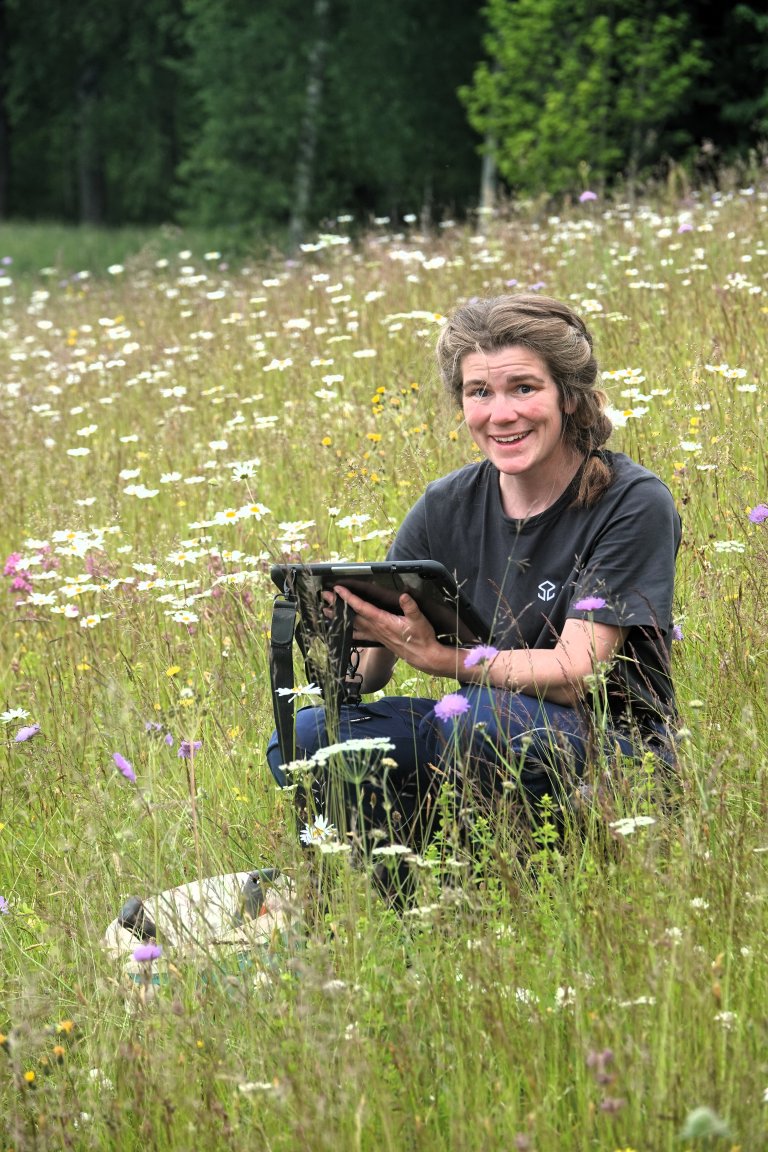
Orchid expert Svante Malmgren, researcher Ellen Svalheim and senior adviser Trond Eirik Silsand from the County Governor of Vestfold and Telemark. Photo: Morten Günther
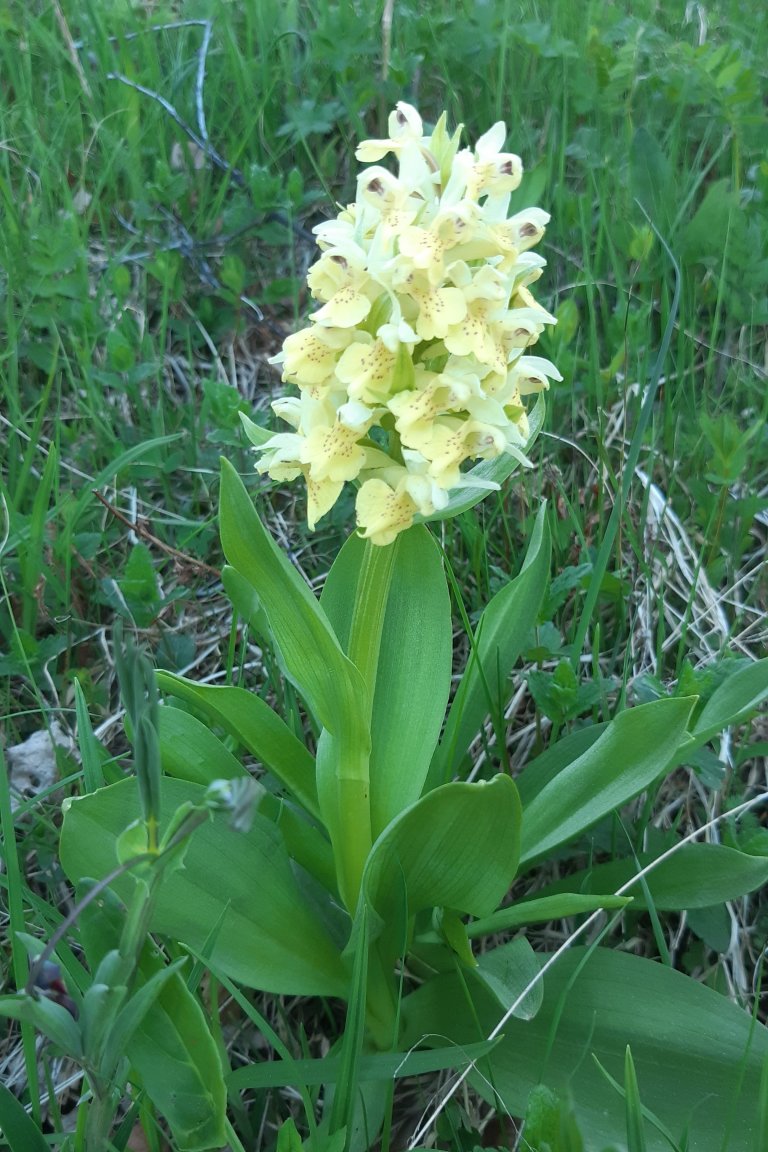
This summer, several hundred laboratory-grown elder-flowered orchid (Dactylorhiza sambucina) plants will be introduced into traditionally managed hay meadows in Telemark, southeastern Norway. Twelve landowners have volunteered to act as "foster families" for the rare orchids as part of an ambitious conservation project that combines advanced laboratory propagation with traditional management of species-rich cultural landscapes.
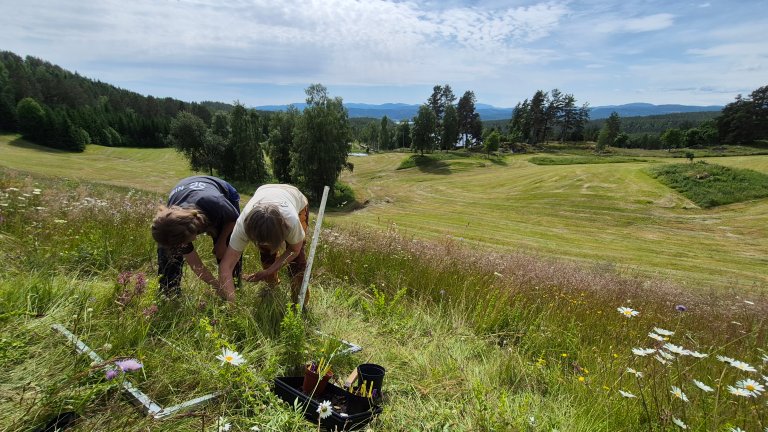
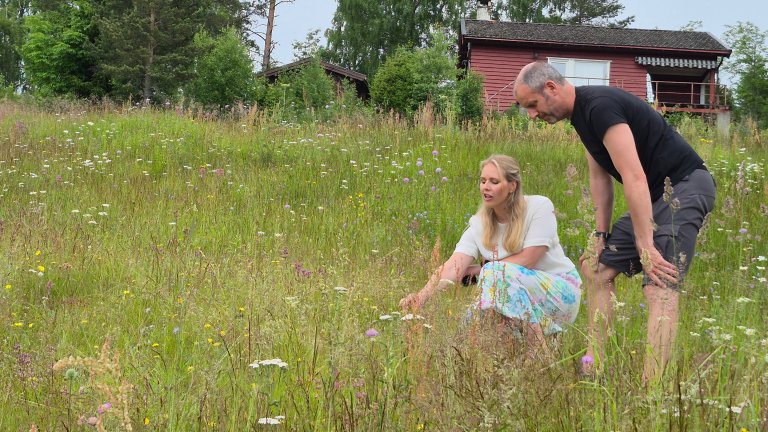
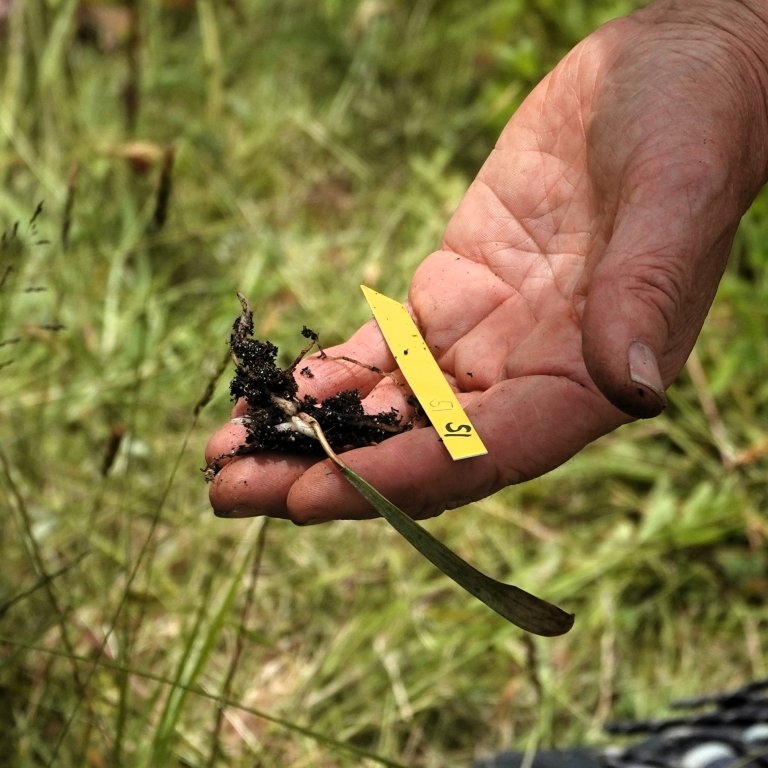
In a steep hay meadow, a one-by-one-metre aluminium frame divided into 20 squares marks today's planting site. Each square will receive a single orchid. Although the plants have spent four years growing under laboratory conditions, they are still only a few centimetres tall.
Across Telemark County, between 400 and 500 orchids will be planted at twelve carefully selected sites. At Bolkesjø Gaard, near Notodden, NIBIO researcher Ellen Svalheim and research engineer Kristine R. Sundsdal are carrying out today's planting. The orchids originate from seeds collected in semi-natural hay meadows in the neighbouring municipality of Hjartdal.
"Artificial propagation of orchids takes time. They grow extremely slowly, so they are only ready for planting after four years," says Svalheim.
Strengthening threatened populations
The project is an example of conservation translocation, more specifically conservation reinforcement, where threatened species are introduced to strengthen existing populations or restore them to sites where they have disappeared.
The orchids are being planted in privately owned hay meadows in the municipalities of Hjartdal, Seljord, Tinn, Kviteseid and Notodden in Telemark County. All sites are managed under the Norwegian Environment Agency's Action Plan for Hay Meadows and follow site-specific management plans that combine ecological expertise with traditional land management practices.
"The participating landowners already manage their meadows through traditional mowing. They are committed to biodiversity and understand how important it is to maintain these valuable cultural landscapes," says Svalheim.
Why orchids are so difficult to grow
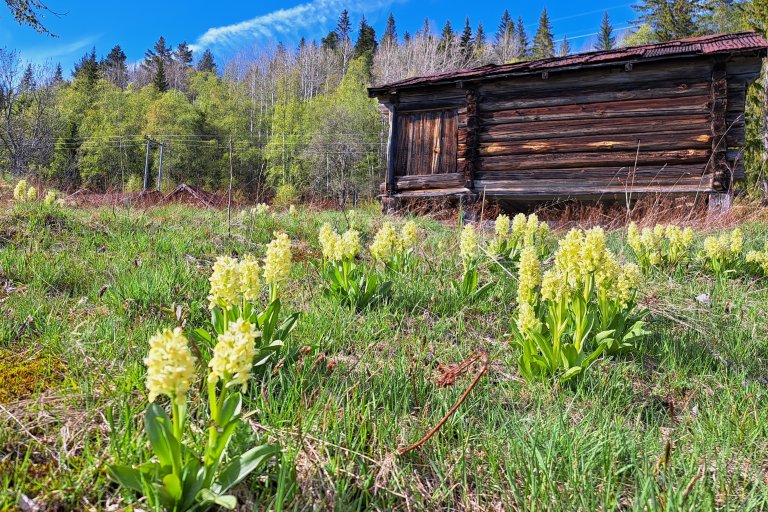
Many of Norway's rare orchid species depend on long-established semi-natural grasslands maintained through traditional agricultural practices and have highly specialised ecological requirements."They are extremely selective when it comes to habitat and reproduction. Finding these orchids in the wild is a strong indication that the habitat is of very high ecological quality," Svalheim explains.
Those same characteristics make them exceptionally difficult to conserve.
Unlike most plants, orchid seeds contain almost no nutrient reserves. Instead, they depend on symbiotic fungi in the soil to provide the nutrients needed for germination. Researchers still know surprisingly little about which fungi are involved and how these relationships develop.
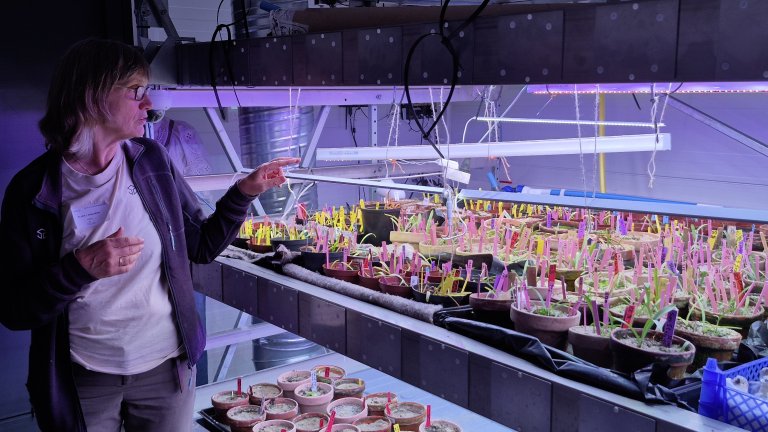
The breakthrough came when NIBIO partnered with Swedish orchid expert Svante Malmgren, who developed an asymbiotic in vitro propagation method that bypasses the need for the natural fungus-plant interaction. Under sterile laboratory conditions, the seeds are grown on specially formulated nutrient media that replace the role of the fungi. Researchers must also break seed dormancy by carefully weakening the seed coat before germination can begin.
A lifetime devoted to orchids
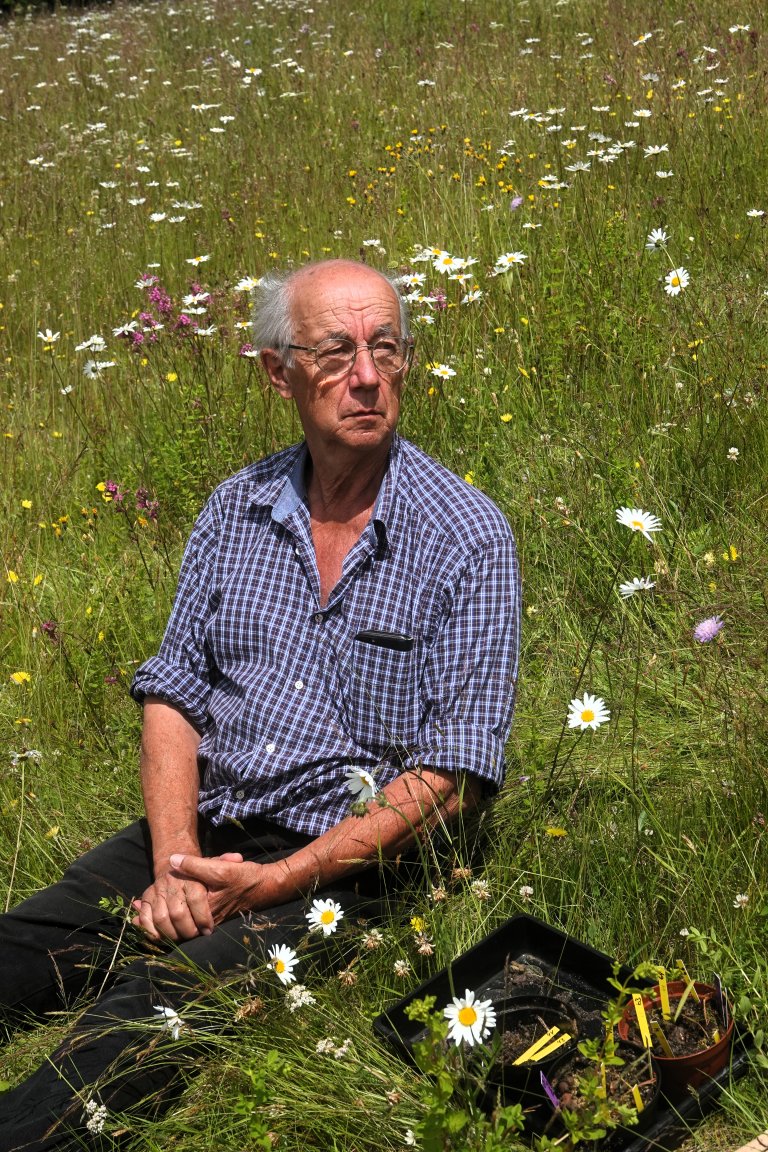
The propagation methods used in the project were developed by Svante Malmgren, a retired surgeon from Falköping, Sweden, who is widely recognised as one of Europe's leading experts on the propagation of native orchids.
"Large laboratories in Europe propagate orchids commercially, but I developed the methods for many of our European species," says Malmgren.
His fascination with plants began in early childhood.
"I started planting seeds simply to see what would grow. Later I became interested in orchids. Tropical species could already be propagated successfully, but almost nobody had tried our European orchids. I thought it should be possible—and that's how it all began."
Over the years, he has attempted to propagate well over 250 orchid species.
.jpg)
Building on success
According to Svalheim, the elder-flowered orchid (Dactylorhiza sambucina) is among the most challenging Dactylorhiza species to propagate.
"The learning curve has been incredibly steep. We've made almost every mistake possible, and we would never have succeeded without outside help."
In the wild, only a tiny fraction of orchid seeds germinate. In this project, researchers achieved a germination rate of 30–40 per cent.
The experience has encouraged NIBIO to expand its work to other threatened orchids. Researchers at Landvik are already propagating two critically endangered species that survive at only a handful of locations in southern Norway.
Norway has around 35 native orchid species, and 24 of them are included on the Norwegian Red List for Species.
Now nature takes over
The researchers have installed data loggers to monitor air temperature, soil temperature and moisture at each planting site.
Next year they will return to assess survival and growth.
"If we're lucky, some plants may flower as early as next spring, but it could also take several years," says Svalheim.
The orchids have spent four years making the journey from laboratory to meadow. From now on, their future lies in nature's hands.
Contacts

Ellen Johanne Svalheim
Research Scientist
-
Division of Food Production and Society
(+47) 452 10 350 ellen.svalheim@nibio.no Office Location: Landvik
A perfect match
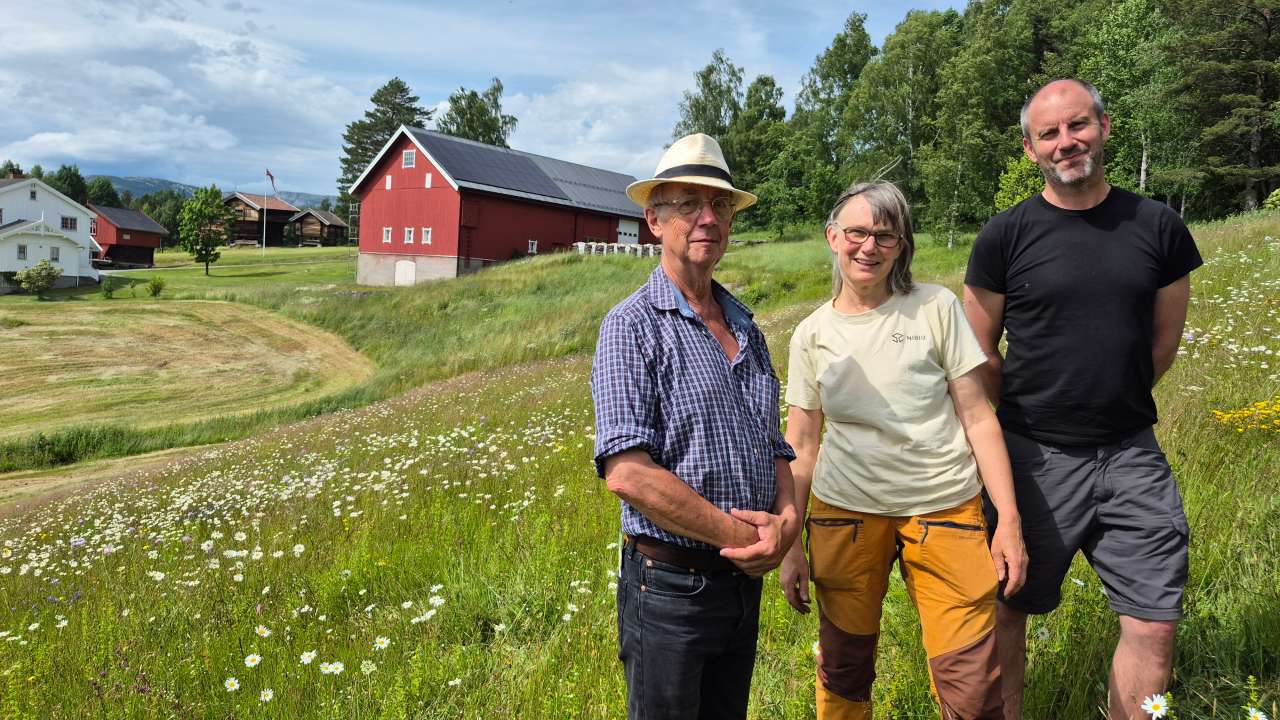
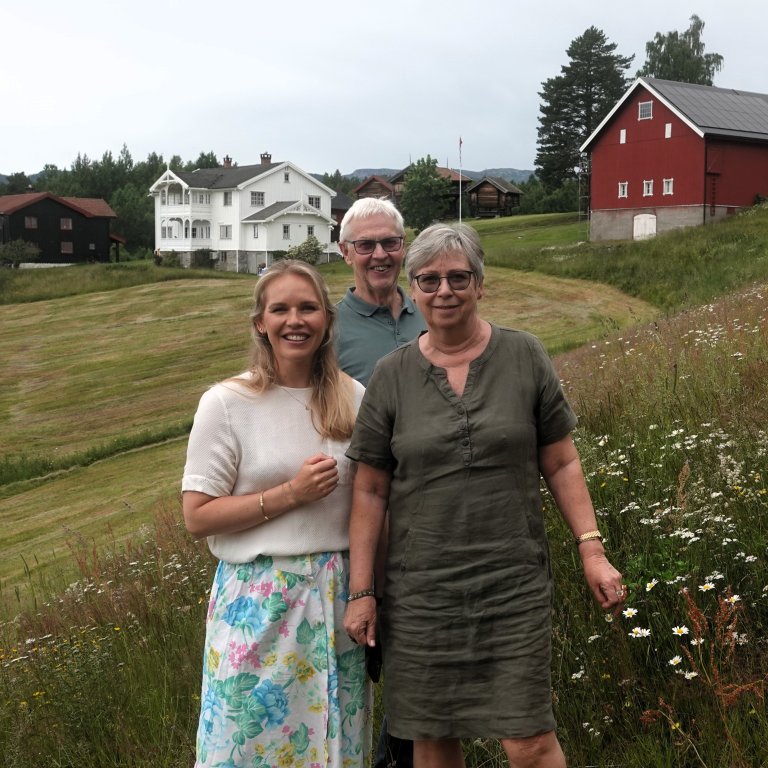
Anne Rokne Bolkesjø, owner of Bolkesjø Gaard, is delighted to be part of the project.
"We've spent many years managing these hay meadows, so it's wonderful to contribute to something that's also pioneering conservation work. We hope the orchids will thrive here."
The family has long been committed to biodiversity and recently restored additional land for grazing after years of abandonment.
"Everything we do is built around three values: cultural heritage, nature and personal hospitality. That's why this project fits perfectly with what we want to achieve," she says.
Project facts
The NIBIO project “In vitro propagation of threatened orchids” is part of the Norwegian Environment Agency’s conservation translocation programme for threatened species. As part of this initiative, hay meadows included in the Action Plan for Hay Meadows serve as recipient sites for threatened species.
This approach ensures that the orchids are introduced into suitable habitats where annual management is carried out by committed landowners according to specially developed management plans.
The orchid project has received funding from the County Governor of Vestfold and Telemark and from NIBIO. In 2026, the project is funded through research and development grants from the Norwegian Environment Agency.
Species-rich hay meadows are designated as a selected habitat type in Norway and receive protection under the Nature Diversity Act.
At NIBIO Landvik, researchers are currently propagating the following orchid species:
- Elder-flowered orchid (Dactylorhiza sambucina) – Vulnerable (VU)
- Musk orchid (Herminium monorchis) – Critically Endangered (CR)
- Green-winged orchid (Anacamptis morio) – Critically Endangered (CR)
Contacts
Ellen Johanne Svalheim
Research Scientist
-
Division of Food Production and Society
(+47) 452 10 350 ellen.svalheim@nibio.no Office Location: Landvik
_Andrea_spr%C3%B8yte_eplekvalitet_cropped.png?quality=60)