Researchers agree: Regulations are hindering biological plant protection products
_Andrea_spr%C3%B8yte_eplekvalitet_cropped.png?quality=60)
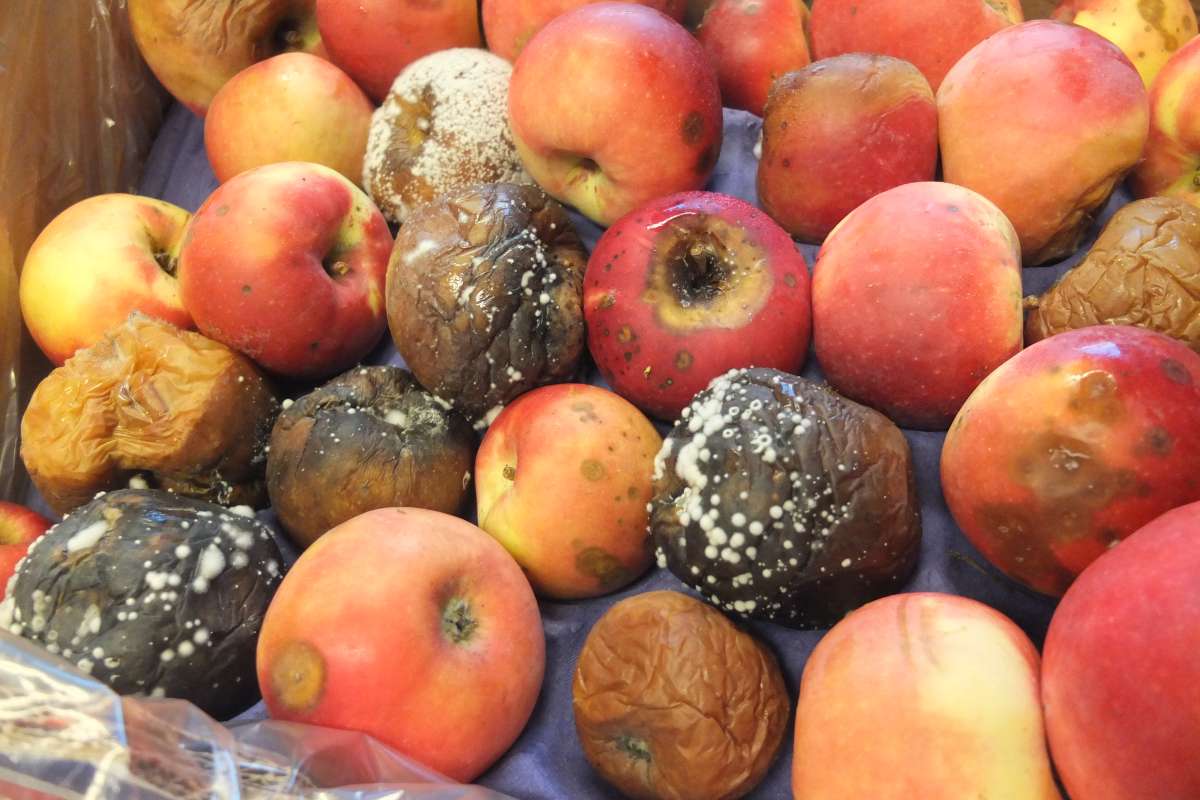
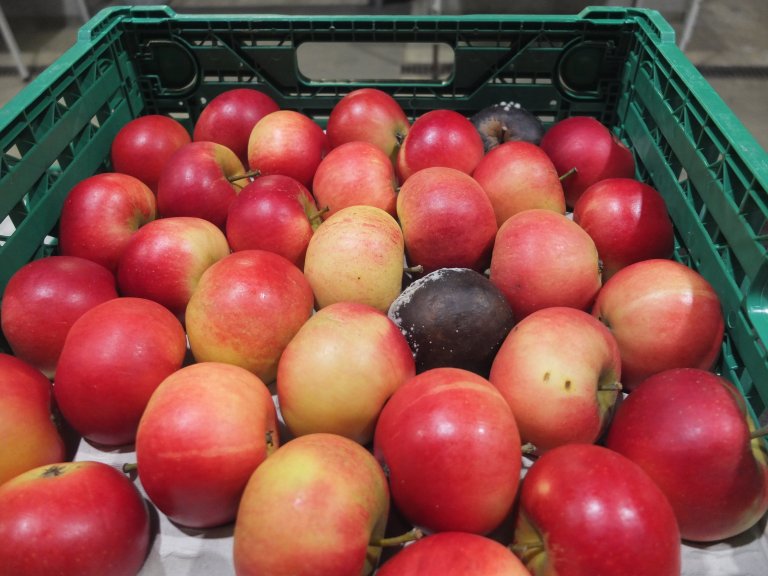
With biological plant protection, fruit and vegetables may have more cosmetic blemishes. Andrea Podavkova shows an apple (right) bearing marks from insect feeding, which are completely harmless to consumers. Photo: Trude Magnussen / AI-generated.
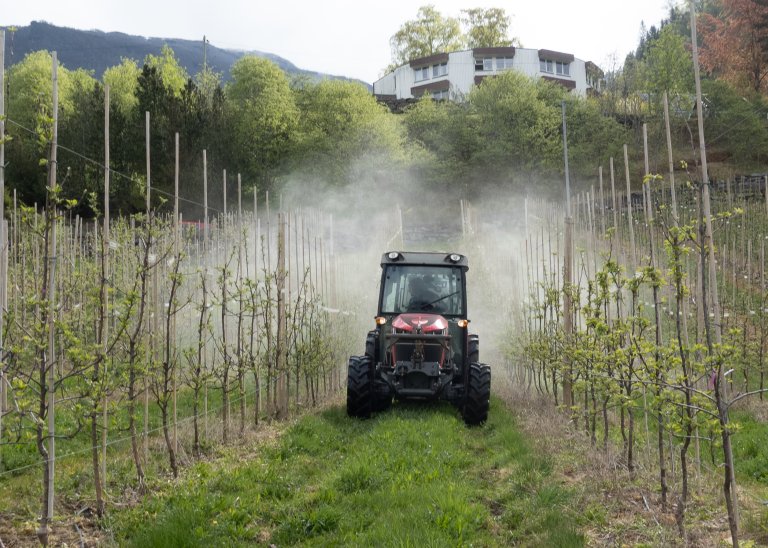
Despite promising research results, it can take up to ten years to obtain approval for biological plant protection products in the EU. Researchers experience that current regulations are designed for synthetic products and prevent new biological alternatives from reaching the market.
Stricter requirements for health and the environment have made it more difficult to get approval for new plant protection products. This applies not only to synthetic products, but also to biological alternatives based on natural substances and microorganisms. Despite promising results, only a few of these products reach the market in the EU.
Regulations block promising solutions
In May this year, NIBIO hosted a large international conference in Lofthus in Hardanger. The topic of the conference was post-harvest diseases in fruit and vegetables. More than 100 researchers gathered under the auspices of the International Society for Horticultural Science (ISHS).
One of the participants at the conference was researcher Neus Teixidò from the Institute of Agrifood Research and Technology (IRTA) in Spain.
Her team has been working on biocontrol agents development for more than 30 years and completely developed 6 biocontrol agents, but none of them are commecialized.
“We have tried everything, she says.
“We have patented our biocontrol agents and have made sure that our institute has the allowances that are needed. We have tried to transfer the rights to commercial companies. “We have developed biocontrol products by companies’ demand. We have cooperated with many different companies, but we have not been successful at a commercial level. At the same time we are proud to have generated important knowledge that is published and could be used.
There are several barriers in the system that prevent products, or combinations of products with proven effectiveness, from reaching those who need them. The challenge is particularly significant for post-harvest products, as this is a smaller market.
Norway depends on the EU
NIBIO researcher Jorunn Børve studies fruit diseases, both before and after harvest. She is also concerned about the challenges related to the approval of new products.
“Generally, the challenges are even greater in Norway than in the EU because our market is so small. Getting a product approved solely for use in Norway is almost impossible, as it is unlikely to be profitable for the manufacturer,” Børve explains.
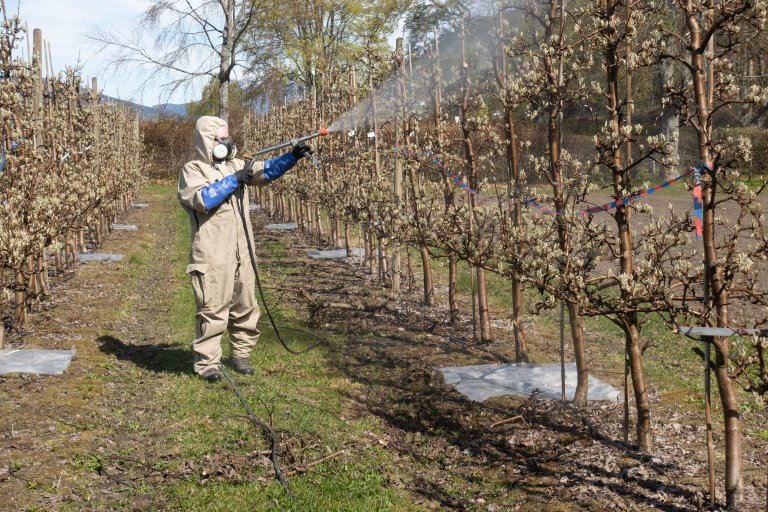
“The entire approval system in the EU is tailored to synthetic plant protection products. A substance is applied to a plant in a known concentration at specific times, and then it is measured whether residues remain in the product at harvest. Biological products can be different. They may be a combination of several substances or microorganisms, and they may be based on something already present on the plant or something intended to establish itself on the plant. This makes it more complicated to carry out all the tests required under EU regulations,” she explains further.
The effect of each individual biological product is usually smaller than that of synthetic plant protection products. Therefore, they are often recommended to be used together with other measures, as an alternative to some synthetic spraying. In addition, several biological products are often used in combination. When multiple products are used, each one must be approved, and each requires extensive documentation. Many of the tests required by the EU are not relevant for biocontrol agents, yet they are still mandatory. The current system is therefore poorly adapted to approving these types of products.
Ten years for approval
The difficult approval process affects market profitability and has become a bottleneck. Simply put, it is difficult to make biological plant protection products commercially viable. A representative from the industry at the ISHS conference described her company’s experience:
“As things stand now, it takes ten years and costs 2 million euros to get a product approved. It will take at least ten years to earn that back. The risk is too high.”
“Biological products often have a narrower range of effects, and they can be more sensitive to temperature and other environmental conditions than synthetic products. If they are not used correctly, they are ineffective and customers become dissatisfied,” Børve adds.
“It is especially important that these products are thoroughly tested in practice,” she emphasises.
Looking to Brazil
The situation is not equally complex in all countries. Brazil is an example of a system where approval processes can be much faster without compromising safety.
“Biological products can also have negative effects on health and the environment. Therefore, a control system is important. In Brazil, they have established a separate system for biocontrol products tailored to the specific challenges they present. It now takes one to two years to get such a product through the system in Brazil, compared to ten years in the EU.”
Brazil has approved far more biological plant protection products than the EU.
“Many researchers believe that the EU needs to do something similar. We need a larger toolbox. If biological plant protection products are to become a real alternative in European agriculture, many researchers believe that the EU must develop a separate approval system for these products,” Børve says.
Contacts
Jorunn Børve
Research Scientist
-
Division of Biotechnology and Plant Health
(+47) 958 78 057 jorunn.borve@nibio.no Office Location: Ullensvang
VIII International Symposium on Postharvest Pathology, Ullensvang, Norway, May 18-22, 2026
In May this year, NIBIO, led by researcher Jorunn Børve, hosted a major international conference on post-harvest diseases in plant products. The conference was organised by the International Society for Horticultural Science (ISHS). More than 100 researchers gathered to share research and discuss the way forward.
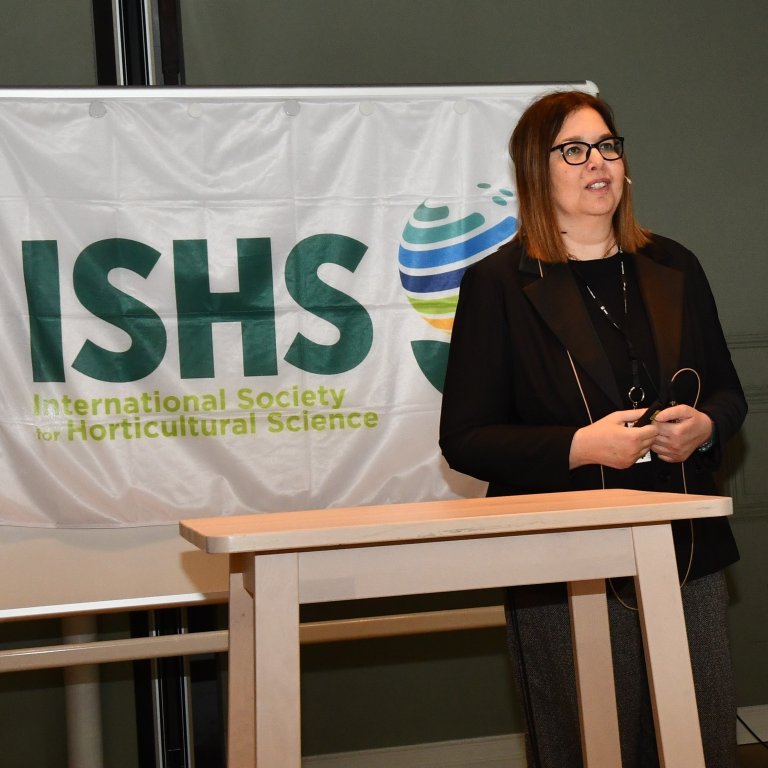
"Alternative postharvest solutions differ from conventional ones in that they do not generally rely on rapid, single-action toxicity, but instead on multiple, interacting modes of action that might require combined application with other measures to achieve a control extent comparable to that of conventional ones. At the same time, their development and adoption are driven by increasing progressive restrictions on conventional postharvest chemicals due to environmental and human health concerns. As a result, postharvest management is progressively shifting toward knowledge-intensive, multiple-hurdle approaches aligned with Integrated Pest Management principles, where effectiveness is defined by risk reduction and system robustness. This transition also requires a change in expectations among producers and stakeholders regarding speed, simplicity, and application strategies," she explains. Photo: Hege Ulfeng, NIBIO
Contacts
Jorunn Børve
Research Scientist
-
Division of Biotechnology and Plant Health
(+47) 958 78 057 jorunn.borve@nibio.no Office Location: Ullensvang