
Matthias Koesling
Forsker
(+47) 943 74 616
matthias.koesling@nibio.no
Sted
Tingvoll
Besøksadresse
Gunnars veg 6, 6630 Tingvoll
Biografi
- Livsløpsanalyse (Life Cycle Assessment - LCA)
- Melkeproduksjon
- Sauehold
- Fôrvekster og korn
- Makroalgedyrking
- inkludering av maskiner og bygninger
- innføring i LCA for studenter og elever
- FARMnor (Flow Analysis and Resource Management): vedlikehold og videreutvikling av LCA-modellen
- Klimagassutslipp ved bruk av GWP, GWP* og GTP; vanligvis for en 100-års horisont
- Kombinasjon av LCA og økonomisk analyse
- Økologisk produksjon
- Spørreundersøkelser; kvantitativ og kvalitativ
- Forsøksarbeid; korn og fôrvekster; sorter, gjødsling, urasregulering
- Dr. agr. (Doctor of Agricultural Sciences) ved fakultetet for økologisk landbruk, Universität Kassel (2017).
- Diplom-Agraringenieur (tilsvarer master of science) ved fakultetet for landbruk og ernæring, Christian Albrechts Universität Kiel (1993).
- Fagbrev som agronom, ved Landwirtschaftskammer Schleswig-Holstein (1986).
Medlem:
Medlem av EGTOP (Expert group for technical advice on organic production) for EU-kommisjonen under direktoratet for landbruk og distriktsutvikling siden 2022.
Forfattere
L. Llonch M. Ruiz-Colmenero Matthias Koesling M. Terré J. Cucurull M. Verdú C. Medinyà J. Riera S. Martí M DevantSammendrag
Palm oil is a commonly used dietary fat source in European dairy beef production, but concerns about deforestation associated with its cultivation have stimulated interest in alternative fat sources with the potential to mitigate enteric methane emissions and reduce the carbon footprint of beef production. Oils richer in polyunsaturated fatty acids have been suggested as promising alternatives due to their potential to modify rumen fermentation. The present study aimed to evaluate the dietary substitution of palm oil with sunflower oil, which is rich in polyunsaturated fatty acids, on animal performance, enteric methane emissions, and environmental footprint. Ninety-four crossbred bulls (399 ± 9.3 kg BW and 271 ± 4.0 days of age) were allocated into six pens and fed concentrate and straw separately, both ad libitum. Treatments were based on the fat source of the concentrates: (1) CTR (n = 46), with 3.50% palm oil on a weight basis as control; and (2) SUN (n = 48), with 3.50% sunflower oil. The study lasted 42 days. Individual feed intake was recorded daily. Bulls were weighed every two weeks. Enteric emissions (CH4, CO2, and O2) were recorded daily with a “sniffer” measurement system installed in each concentrate feeder per pen. Daily CH4 production (L/day) was estimated based on Madsen et al. (2010). Data were analysed using a mixed-effects model. The environmental impact of the two diets was evaluated with the life cycle assessment methodology. No differences in average daily weight gain were observed between dietary oil sources (1.83 vs 1.85 ± 0.141 kg/day, P = 0.87; CTR vs SUN, respectively) and concentrate intake (7.48 vs 7.48 ± 0.420 kg DM/day, P = 1.00; CTR vs SUN). A treatment × period interaction (P < 0.05) with no clear pattern was observed in most of the enteric CH4 emissions data. Nevertheless, in the first 14 days of the study, enteric CH4 emission expressed relative to concentrate intake was lower (P < 0.01) in SUN bulls than in CTR bulls. Carbon footprint was lower in SUN concentrate (0.75 kg CO2 eq/kg concentrate feed) compared with the CTR concentrate (0.89 kg CO2 eq/kg concentrate feed). Thus, the substitution of palm oil with sunflower oil reduces enteric methane emissions expressed relative to concentrate intake during the first days after dietary substitution without detrimental effects on animal performance and reduces the carbon footprint of the dietary concentrate, which is the main contributor to meat’s carbon footprint.
Forfattere
Narta Elshani Steffen Adler Tidåker, Pernilla Jon Kristian Sommerseth Matthias Koesling Håvard SteinshamnSammendrag
Green biorefineries (GBRs) aim to reduce reliance on imported feed by extracting protein from forage. Their environmental performance depends on co-product utilization, including the pulp which contains up to 70% of the original biomass dry matter. Using a life cycle assessment approach, we compared a conventional dairy system with two GBR-integrated systems differing in land availability for forage production, where pulp fraction replaced forage in cattle diets, adjusted using the Nordic Feed Evaluation System. Both GBR-integrated systems showed higher environmental impacts per kg milk than the conventional, driven by increased concentrate feed inputs or expanded land use for forage production to maintain milk production. Impact increased by up to 7% and 8% for global warming potential and land use, respectively, while other impact categories showed similar or even higher increases. Substituting soybean meal elsewhere with GBR-produced protein concentrate partially offset these impacts but was insufficient to reduce impacts below the conventional system. In a sensitivity analysis, neither a higher feeding value for pulp nor a higher-impact assumption for the avoided soybean meal alone was enough to bring impacts below the conventional system. Only when both were combined did global warming potential and land use fall below conventional, by 5%.
Forfattere
Matthias KoeslingSammendrag
Elever fra bygg og anlegg og frisør, blomster, interiør og eksponeringsdesign
Divisjon for matproduksjon og samfunn
OceanGreen: Maximizing Economic Value through Restored Kelp Forests and Sustainable Fisheries
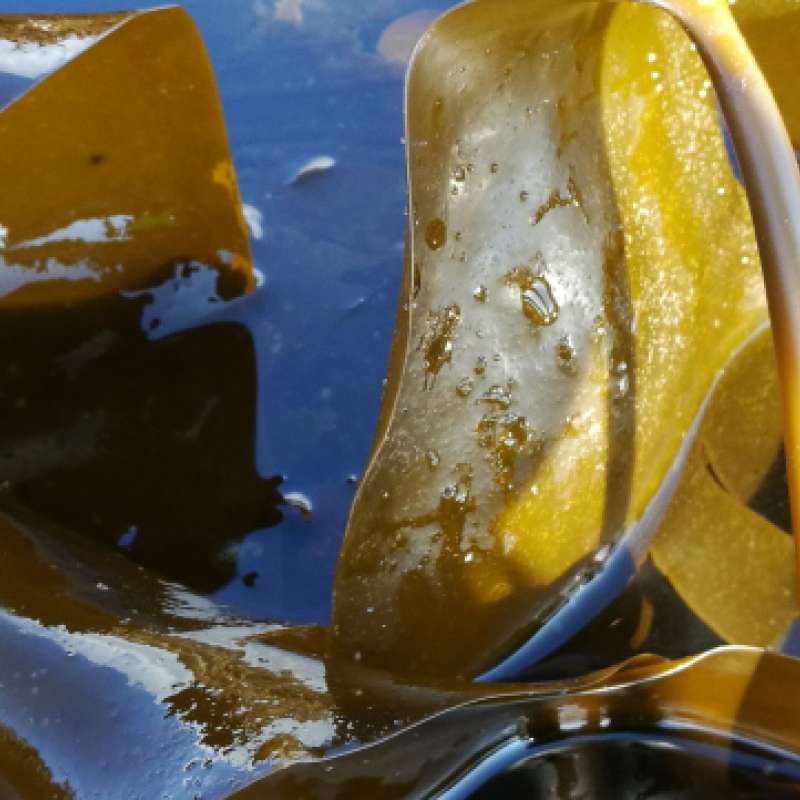
Målet med OceanGreen er å finne metoder for å gjenopprette tareskoger i Nord-Norge, gjennom bærekraftig høsting av kråkeboller. I prosjektet vil en også undersøke hvordan en kan lage verdifulle industriprodukter av de enkelte fraksjonene i den høstede biomassen. OceanGreen eies av Ava Ocean. Lenke til prosjektsiden hos Ava Ocean finner du til venstre på siden.
Divisjon for matproduksjon og samfunn
OceanGreen: Maximizing Economic Value through Restored Kelp Forests and Sustainable Fisheries
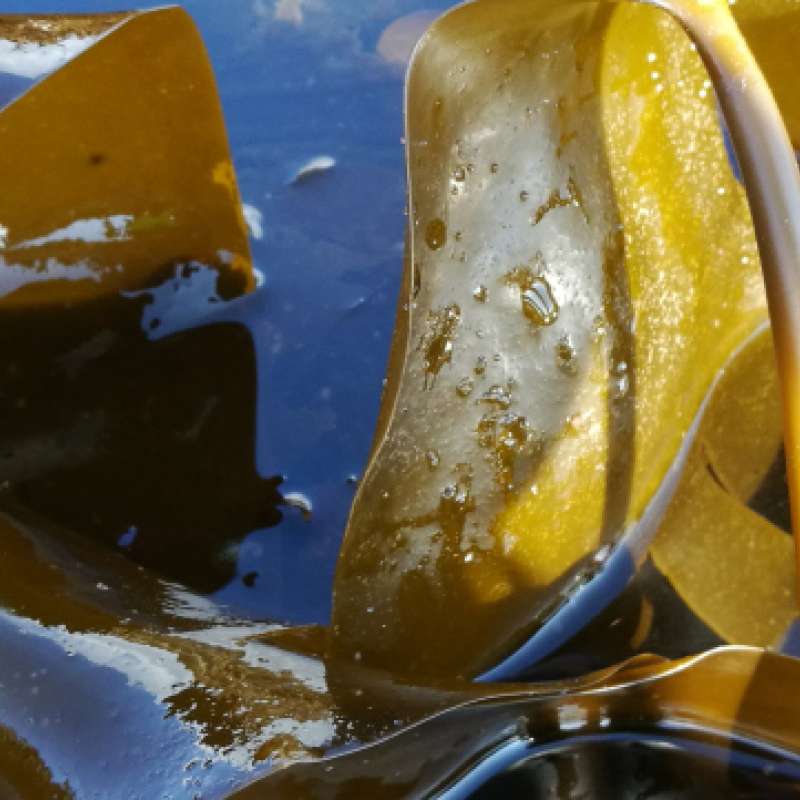
The OceanGreen project aims to restore and protect kelp forests along the Norwegian coast, develop sea urchin removal technologies, and create commercially viable products from harvested sea urchins. It focuses on kelp forest restoration, scalable technologies, sea urchin utilisation, collaboration, and coastal community revitalisation. Ava Ocean is the project owner, you'll find a link to their their project-site on the left side of this page.