
Jonathan Rizzi
Forsker
(+47) 483 47 537
jonathan.rizzi@nibio.no
Sted
Ås - Bygg O43
Besøksadresse
Oluf Thesens vei 43, 1433 Ås (Varelevering: Elizabeth Stephansens vei 21)
Vedlegg
List of PublicationsBiografi
De viktigste forskningsområdene er bruk av GIS i flere miljøsektorer, inkludert klimaendringer, forurenset grunn og vannkvalitet. Bidratt til utvikliing av GIS-baserte verktøy som Spatial Decision Support System konsekvensutredning for klimaendringer (DESYCO) og WebGIS for klimadata. Har også jobbet med metoder og tilpasningstiltak for å møte klimaendringene ved kystsoner. Arbeidserfaring fra MultiCriteria Decision Analysis (MCDA).
I de siste årene har han deltatt i internasjonale samarbeidsprosjekter i utviklingsland.
Sammendrag
In East Africa, including Tanzania, the vast majority of the population relies on fuelwood for domestic energy consumption, particularly for cooking. This heavy dependence on biomass has significant implications for forest resources, contributing to forest disturbances, but has not been sufficiently investigated until now. This study aims to explore these dynamics in Mainland Tanzania between 2001 and 2023 by assessing Tree Cover Loss, Above-Ground Biomass, biomass loss and demand trends, and evaluating the fraction of Non-Renewable Biomass. The study integrates remote sensing data from Global Forest Watch, national household budget surveys, and published literature, applying geospatial analysis and statistical modelling. Results showed that between 2001 and 2023 AGB declined, with a consistent drop in biomass density. Total Biomass Loss rose from 39 Mt in 2001 to 70.1 Mt in 2022, while Total Biomass Demand surged from 22.6 to 55.4 Mt. The gap between supply and demand narrowed slightly, suggesting a possible increase in resource use efficiency for energy provision. Out of 26 regions, 11 are net consumers, and 15 are net suppliers. This illustrates the uneven distribution of biomass resources and demand nationwide. The fraction of Non- Renewable Biomass rose from 23.8% in 2001 to 34.1% in 2012 and then stabilized. About 79% of this in 2022 was due to cooking-related biomass demand, highlighting unsustainable biomass use. Overall, this study offers critical insights into forest resource use in Tanzania, with implications for sustainable management and climate policy. The refined estimates of biomass dynamics and fraction of Non-Renewable Biomass support more targeted, data-driven decision-making. While limitations exist, the results emphasize the need for better monitoring to support sustainable energy and forestry strategies.
Sammendrag
Kan kunstig intelligens gi gamle svart-hvitt-bilder av landskap nye farger og samtidig gjøre dem lettere å forstå? I en prosjektet har NIBIO testet ulike KI-modeller for fargelegging av historiske landskapsbilder, skråfoto og flybilder. Resultatene viser at teknologien kan gjøre arkivbilder mer levende og nyttige i formidling, men også at fargene må tolkes med varsomhet: De viser sannsynlige fargeforslag, ikke nødvendigvis hvordan landskapet faktisk så ut.
Sammendrag
SUMMARY: This report presents the outcomes of a technical assignment carried out under the Forest Landscape Restoration (FLR) Project in Amhara, Ethiopia (2019–2024). The assignment aimed to develop a practical, remote sensing-based methodology for monitoring vegetation cover change in exclosure areas—sites designated for natural regeneration by excluding human and livestock activity. The assignment also included capacity building to strengthen local expertise in applying these monitoring methods. NORWEGIAN SUMMARY: Denne rapporten presenterer resultatene av et teknisk oppdrag utført under Forest Landscape Restoration (FLR) prosjektet i Amhara, Etiopia (2019–2024). Målet med oppdraget var å utvikle en praktisk, fjernmålingsbasert metodikk for å overvåke endringer i vegetasjonsdekke i eksklusjonsområder—områder som er utpekt for naturlig regenerering ved å ekskludere menneskelig og husdyraktivitet. Oppdraget inkluderte også kapasitetsbygging for å styrke lokal ekspertise i anvendelsen av disse overvåkingsmetodene.

Divisjon for kart og statistikk
Pan-European Network of Green Deal Agriculture and Forestry Earth Observation Science (PANGEOS)
The sustainability of Europe’s green resources are threatened by climate change associated environmental changes. Agricultural systems and forests are among the ecosystems mostly interlinked with human health and wellbeing due to the socio-economic services they provide.
Divisjon for kart og statistikk
Considering the Environment and Nature when Building and Operating Ground Mounted Solar Power Plants in Norway
EnviSol's mission is to harmonize the growth of ground-mounted solar power plants in Norway with the imperative to protect biodiversity and ecosystem services. With renewable energy production, preserving nature, and supporting ecosystems all in mind, EnviSol aims to pinpoint the ideal methods and locations for these solar installations, mitigating clashes over land use.
Divisjon for skog og utmark
Partnership for Research and Education for Monitoring Coastal Environments in Africa (CoastAfrica)
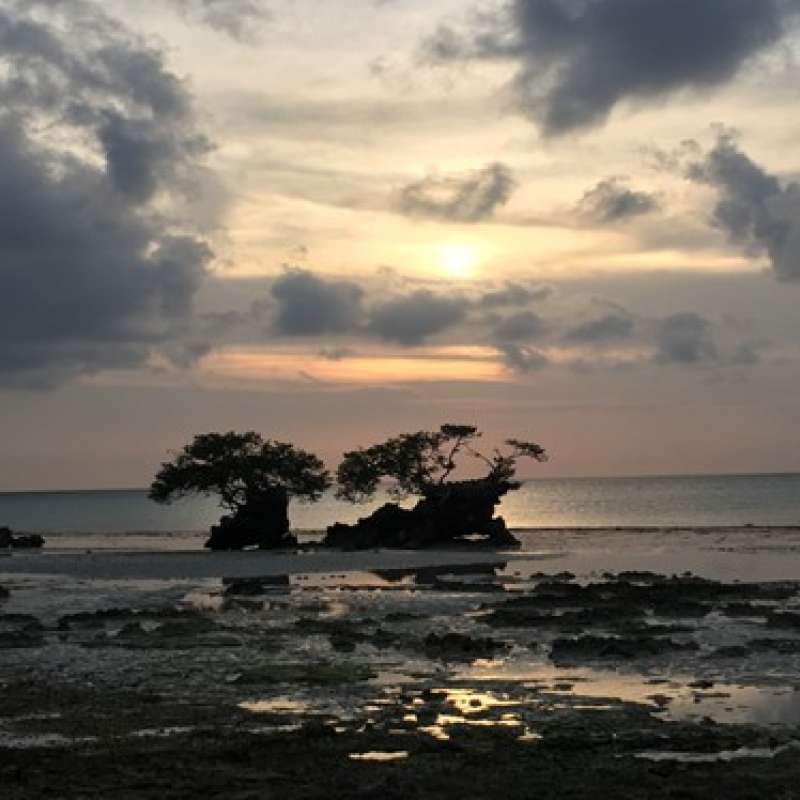
CoastAfrica is an international research and education partnership that strengthens collaboration between Norwegian and African institutions to monitor coastal environmental change.
Divisjon for miljø og naturressurser
CANALLS Agroecological practices for sustainable transition
Agroecology covers all activities and actors involved in food systems. It also places the well-being of people (producers and consumers of crops and products) at its core. The EU-funded CANALLS project will focus on the agroecological zones and diverse farming systems in the humid tropics of Central and Eastern Africa. It will explore the complex environmental, social and economic challenges, which in some cases are exacerbated by conflict and high vulnerability. Moreover, it will advance agroecological transitions in these regions through multi-actor transdisciplinary agroecology Living Labs at eight sites in four countries. The focus will be on crops such as cocoa, coffee and cassava, which are vital for subsistence and economic development.
FIREFLIES – Farming with nature