New project aims to optimize grazing in Norway
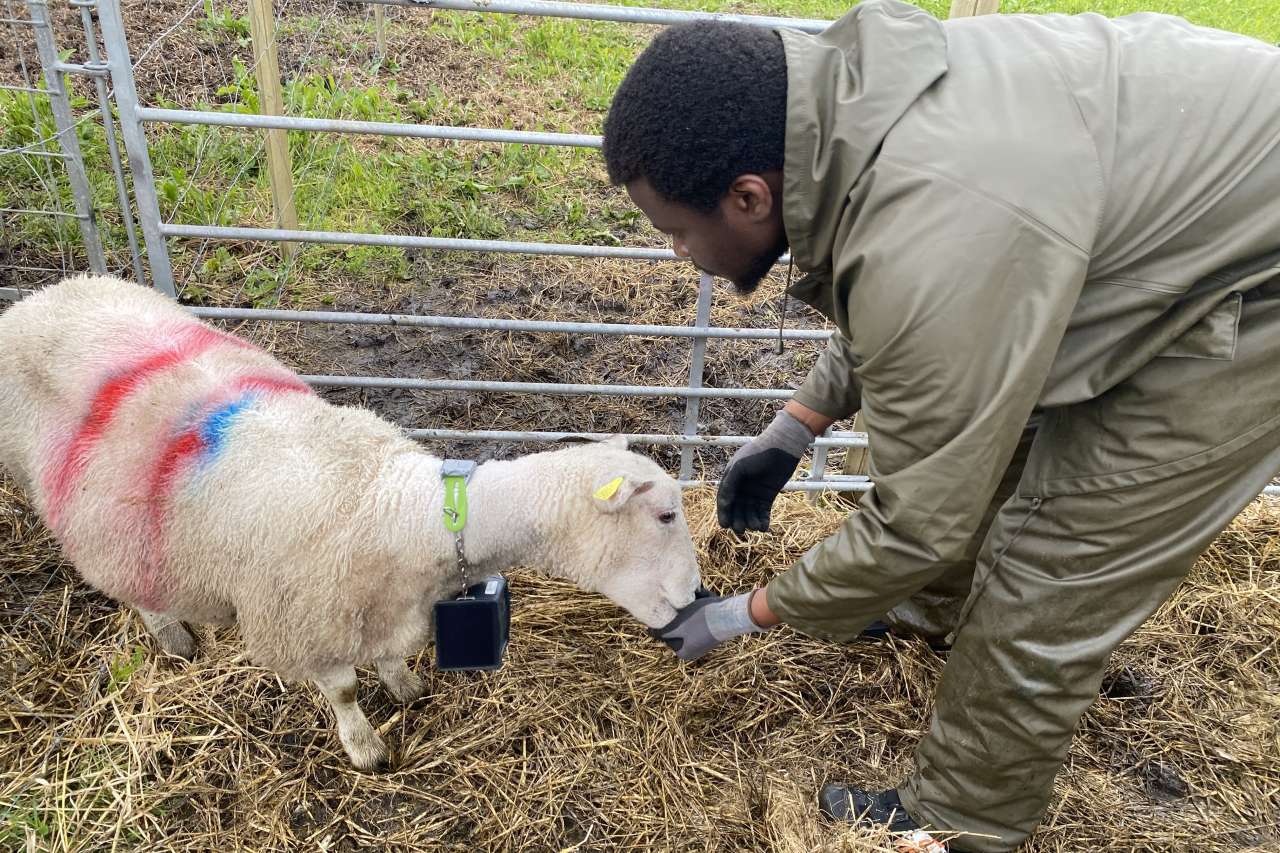
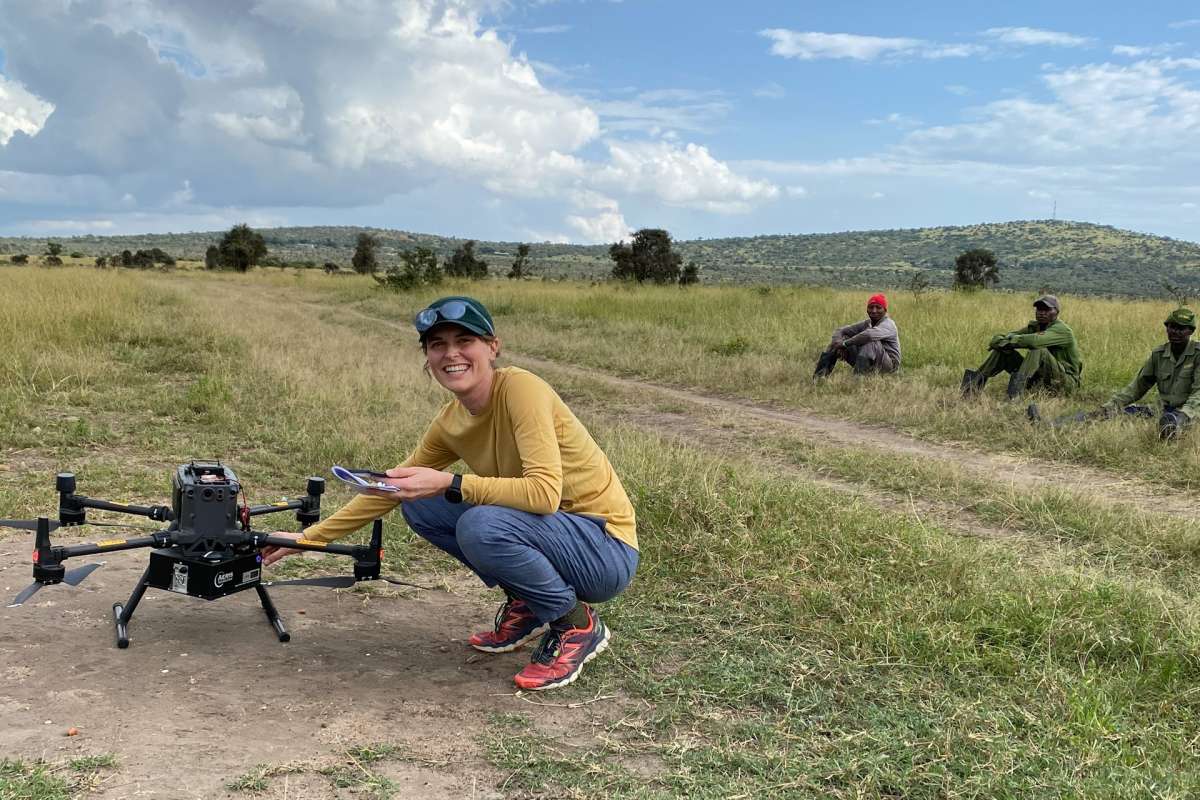
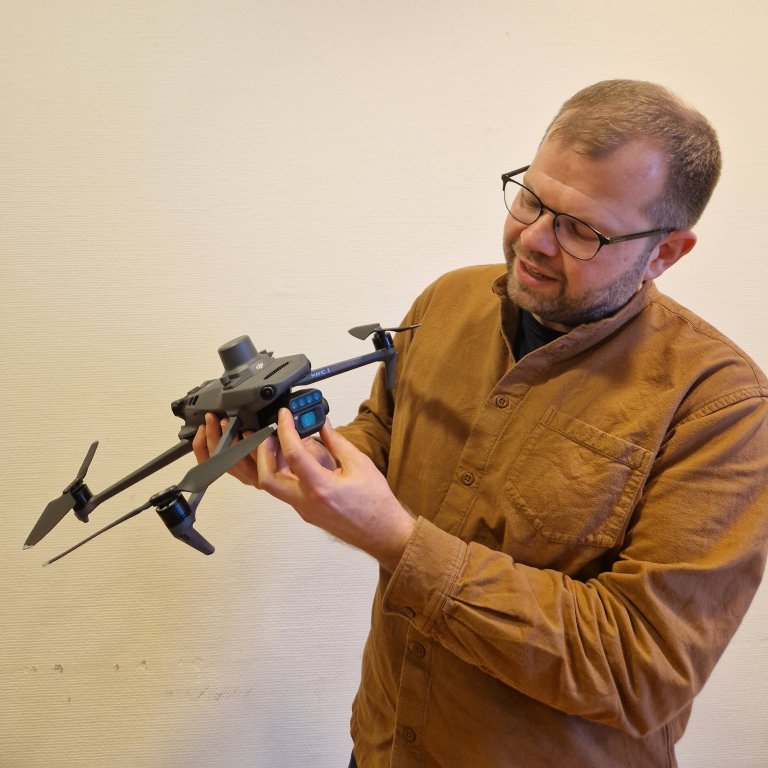
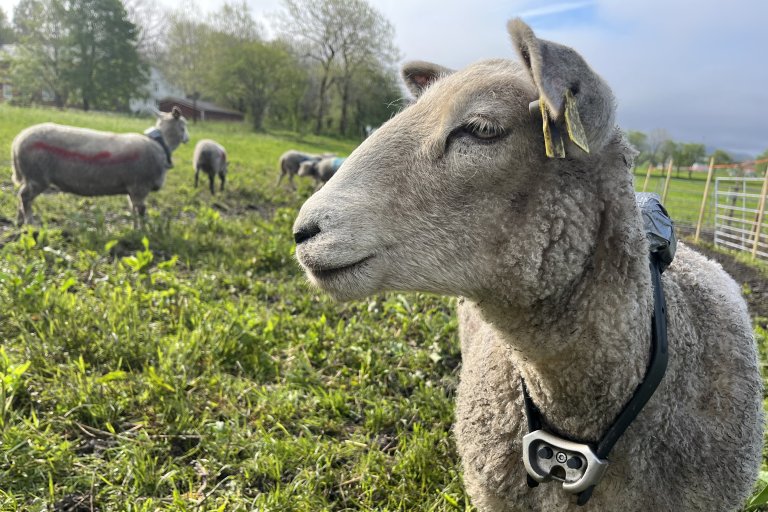
Project leader Shelemia Nyamuryekung’e presents a trial sheep fitted with a GPS collar from NoFence. Photo: Lise Grøva
The new research project TechGraze will test how virtual fencing and remote sensing using drones can improve the utilization of Norwegian grazing areas. The goal is to strengthen food security, animal welfare, and biodiversity.
Norwegian agriculture is characterized by a steady decline in the number of farms and an aging farming population. At the same time, the remaining farms are becoming larger and more intensively operated. The result is increased dependence on imports, partly because the number of ruminants able to utilize grassland resources is decreasing. When grazing ceases, biodiversity declines in threatened habitats such as semi-natural grasslands, and more of the cultural landscape becomes overgrown. The decline in cattle and sheep farming also weakens both the economy and settlement in rural areas.
These are precisely the challenges that the new NIBIO project TechGraze aims to address.
Existing technology can add value
Both virtual fencing and remote sensing are relatively new technologies that have been rapidly adopted on Norwegian farms. Virtual fences are invisible, digital boundaries controlled by GPS collars worn by the animals. Remote sensing using drones and satellites can collect environmental data such as growth conditions and soil health, enabling farmers to work more precisely and efficiently without having to carry out these measurements themselves.
“Each system has been extensively tested and further developed on its own, but TechGraze is the first project to examine the added value of combining these two technologies,” says Research Scientist and project leader Shelemia Nyamuryekung’e enthusiastically.
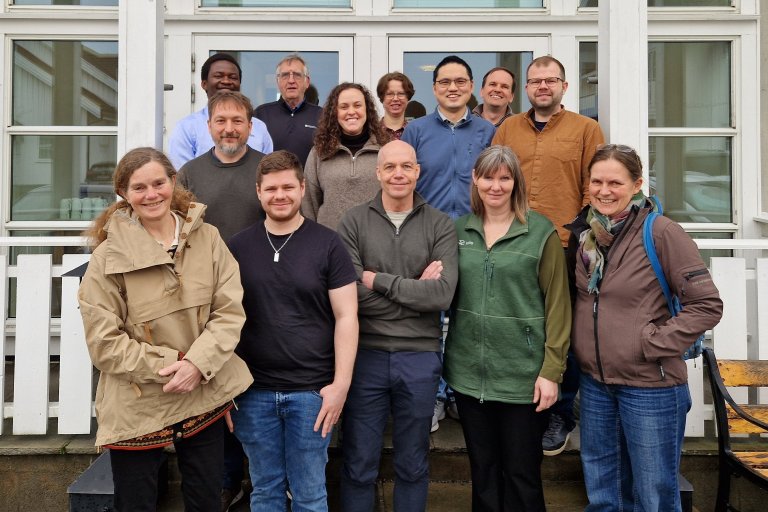
The project team includes several skilled researchers from NIBIO, as well as international researchers from Scotland’s Rural College, the University of Milan, and the University of Aveiro in Portugal.
“Norway is far ahead of other countries when it comes to farmers’ use of technology. That is why Norway has been chosen as the pilot for this research, and where the trials will take place. The goal is for the combination of virtual fencing and remote sensing to be further developed, tested, and eventually adopted in other countries as well.”
From large amounts of data to useful knowledge
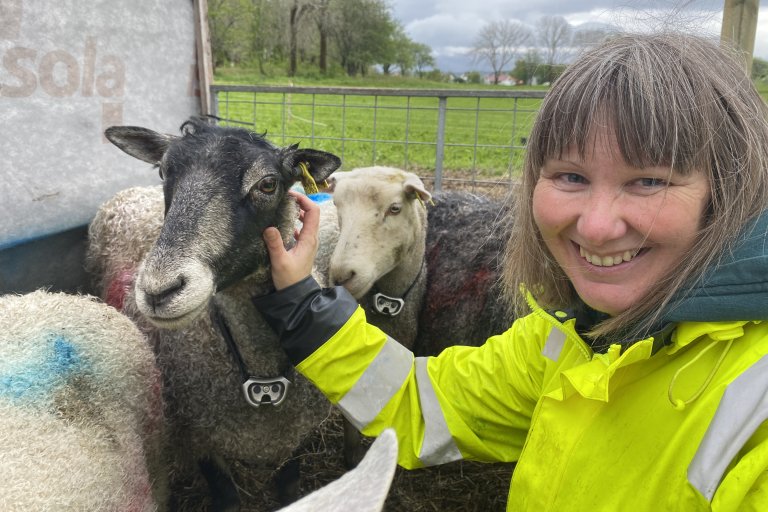
Virtual fencing and remote sensing are already used on many farms today, generating large amounts of data. This can include everything from the distance an animal has walked and the types of movements it has made, to the amount and type of vegetation in each area.
The first phase of the project will therefore be to test which data from the two technologies can be combined, and how. Researchers will then examine how the systems can be implemented among Norwegian farmers. Finally, a cost–benefit analysis will be conducted to assess accessibility and user-friendliness for farmers.
A triple win
“We want to find out whether the information already being collected can be combined in a way that is both practical and meaningful for farmers. This would allow the data to help improve grazing utilization while also taking animals and nature into account. Virtual fencing can ensure that animals use the entire grassland area, while GPS and movement data from collars provide insight into grazing patterns and animal welfare. Remote sensing, on the other hand, can indicate feed quality and monitor grazing pressure in the area. When we combine these data sources, farmers can use grasslands more efficiently and receive alerts when grazing pressure approaches threshold values, allowing animals to be quickly moved to a new area. And all of this can be done with just a few taps on a phone,” explains Nyamuryekung’e.
The TechGraze project could therefore offer a “three-in-one” solution to the challenge of underutilized grassland. Farmers may benefit from reduced workload and better support for knowledge-based grazing decisions, while ruminants can experience improved welfare through better monitoring and access to higher-quality feed. At the same time, nature can be protected from overgrazing, while semi-natural habitats receive the management they depend on.
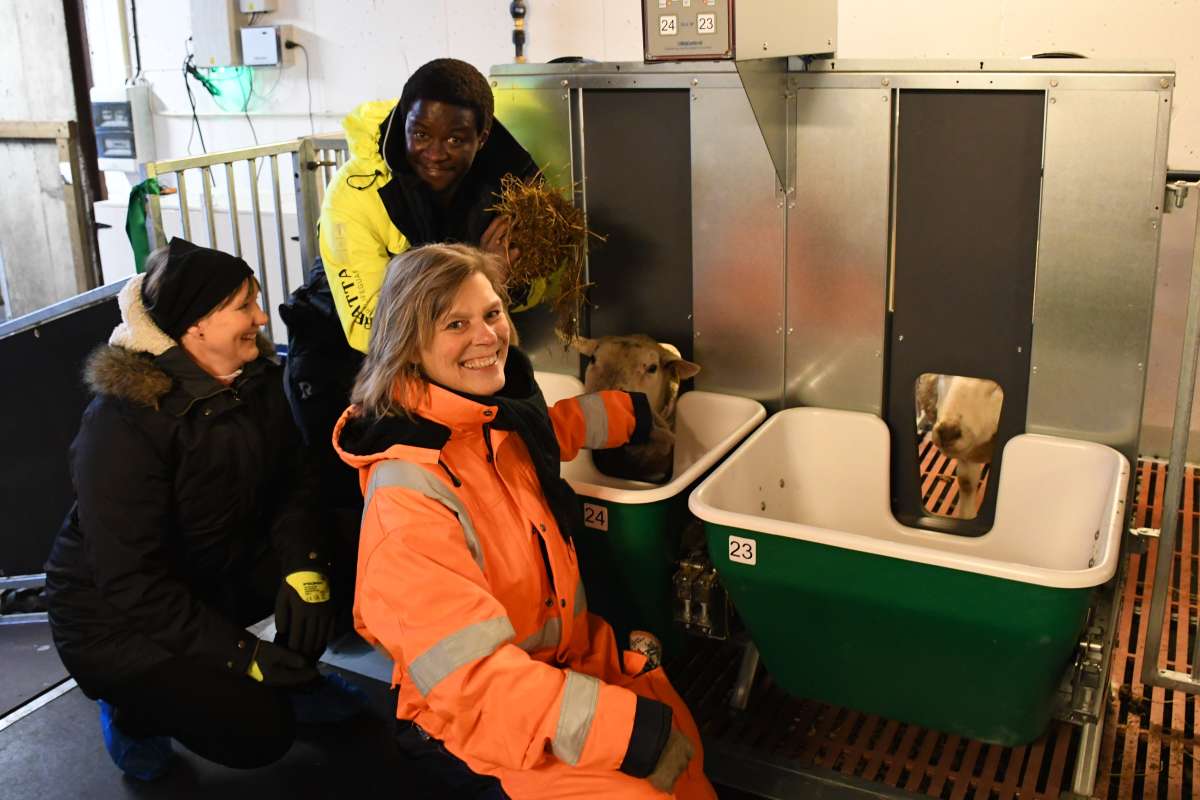
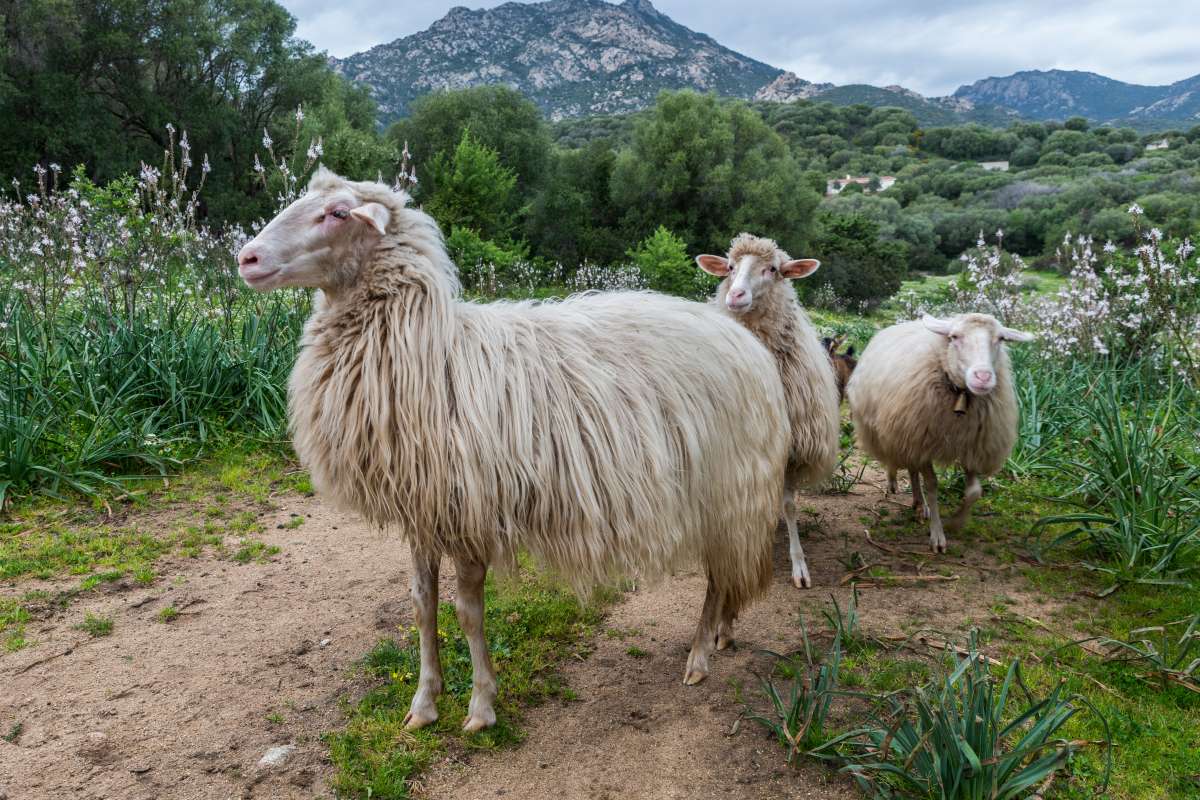
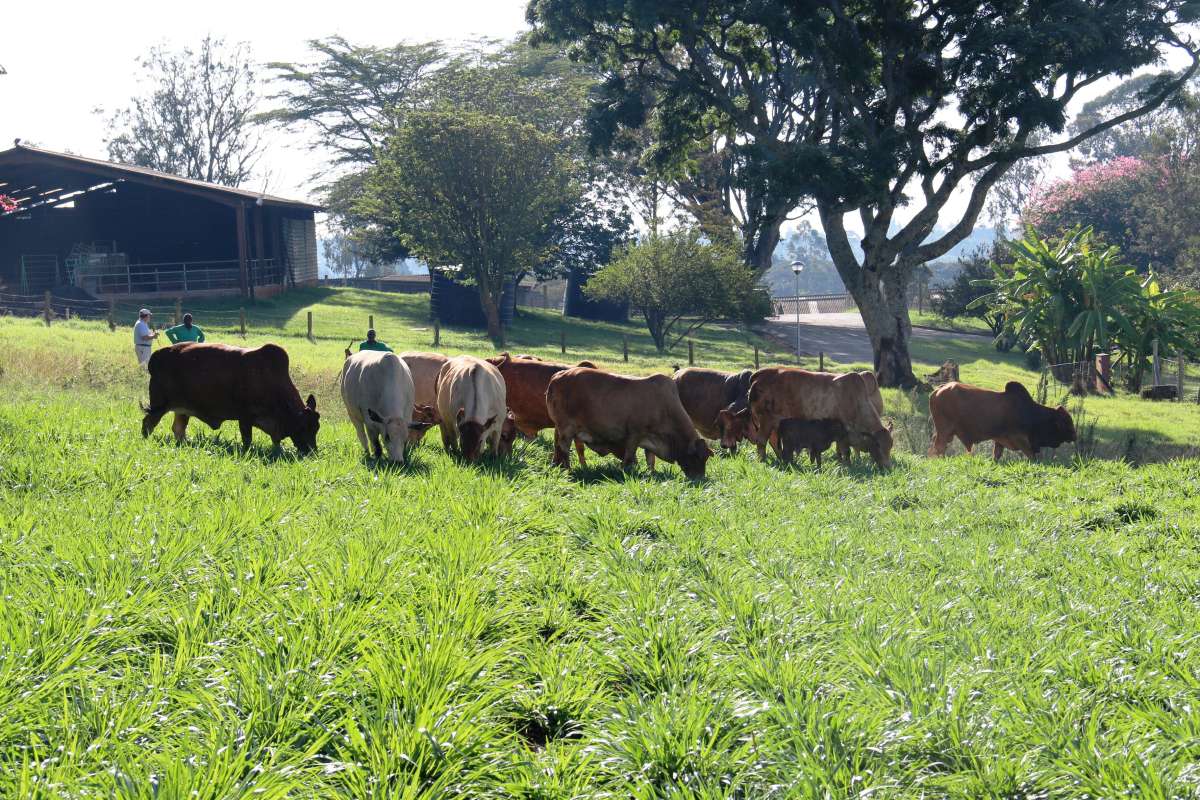
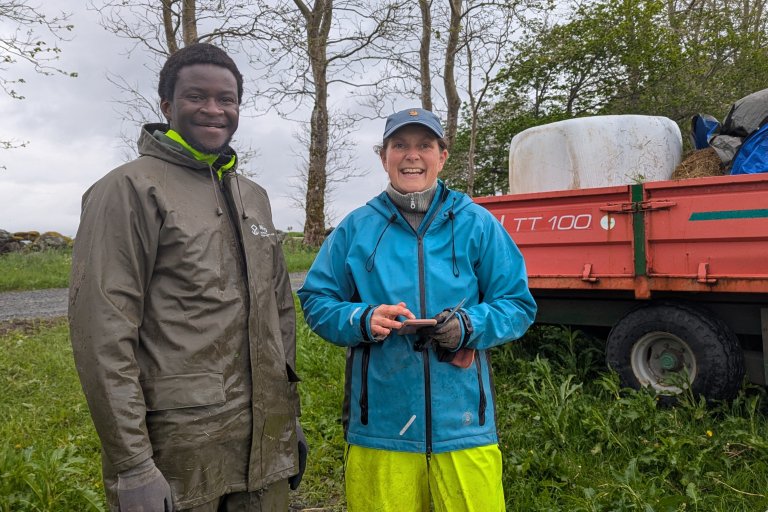
Researchers hope to begin the first field season as early as this summer. The plan is to test virtual fencing and remote sensing on sheep at NIBIO Tjøtta in Nordland County, and on cattle at Felleskjøpet Research Farm at Klepp (Rogaland County).
“The technology for collecting the data already exists. Now our job is to turn that data into concrete advice for better grazing practices—for people, animals, and the environment,” concludes the project leader.
Contacts
Shelemia Nyamuryekung'e
Research Scientist
-
Division of Food Production and Society
(+47) 477 64 707 shelemia.nyamuryekunge@nibio.no Office Location: Tjøtta
Research partners and project Information
Full title: Integrating Advanced Technologies for Enhanced Grazing Practices in Norway (TechGraze)
Budget: NOK 15,950,000
The project is funded by the Research Council of Norway (Foundation for Research Levy on Agricultural Products (FFL) / the Agricultural Agreement Research Fund (JA)), in addition to key partners from the agricultural sector: Norwegian Agricultural Advisory Service SA, MONIL AS, Felleskjøpet Rogaland Agder SA, Norwegian Sheep and Goat Association, NOFENCE AS, and TINE SA. Partner universities are also important contributors.
Duration: 2025–2029
Contacts
Shelemia Nyamuryekung'e
Research Scientist
-
Division of Food Production and Society
(+47) 477 64 707 shelemia.nyamuryekunge@nibio.no Office Location: Tjøtta