
Monica Skogen
Lead Engineer
Authors
May Bente Brurberg Simeon Rossmann Erik Lysøe Monica Skogen Håvard Eikemo Paulina Paluchowska Mirella Ludwiczewska Sylwester Sobkowiak Marta Janiszewska Zhimin Yin Jadwiga SliwkaAbstract
No abstract has been registered
Authors
Simeon Rossmann Erik Lysøe Monica Skogen Håvard Eikemo Marta Janiszewska Mirella Ludwiczewska Sylwester Sobkowiak Jadwiga Sliwka May Bente BrurbergAbstract
No abstract has been registered
Abstract
Rapporten sammenstiller feltundersøkelser, ultralydmålinger, materialprøver og DNA-analyser for å vurdere korrosjon på stålkonstruksjoner i Mjøsa, med særlig relevans for Tangenvika bru og MIC. Mengshol fergeleie er brukt som referanse fordi spuntveggen har lang eksponering i Mjøsa. Arkivdata viser prosjektering i 1963 og drift senest 1964–65. Rapporten legger 1965 til grunn som konservativt startpunkt (ca. 61,4 år til 2026). Undersøkelsene dokumenterer rusttuberkler, gropkorrosjon, variasjoner i resttykkelse, materialtap og enkelte gjennomrustinger, også under sedimentoverflaten. Med 12 mm opprinnelig godstykkelse gir prøvene korrosjonsrater på ca. 6,1–7,8 mm per 100 år, mens kritiske UT-observasjoner nærmer seg 10 mm per 100 år. Funnene gir ikke grunnlag for å forkaste dimensjonerende korrosjonsmargin på 10 mm per 100 år for Tangenvika bru ved jevn, ensidig korrosjon. Samtidig viser Mengshol at gropkorrosjon, gjennomrusting, biofilm, rusttuberkler og sedimentkontakt kan gi skader som ikke fanges av gjennomsnittlige rater. DNA-analysene påviser jernoksiderende og jernreduserende bakterier på ståloverflater. Funnene er forenlige med miljøer der MIC kan bidra til korrosjon, men dokumenterer ikke aktivitet, korrosjonshastighet eller årsakssammenheng. Videre overvåking bør omfatte testplater, repeterte UT-målinger, fotodokumentasjon og bakterieanalyser, særlig i overgangssoner, nær bunn og ved sedimentkontakt, biofilm, rusttuberkler eller gropdannelse.
Division of Biotechnology and Plant Health
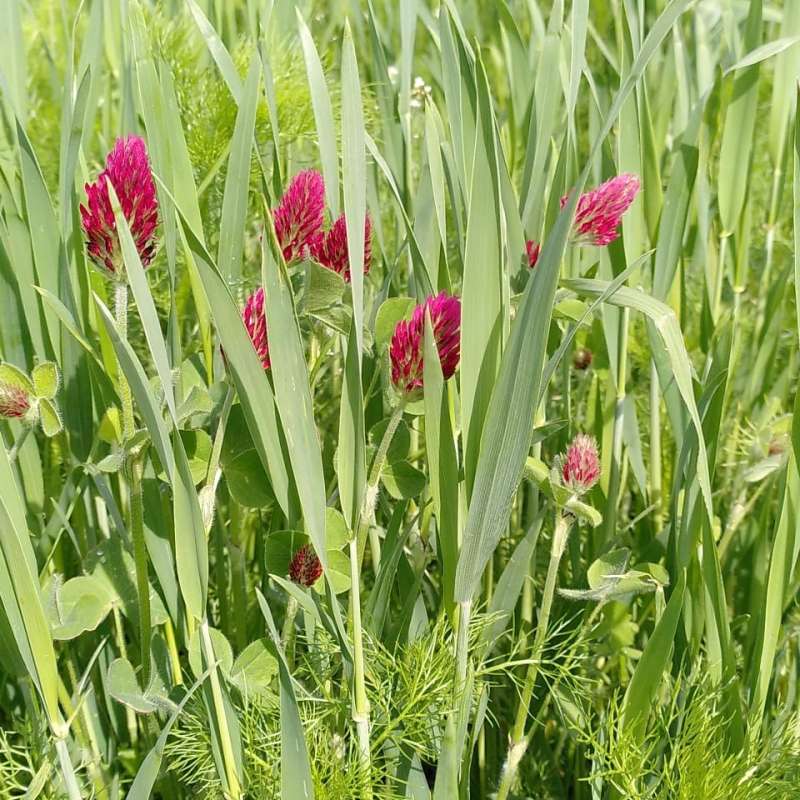
REKORN: Can regenerative cultivation methods contribute to reduce the risk of fungal diseases in cereals?
Regenerative agriculture is referred to as a bridge between organic and conventional agriculture and has received increased attention in recent years. Regenerative agriculture focuses on soil health and cultivation measures that can stimulate soil life and plant growth. An improvement in soil health is visualized, among other things, in increased carbon storage in the soil, limited soil compaction and increased microbiological diversity. The methods used to improve soil health within cereal cultivation may include crop rotation, reduced tillage, intercropping, use of catch crops and surface composting where plant residues are mixed into the top-soil layer.
Division of Food Production and Society
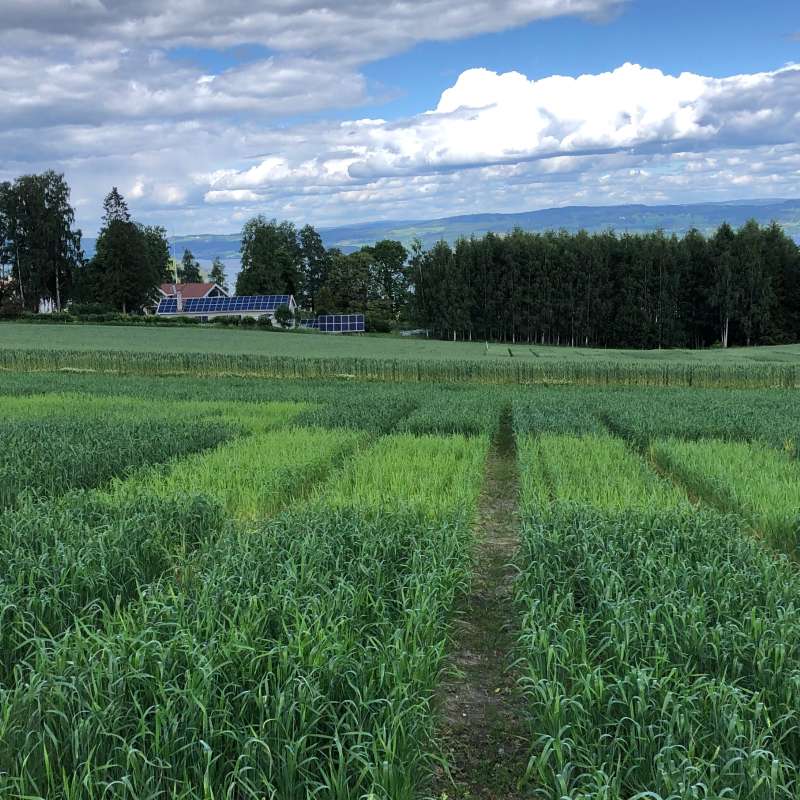
Gene2Bread: Building knowledge and exploiting technology to achieve high wheat self-sufficiency in Norway
The project aims to increase Norway’s self-sufficiency in milling wheat by gaining knowledge to improve wheat quality and increase its utilisation. Adequate protein content and a stable quality between seasons and within a season are prerequisites to increasing the share of Norwegian wheat in the flour blend.