Norway’s forests hold more timber than ever – but growth is declining in parts of the country
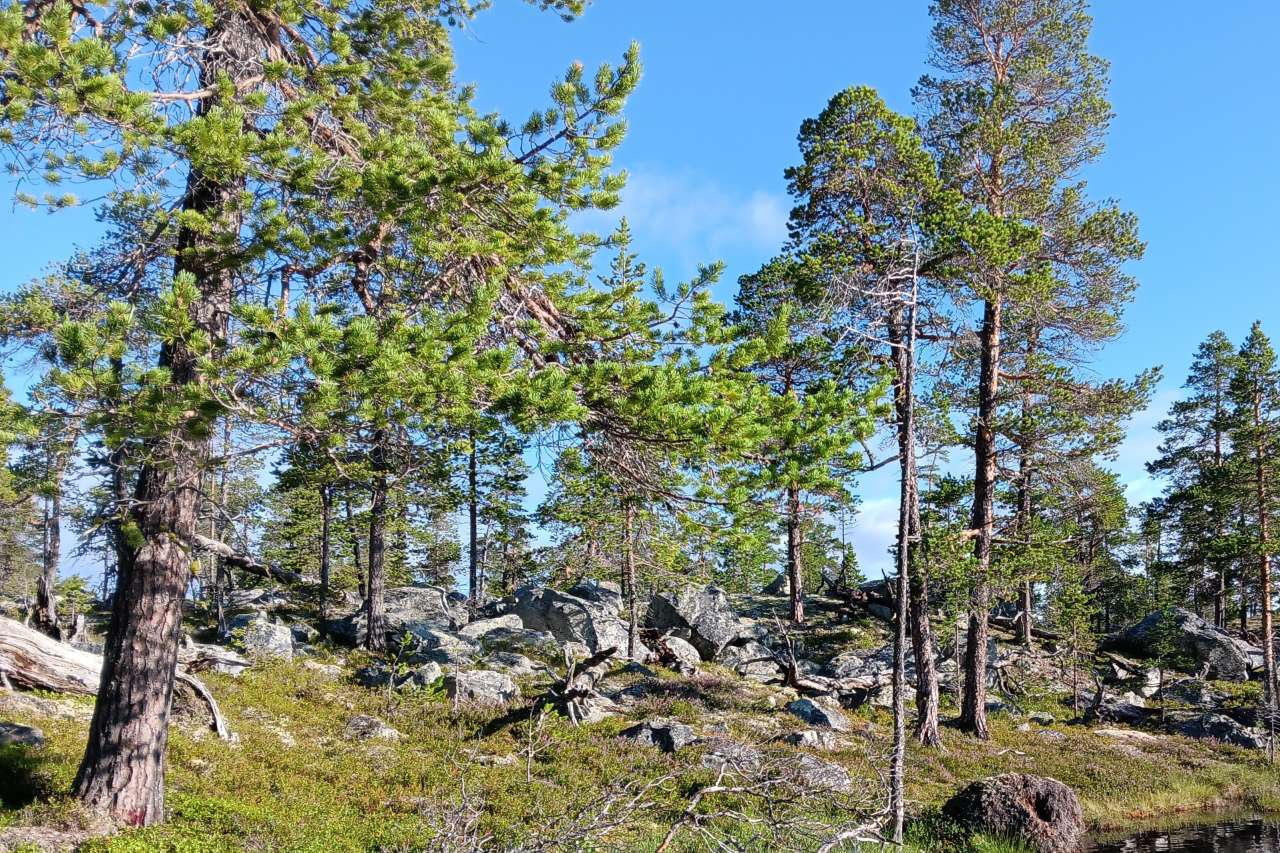
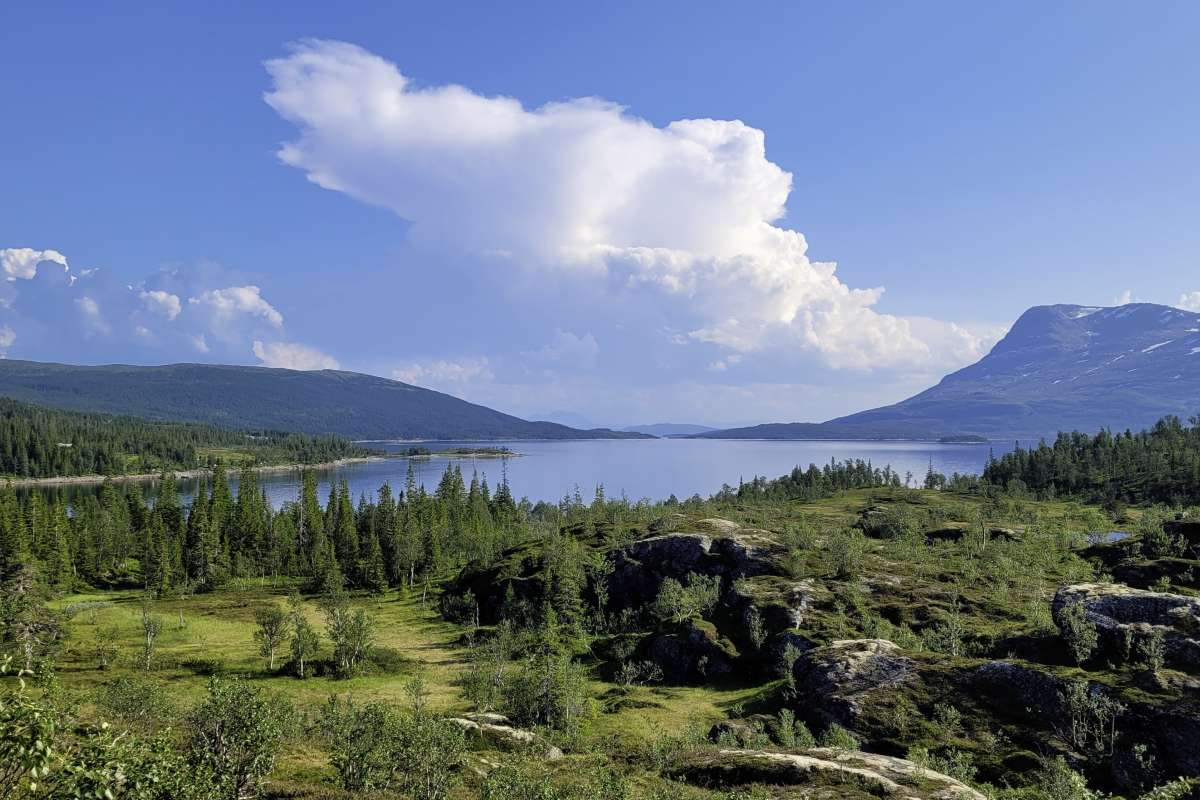
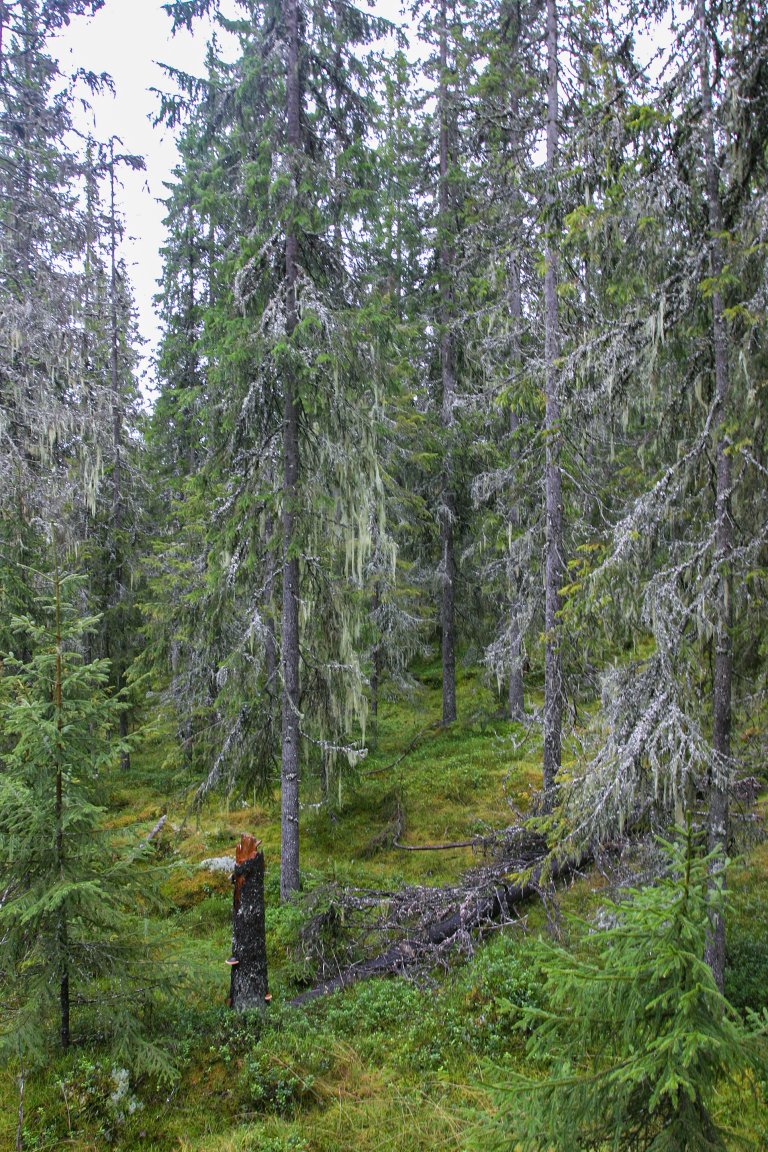
The photo shows an old-growth forest in Innlandet County. Photo: Anders Røkkum, NIBIO
Forest volume in Norway has now surpassed one billion cubic metres. One hundred years ago, the volume was around 300 million cubic metres. At the same time, new analyses show that in some regions more timber is being harvested than is growing back. This marks a significant break from the last 100 years, where annual growth far exceeded logging.
“In spruce forests in Eastern Norway – and the entire forested area in Innlandet County, harvesting and natural mortality now exceed the annual growth increment,” says Johannes Breidenbach, forest researcher and Head of Norway’s National Forest Inventory.
The National Forest Inventory is a national monitoring programme that has followed developments in Norwegian forests for over one hundred years.
The reasons for these dramatic changes are complex. The 2018 drought summer led to more dead trees, and high timber prices have contributed to increased harvesting. And there is plenty of available forests – much of the forests planted during the 1950s are now mature and ready to be harvested.
“That harvesting exceeds growth during certain periods is not necessarily a problem in the short term,” Breidenbach says.
“However, the situation is new in modern times. And we cannot continue like this forever.”
“This creates a whole situation which mandates updated calculations of the sustainable harvest level, i.e. how much timber we can harvest without causing a shortage of mature forest in the future,” Breidenbach says.
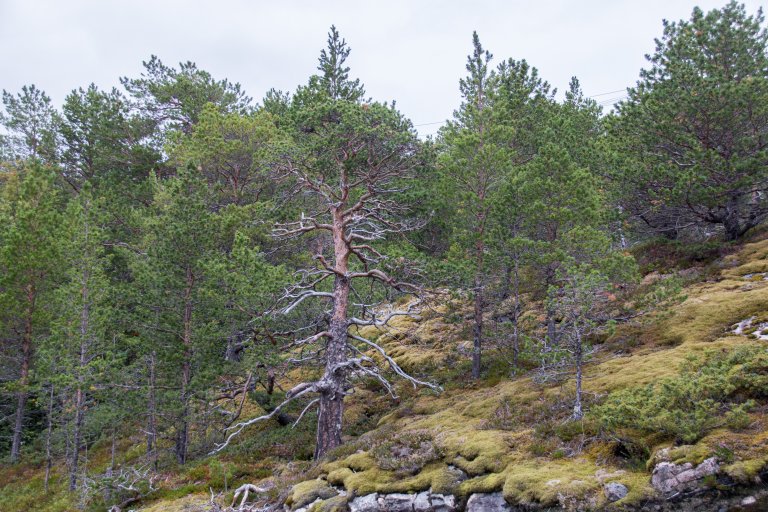
New knowledge about Norway’s forests
The new findings about Norway’s forests have recently been published in the new NIBIO report “Forests and Forestry in Norway”, previously known as “Sustainable Forestry in Norway”.
The change in title from “Sustainable Forestry in Norway” to “Forests and Forestry in Norway” is intended to better reflect the breadth of the content of the annual report.
“The report is not only about forestry, but more about the forest in general,” says Oliver Moen Snoksrud, advisor at the Norwegian National Forest Inventory at NIBIO and one of the report’s editors.
Many of the main chapters are revised with new analyses and updated text, e.g. the chapters on undisturbed forests, forest-dwelling species on the Red List, environmental registrations in forests, and the extent of planted forests.
“Among the new elements is a more detailed classification of forest area – based on degree of naturalness – providing a more nuanced picture of forest structure,” Snoksrud says.
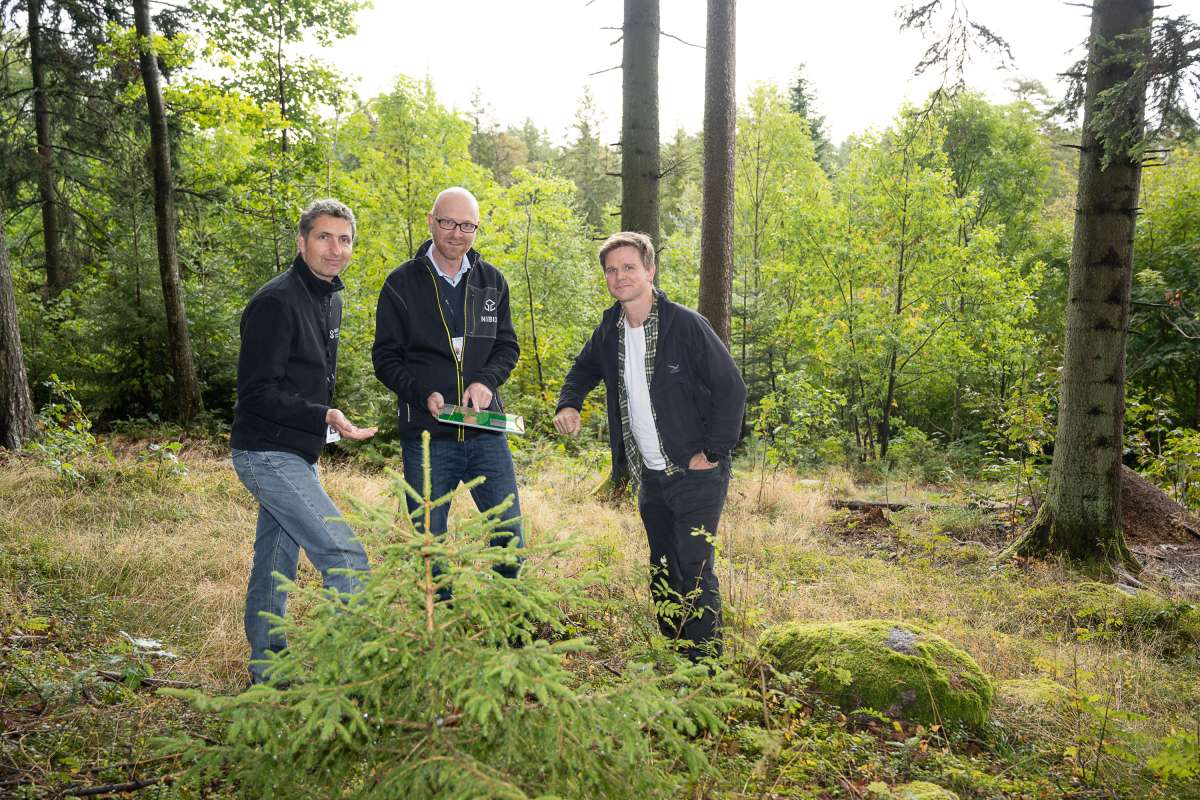
Much of the knowledge presented in the report derives from the annual field registrations carried out by the National Forest Inventory field crews. They visit around 13,000 locations across the country every five years, one-fifth every year; recording tree species, tree height and diameter, in addition to a range of other factors, such as the amount of deadwood, the presence of bilberries, and browsing damage from deer species such as roe deer, moose and red deer.
More than 20 experts from Statistics Norway (SSB), Skogkurs, the Norwegian Agriculture Agency, NTNU, UiT – The Arctic University of Norway, NINA and NIBIO have contributed to the new report.
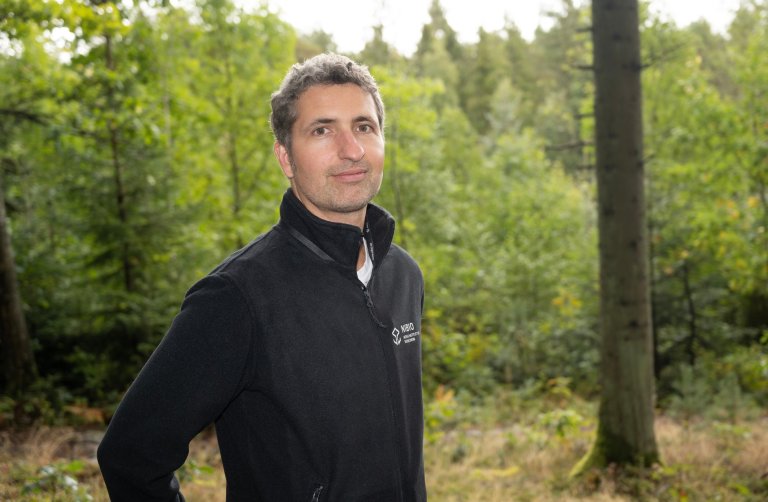
Forests are central to both climate policy and nature policy
“The report is intended as an important contribution to a more knowledge-based public debate and provides a comprehensive overview of the state of Norway’s forests,” says NIBIO’s Director General, Ivar Horneland Kristensen.
Forests provide the basis for employment and value creation through forestry, wood processing industry, and the bioeconomy. At the same time, forests are habitats for a rich biodiversity and are important for outdoor recreation.
“Forests also play a central role in addressing several of our global challenges,” Kristensen says.
“Forest-related issues rank high on the political agenda – both nationally and internationally – and the management of Norwegian forests must be viewed in connection with global climate and biodiversity goals, carbon sequestration and efforts to halt biodiversity loss.”
“Today’s forest management is therefore largely about balancing climate and environmental considerations with the need for jobs, value creation and vibrant local communities,” Kristensen concludes.
Contacts

Johannes Breidenbach
Head of Department/Head of Research
-
Division of Forest and Forest Resources
(+47) 974 77 985 johannes.breidenbach@nibio.no Office Location: Ås H8
Links
"Forests and Forestry in Norway" Norway’s National Forest Inventory (NFI) Make your own estimates SR16 at Kilden SR16 at GeoNorgeForests and Forestry in Norway
The first edition of the report, titled “Sustainable Forestry in Norway,” was prepared in 2014 on commission from the Government. The assignment was anchored in White Paper No. 9 (2011–2012) “Agricultural and Food Policy – Welcome to the Table” and the Ministry of Agriculture and Food’s budget proposition for 2013. The more than 20 contributors to the report “Forests and Forestry in Norway” come from Statistics Norway (SSB), Skogkurs, the Norwegian Agriculture Agency, NTNU – University Museum, UiT - The Arctic University of Norway, NINA and NIBIO.
The Norwegian National Forest Inventory
Norway’s forests are mapped by the Norwegian National Forest Inventory. The inventory is a comprehensive, nationwide forest monitoring system. The data collected form the basis for statistics on forest area and resources, as well as habitats for biodiversity in Norwegian forests. Remote sensing from satellites and aircraft is increasingly used for various purposes in forest inventory and forest monitoring – both in Norway and internationally. The research conducted in this field led to the development of the Norwegian forest resource map which combines field data from the National Forest Inventory and airborne laser scanning. The National Forest Inventory was established in 1919. It was initiated due to concern and uncertainty about the condition of Norway’s forests. Norway was the first country in the world to start systematic forest inventory to ensure sustainable forest management.
SR16
The SR16 forest resource map provides detailed information about the forest in Norway. SR16 stands for "SkogRessurskart" (forest resource map), on which the pixel size (grid) is 16 x 16 meters. It is based on a combination of the National Forest Inventory's ground-based field sample plots and remote sensing data. It includes information on tree species, biomass, stand age and other forest characteristics. SR16 is a comprehensive digital forest resource map that provides an overview of the extent of the forest and properties of Norway’s land resources, including species of trees, average elevation and timber volume. The SR16 forest resource map has been established as part of Norge Digitalt and is available from Kilden and for download on Geonorge.
Contacts
Johannes Breidenbach
Head of Department/Head of Research
-
Division of Forest and Forest Resources
(+47) 974 77 985 johannes.breidenbach@nibio.no Office Location: Ås H8