
Katrin Zimmer
Forsker
Biografi
Katrin Zimmer er forsker i avdeling driftsteknikk og digitalisering. Hun har mer en 20 års erfaring med bruk av tre. Hun er utdannet snekker, studerte treteknologi ved universitet i Hamburg, og skrev doktorgraden ved Norges miljø- og biovitenskapelige universitet om "Variasjon i impregnerbarhet i furu yteved fra nord Europa".
Hun fokuserer arbeidet sitt på å øke bruk av mindre brukte treslag som bjørk, spesielt med hensikt på materialutvikling og vekst spesifikke virkes egenskaper. Hun er også ansvarlig for kommunikasjons aktiviteter innen SFI SmartForest.
Sammendrag
Lauvtrevirke fra norske skoger er et verdifullt råstoff dersom man klarer å utnytte denne ressursen. Lauvtrær, spesielt edellauvtrær som ask, eik og svartor, tåler varmere klima bedre enn bartrær som dominerer skogene i Norge i dag, og den pågående klimaendringen forventes å gi bedre vekstforhold i Norge for lauvtre, mens det ligger an til mer utfordrende klima for gran og furu. Denne rapporten er tenkt som en innføring i lauvtre, dets egenskaper og forekomst i Norge. Rapportens del 1 gir et overblikk over lauvtrevirkets oppbygging og beskriver kort funksjonen til de ulike lag som en trestamme består av. Den tar for seg anatomiske retninger, introduserer ulike densitetsbegreper og forklarer sammenhengen mellom årringbredde, densitet og styrkeegenskaper. Rapporten beskriver på et overordnet nivå oppbyggingen av en årring, celletypene i lauvtrær, kjerne- og yteved, samt deres betydning for trevirkets naturlige holdbarhet. Samspillet mellom trevirke og vann omtales avslutningsvis. Del 2 av rapporten er en litteraturstudie som beskriver grunnleggende tekniske egenskaper, tradisjonelle og aktuelle bruksområder for ask, bjørk, eik, osp og svartor. Rapportens del 3 gir en detaljert beskrivelse av hvor mye lauvtrevirke av ask, eik, hengebjørk, dunbjørk, osp, gråor og svartor som står og vokser i hele Norge og hvordan ressursen er fordelt i regionene Østlandet, Sørlandet, Vestlandet, Trøndelag og Nord-Norge. Vi gir også informasjon om alder, bonitet til bestandene samt diameterfordelingen. Vi belyser hvor tilgjengelig råvaren er for hogst ved å se på avstand til vei og terrenghelling i bestandene. Dette for å forbedre kunnskapen om hvor mye lauvvirke som er tilgjengelig til bruk i industrielle verdikjeder basert på lauv i regionene. Del 4 av rapporten gir en oversikt over pågående initiativer fra involverte partnere som har som formål å fremme bruk av lauvtre fra norske skoger. Den beskriver ulike prosjekter, blant annet SynForest, HUB:NODE Lauv, og to aktuelle klynger i Norge, WoodWorks! og InnoTre.
Sammendrag
Det er ikke registrert sammendrag
Sammendrag
Det er ikke registrert sammendrag
Divisjon for matproduksjon og samfunn
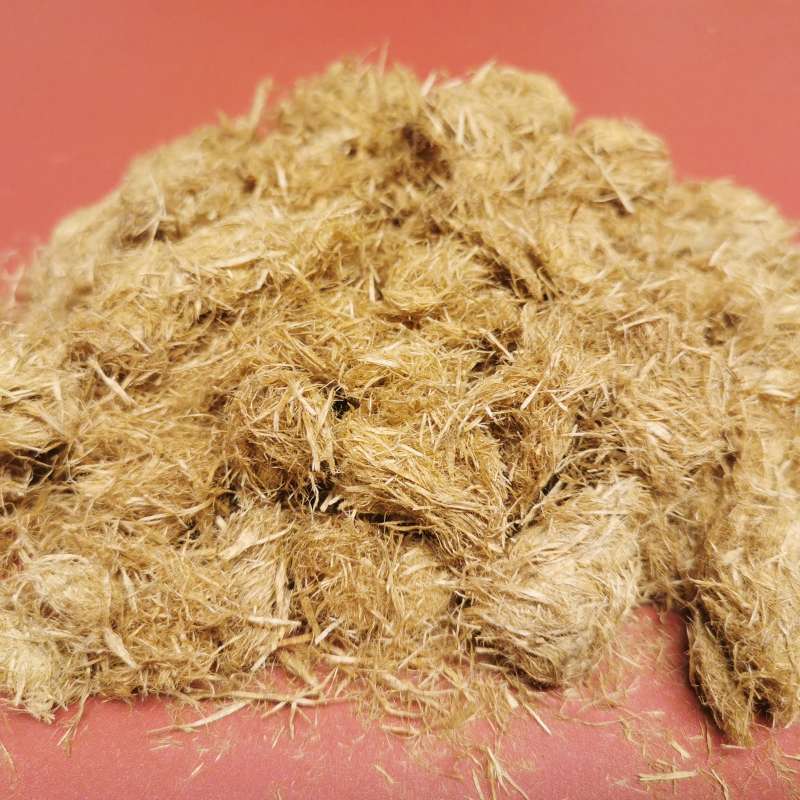
Utnyttelse av trefiber og avfallsstrømmer for bærekraftige og sirkulære dyrkingsmedier i hagebruket (‘SUBTECH 2.0’)

Divisjon for skog og utmark
SFI SmartForest: Bringing Industry 4.0 to the Norwegian forest sector
SmartForest will position the Norwegian forest sector at the forefront of digitalization resulting in large efficiency gains in the forest sector, increased production, reduced environmental impacts, and significant climate benefits. SmartForest will result in a series of innovations and be the catalyst for an internationally competitive forest-tech sector in Norway. The fundamental components for achieving this are in place; a unified and committed forest sector, a leading R&D environment, and a series of progressive data and technology companies.