Projects
NIBIO is a project driven research institute and collects approximately 400 million NOK annually in project funding from both national and international sources. A lot of activity is carried out through EU and EEA-projects and we also participate in research projects in Asia, Africa and Latin America. NIBIO coordinates several large international projects with a particular focus on food security and climate change. The list of projects is not complete.
Division of Food Production and Society
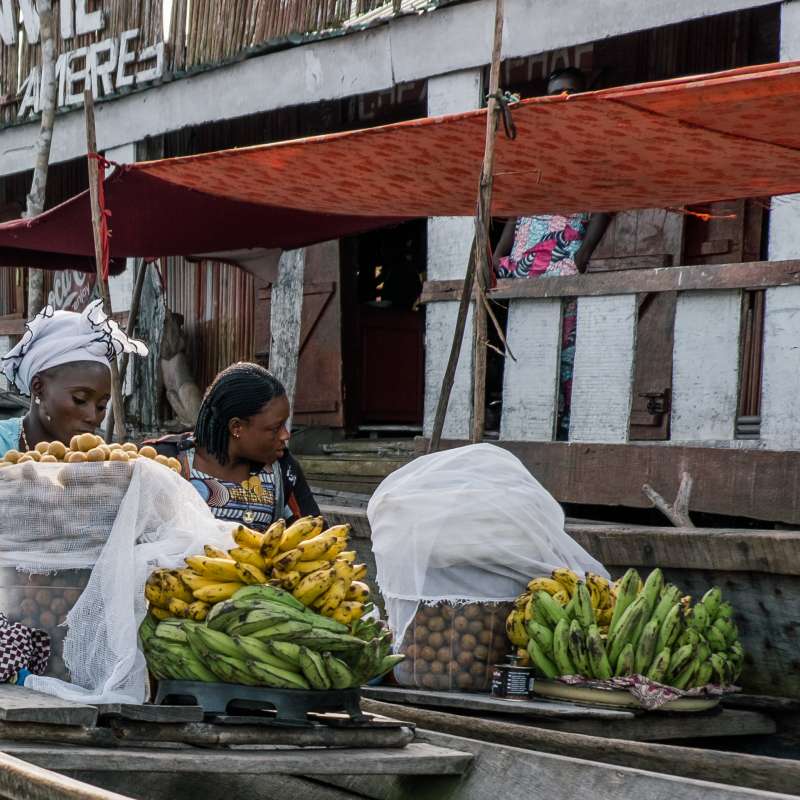
HealthyFoodAfrica
Improving access to nutritious food is a systemic challenge. In order to foster healthier diets, it is necessary to go beyond expanding the diversity of products on the supply side, or raising awareness on the demand side. HealthyFoodAfrica aims to increase the resilience of food systems, and to link food production to nutrition performance, thereby increasing the range and quality of food products for a healthy diet. To achieve this, it engages with farmers, food processors, retailers, civil society organisations (CSOs), policymakers and local experts, and helps them create, and test, innovative technologies, practices and governance arrangements that contribute to a more sustainable, resilient and healthy food system for all.
Division of Environment and Natural Resources
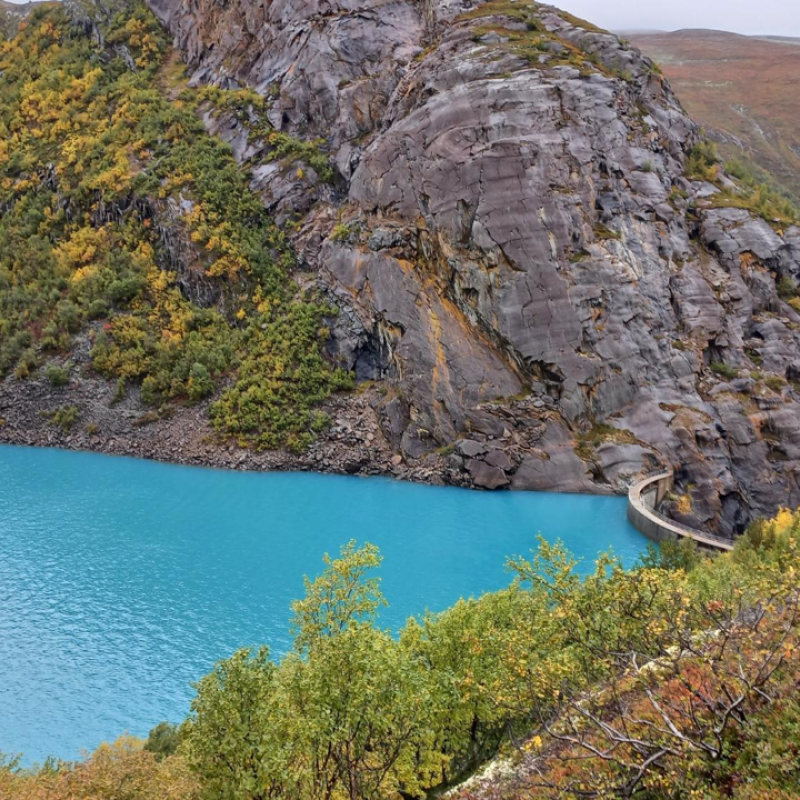
WatNEX: A water-energy-food nexus assessment of climate change impacts on biomass and hydropower resources
A water-energy-food nexus assement of climate change impacts on biomass and hydropower resources (WatNEX). The main objective of the project is to develop methods to assess climate change impacts on water resources considering “in parallel” changes and feedbacks in energy and biomass sectors. We will work on Water-Energy-Food Nexus system understanding in Norway, and assess impacts of climate change and future scenarios considering SSPs and stakeholder information.
Division of Environment and Natural Resources
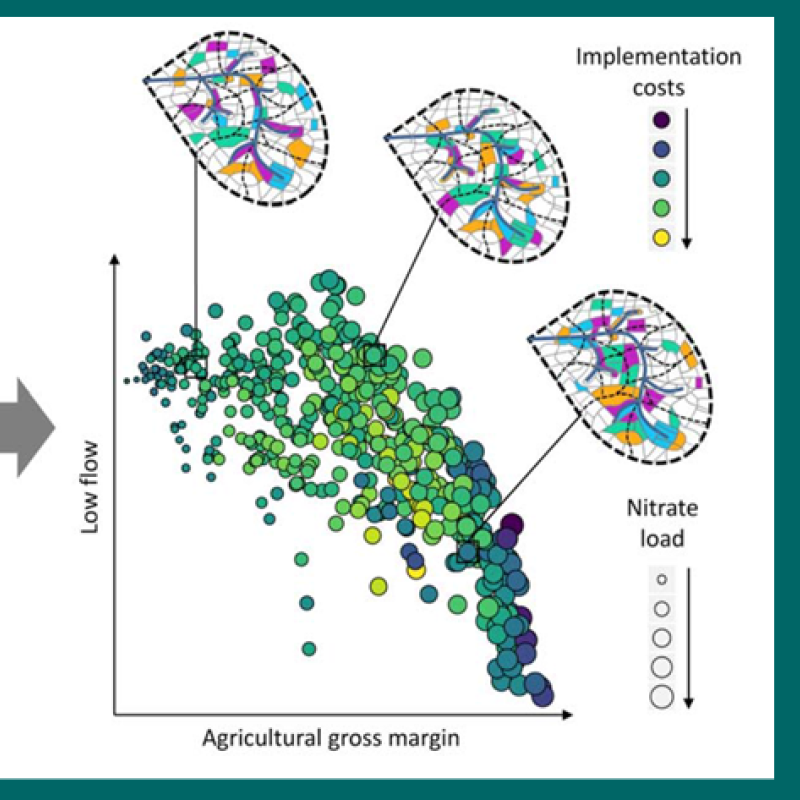
OPTAIN: Optimal strategies to retain and re-use water and nutrients in small agricultural catchments
OPTAIN proposes a social and scientific journey toward the increasing and better understanding of the multiple benefits of Natural/Small Water Retention Measures (NSWRM). The Norwegian case study area, Kråkstadelva catchment, is located within the Hobølelva watershed 30 km S-SE of Oslo.