Division of Forest and Forest Resources
SenseWood
End: dec 2029
Start: jan 2026
SenseWood aims to make wood a reliable, climate-smart building material by expanding digitalisation beyond construction into the operation and maintenance phases of buildings.
Project participants
Ingunn Burud Thomas Kringlebotn Thiis Arnkell Jonas Petersen Kristian Hovde Liland Andreas Svarstad Flø Lone Ross Kathrine Torday Gulden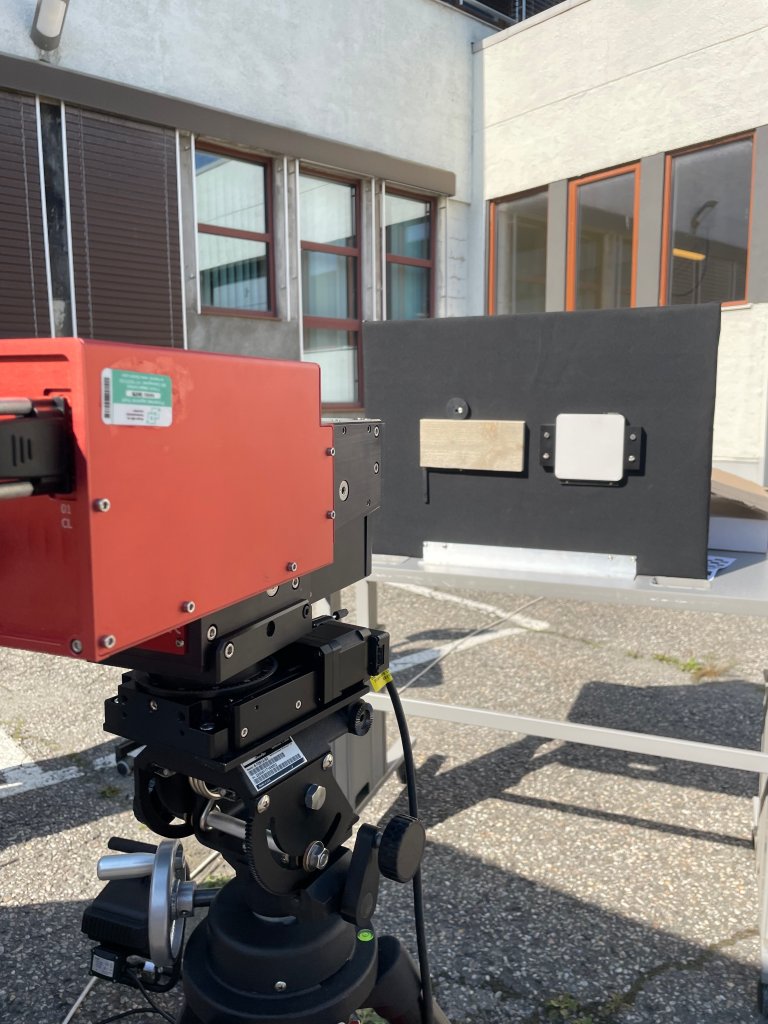
| Status | Active |
| Start - end date | 01.01.2026 - 31.12.2029 |
| Project manager | Michael Altgen |
| Division | Division of Forest and Forest Resources |
| Department | Wood Technology |
| Partners | NIBIO and Norwegian University of Life Sciences (NMBU) |
| Funding source | Forskningsrådet |
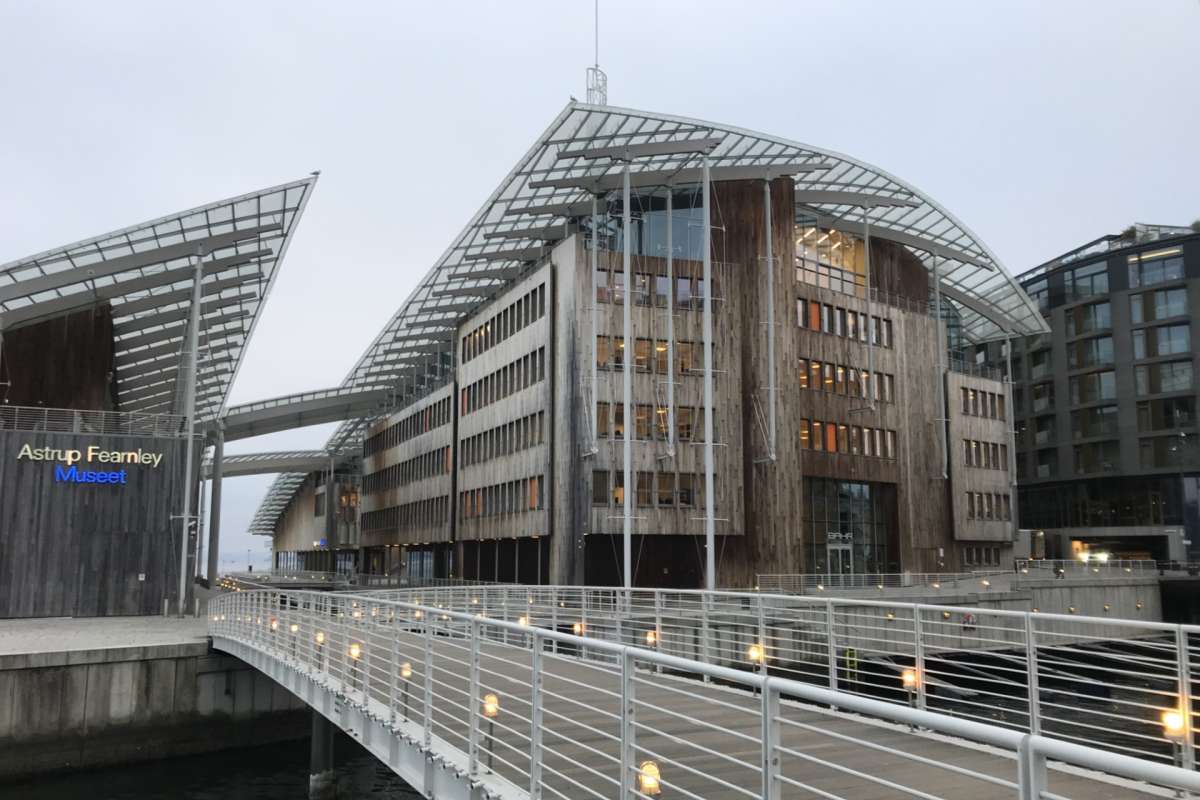
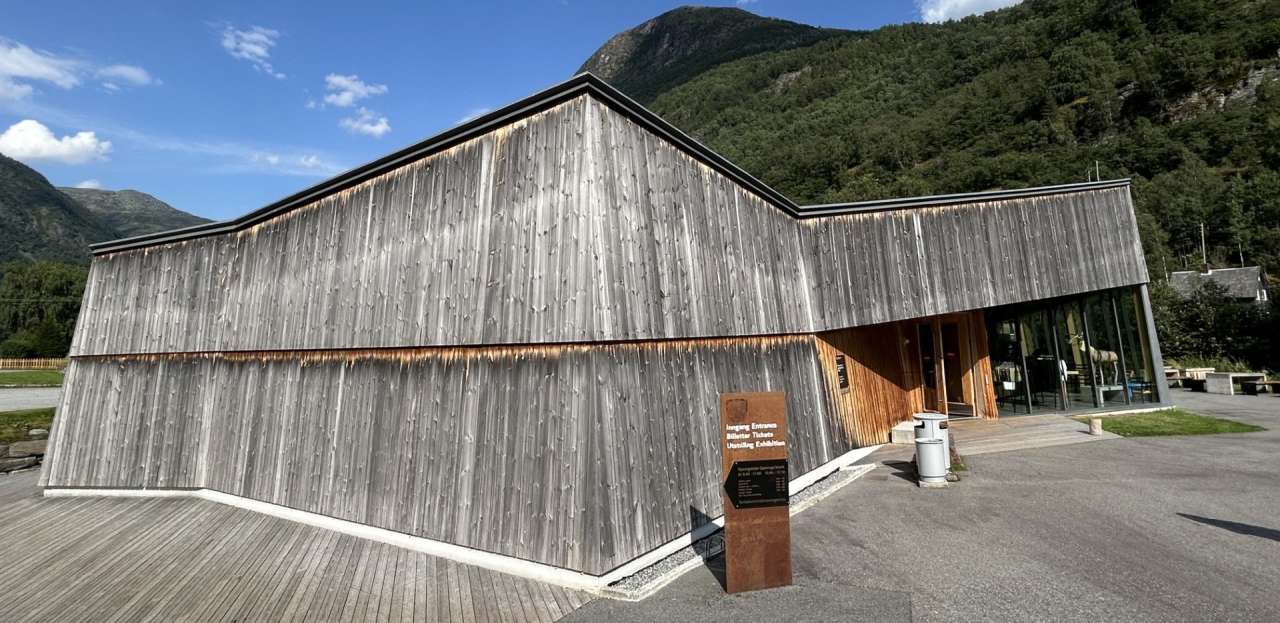
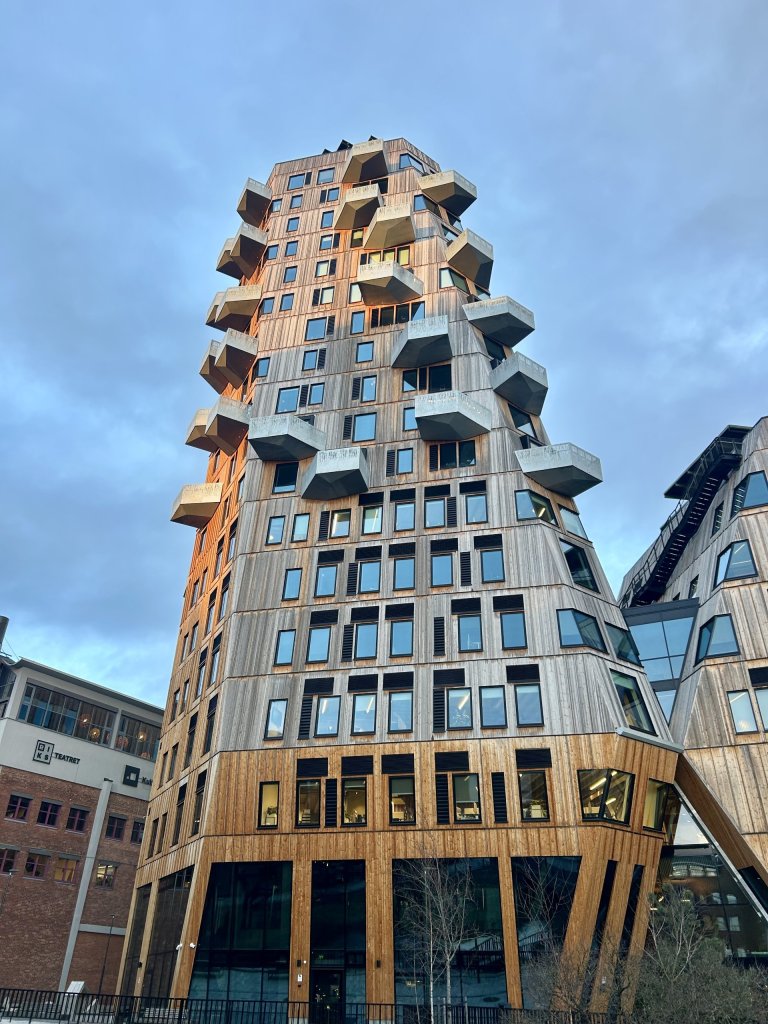
Buildings account for more than a third of global carbon emissions, so shifting to renewable materials is essential for a sustainable future. Wood is a promising option because it stores carbon and can make buildings long‑term carbon sinks. This has renewed interest in timber construction, even for multi‑storey buildings. Yet wood is vulnerable to weathering, fungal attack, and loss of fire protection. Facades are especially at risk, and in tall buildings, inspection and maintenance are costly, difficult, and sometimes unsafe. If degradation goes unnoticed, service life shortens, stored carbon is released, and fire risks increase.
The project Digitalisation of wooden building skins for a predictable performance (SenseWood) addresses these challenges by combining remote sensing and digital technologies. Using hyperspectral cameras that can be mounted on drones, we will scan wooden facades to detect early signs of damage, moisture, fungal growth, or loss of fire‑retardant chemicals. This microscale data will feed into climate models that simulate wood performance across entire facades with unprecedented accuracy. This combination will allow us to:
- Automatically identify risk areas in existing facades for targeted maintenance.
- Classify materials before dismantling to optimise reuse and recycling.
- Simulate performance during design, guiding architects toward safer, more sustainable choices.
As a result, SenseWood aims to make wood a reliable, climate-smart building material by expanding digitalisation beyond construction into the operation and maintenance phases of buildings.
Work packages in SenseWood
WP1: Wood performance monitoring using hyperspectral imaging (NIBIO, Michael Altgen)
WP2: Microclimate modelling and performance simulation (NMBU, Thomas K. Thiis)
WP3: Façade inspection on multi-storey buildings (NMBU, Ingunn Burud)
WP 4: Project management, communication, and dissemination (NIBIO, Michael Altgen)