Warmer climate brings more aphids to Norway – can nature help fight them?
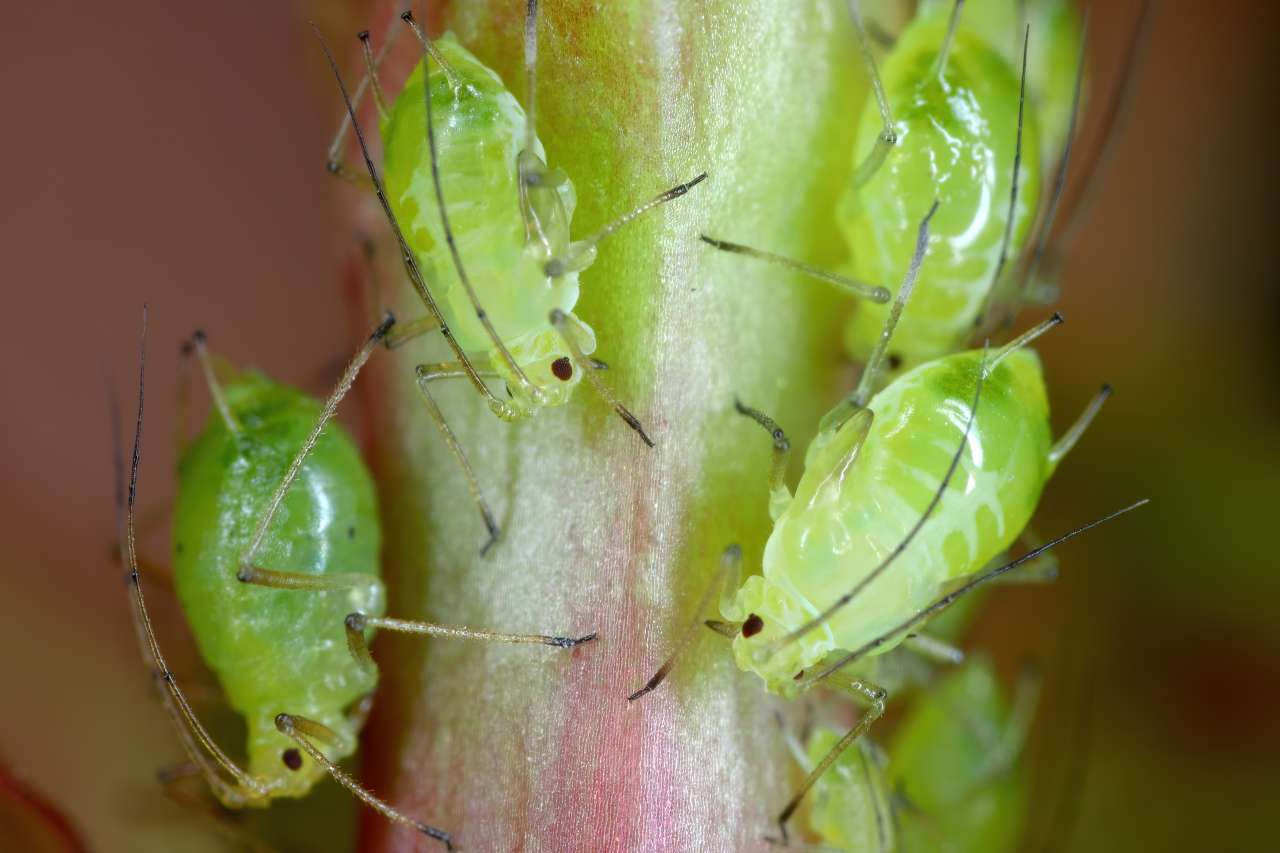
Adult aphids on a green leaf. Photo: Tomasz Klejdysz / iStock
Warmer summers are improving growing conditions for both vegetables and pests in Norway. NIBIO is now investigating whether nature’s own enemies can replace some chemical pesticides.
Climate change is reshaping the rules of Norwegian vegetable production. Higher temperatures bring a longer growing season. They also increase drought stress and create better conditions for aphids and other pests. As the use of chemical pesticides is being reduced, the need for alternative solutions is increasing. Aphids are already among the most important pests in Norwegian vegetable crops, and a warmer climate may worsen the problem. Researchers at NIBIO are now examining how a warming climate affects both aphids and their natural enemies—and whether biological control can become an important tool in future vegetable production.
A growing problem
“In this project, we focus on aphids,” says Anne Muola, a researcher at NIBIO in Tromsø.
“The aphid group includes both species that have been present for a long time and species that are either new or moving north from Central Europe. We are seeing increasing problems in the field, but it is difficult to say how much is due to fewer available pesticides and how much is linked to climate change. Most likely, it is a combination of both,” Muola says.
She explains that aphids are among the pests that respond most rapidly to temperature changes, and that many vegetable producers are already reporting increasing challenges.
“That’s why we need basic knowledge: What is the situation today? What has happened over the past ten years? And what can we expect in the future?” As temperatures rise, aphids develop faster. Warmer spring and summer temperatures can lead to more generations within a single season, greater spread, and higher damage potential,” she says.
New species
Climate change may also open the door for new aphid species to spread northwards. This could have major consequences for the production of vegetables, fruit, and ornamental plants, both in open fields and in greenhouses.
“So far, Norway has had fewer problems than regions farther south in Europe, but that may change. In greenhouses, the effects of climate change are smaller, while the consequences in open fields could be significant. Milder winters may allow new species to establish, as cold temperatures no longer provide an effective barrier,” Muola explains.
She points to experiences from both Norway and Central Europe, where aphids not only cause damage by sucking plant sap, but also spread plant diseases.
“Many aphids cause little direct economic damage, but they can transmit viruses. For example, aphids rarely cause major direct damage to potatoes, but just a few individuals can transmit viruses that later cause serious damage in potato fields. Climate change may increase this risk,” she says.
Not black and white
The relationship between climate change and aphids is not straightforward. A longer growing season and milder winters may lead to higher abundance, but the effect is not linear. Different species respond differently, and changing winter conditions may also reduce overwintering success for some aphids.
“Long-term studies from Europe show a general trend: As temperatures rise, aphids appear earlier in the season, and new species establish themselves. At the same time, we see large local variation that cannot be explained by weather and temperature alone. Many factors are involved,” Muola says.
The goal of the research is to provide knowledge that can make vegetable production more resilient.
Natural enemies
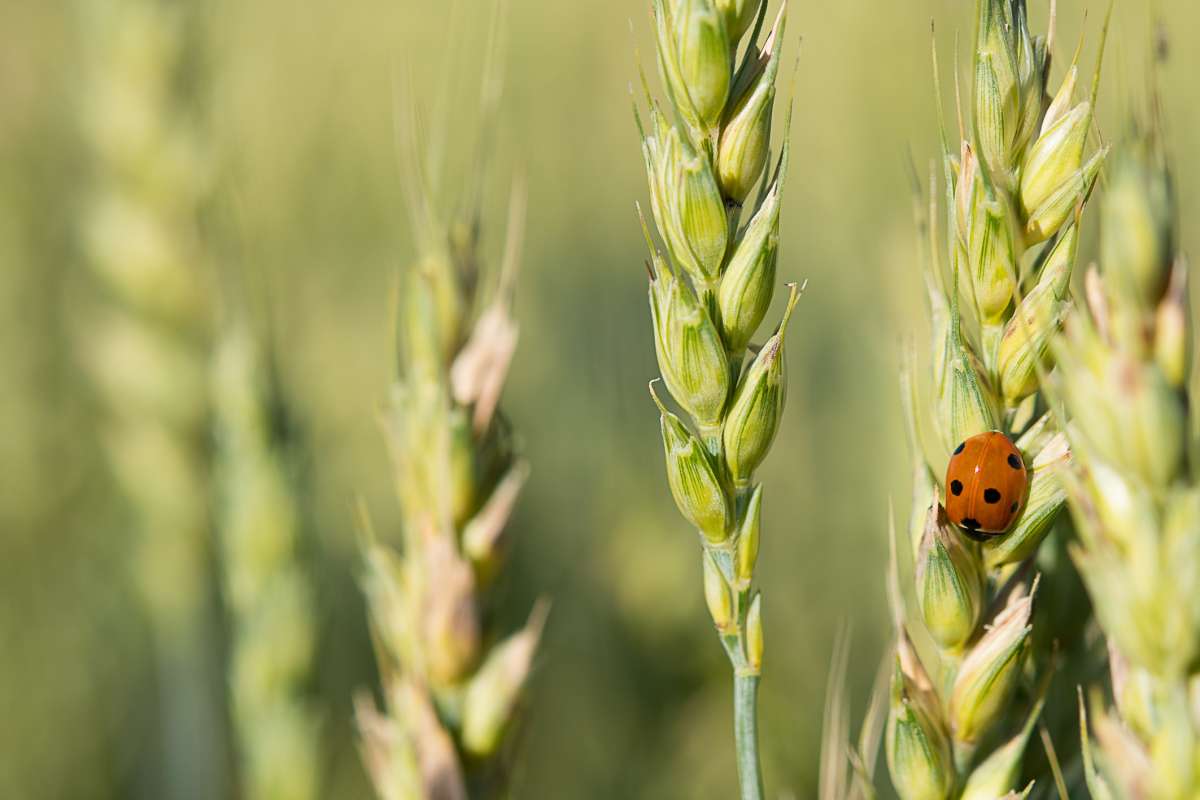
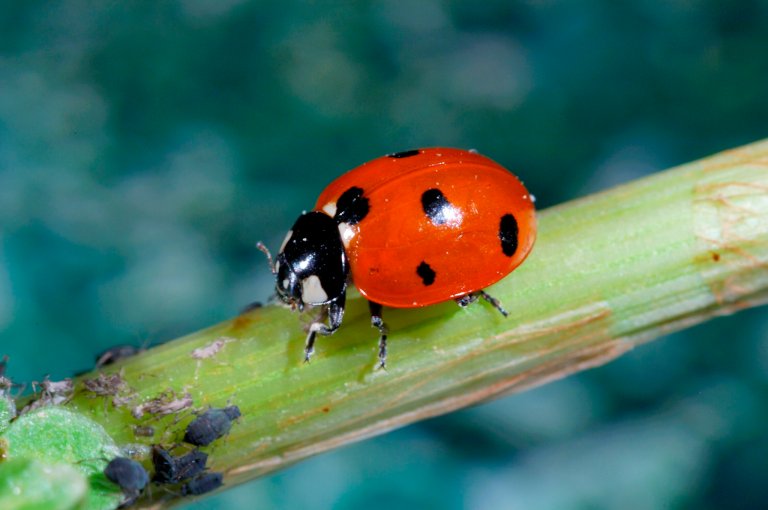
Aphids’ natural enemies play a crucial role in keeping pest populations in check. Insects such as parasitoid wasps, ladybirds, lacewings, and predatory gall midges contribute to natural regulation and provide an important ecosystem service: biological control.
“Aphids are a complex pest group, but measures that support natural enemies will become an increasingly important tool in the future, especially as fewer chemical pesticides are available,” Muola says.
At the same time, natural enemies are also affected by climate change.
“Changes in temperature and weather can disrupt the interactions between pests and their enemies, making the overall picture more complex,” she explains.
For this reason, NIBIO researchers will investigate how climate change affects both aphids and their natural enemies in Norway—and what this means for the potential of biological control in future vegetable production.
“In particular, we will look at how to better facilitate conditions so that natural enemies already present in nature can thrive in cropping systems,” Muola says.
Different measures
Muola notes that alternative measures against aphids already exist, and that trials with low-risk products have been conducted.
“In addition, flower strips and field margins can be used to attract beneficial insects such as predators and parasitoids.”
Parasitoids are small insects that lay their eggs in or on other insects. The larvae then develop by consuming the host, thereby naturally keeping pest populations under control.
“We also use data from a NIBIO project on cereals and model the interactions between aphids and their natural enemies. This helps us understand which factors most strongly influence the dynamics and allows us to improve models for future use.”
The researchers are also building their knowledge base through literature reviews, experience from the Norwegian Agricultural Extension Service, and discussions with colleagues in Sweden and Denmark.
“They are a bit ahead of us in terms of temperature development and can give us an indication of what to expect here in a few years. We will also draw on experiences from the Netherlands, northern France, and Germany. Even though conditions in Norway will only resemble theirs over time, this work is about building knowledge and networks with advisers and producers,” Muola points out.
Species identification
“The aphid problem is familiar to ‘everyone,’ but the big question is which species are actually involved,” Muola says.
“Few people can identify aphid species, and different species can cause very different levels of damage. We see many aphids in the field, but which species are they really? For swede and other vegetables, we know something about damage potential, but systematic assessments are lacking,” she explains.
“For the future, we need better knowledge to be prepared—both to evaluate different plant protection measures and to identify species. Traditional species identification takes time and is costly, but methods such as DNA barcoding can be used in studies that require analysis of large numbers of samples,” Muola concludes.
Contacts

Anne Muola
Research Scientist
-
Division of Biotechnology and Plant Health
(+47) 413 74 516 anne.muola@nibio.no Office Location: Tromsø
Contacts
Anne Muola
Research Scientist
-
Division of Biotechnology and Plant Health
(+47) 413 74 516 anne.muola@nibio.no Office Location: Tromsø
.jpg?quality=60)