
Black currants: small berries with big content
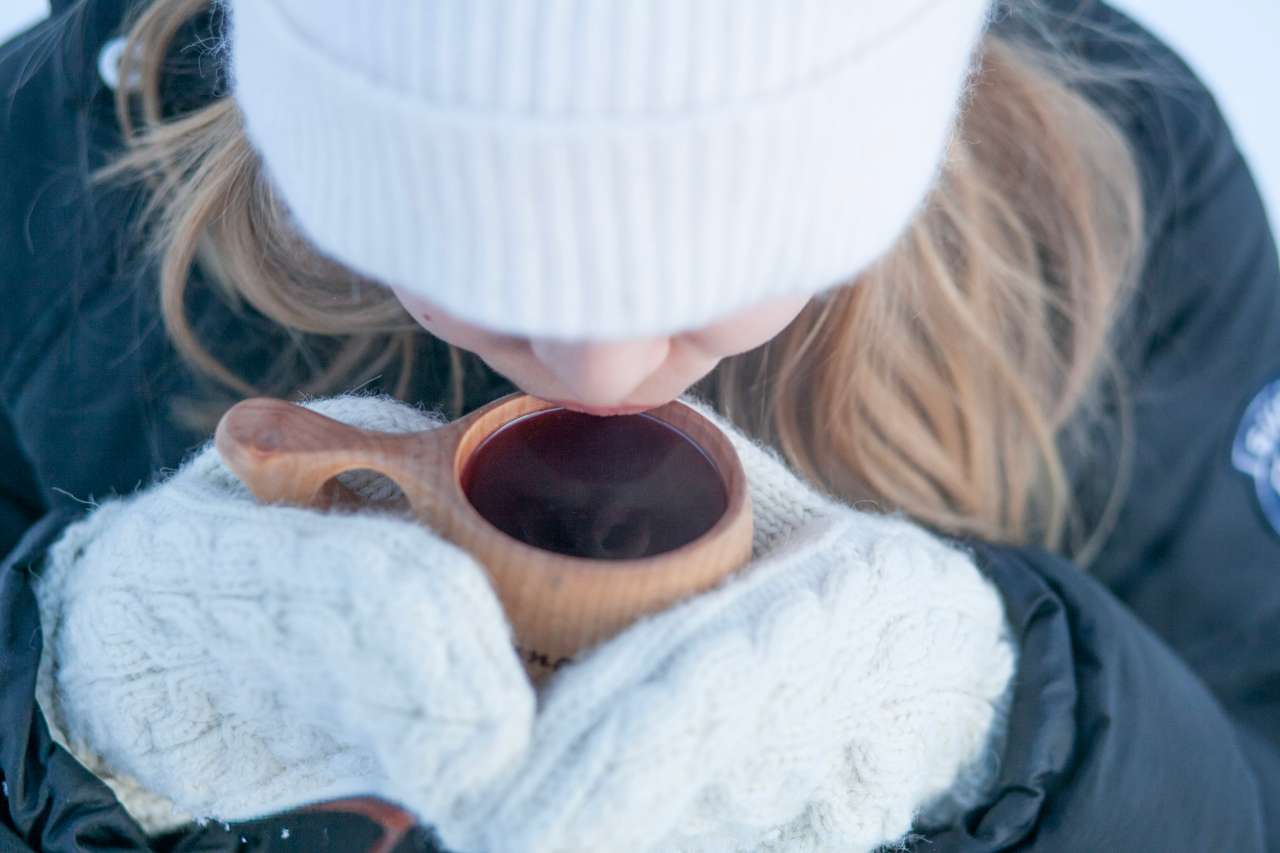
Hot black currant toddy was long a classic drink in the Norwegian winter mountains. Photo: Anne Linn Hykkerud
Black currants still hold a natural place in many Norwegian gardens. A new report shows that the berries contain several interesting nutrients—while strict regulations limit what can be said about health effects.
A warm black currant toddy was long a classic in the Norwegian winter mountains—on par with Kvikk Lunsj chocolate and oranges. Over time, this traditional drink has faced competition from cocoa, coffee varieties, and various sports and energy drinks. Today, black currants are primarily used for industrial purposes. Most are processed into fruit syrup, jam, jelly, and marmalade, but there is also growing interest in less processed product forms, including fresh consumption.
Increased production of black currants in Norway
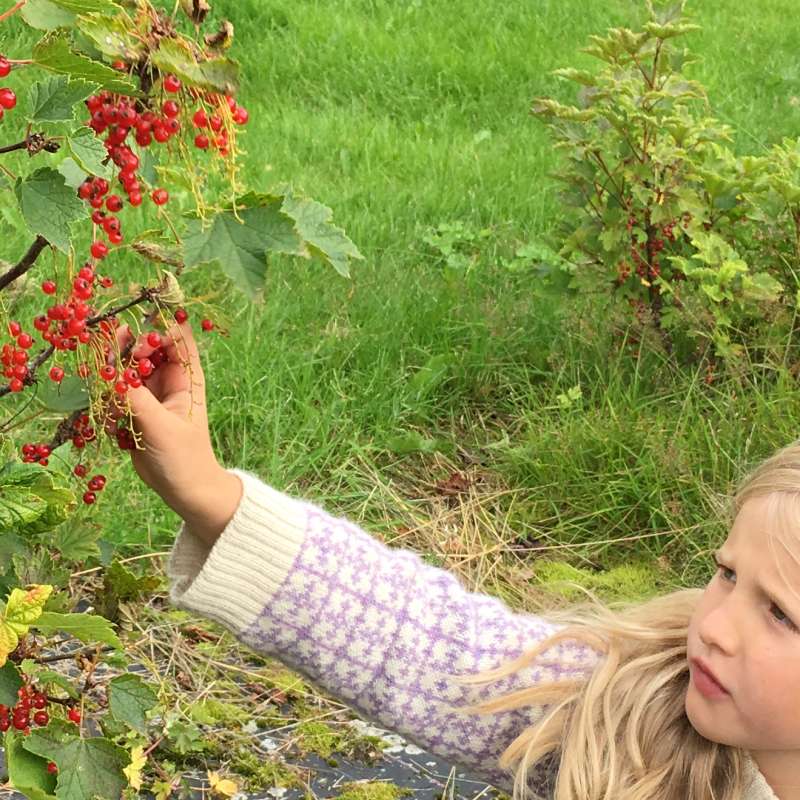
“In Norway, the cultivation area for black currants has been relatively stable over the past 30 years,” says researcher Anne Linn Hykkerud at NIBIO Tromsø. Most commercial production takes place in Innlandet County, Telemark County, and Buskerud County, but many black currants are also grown in private gardens.
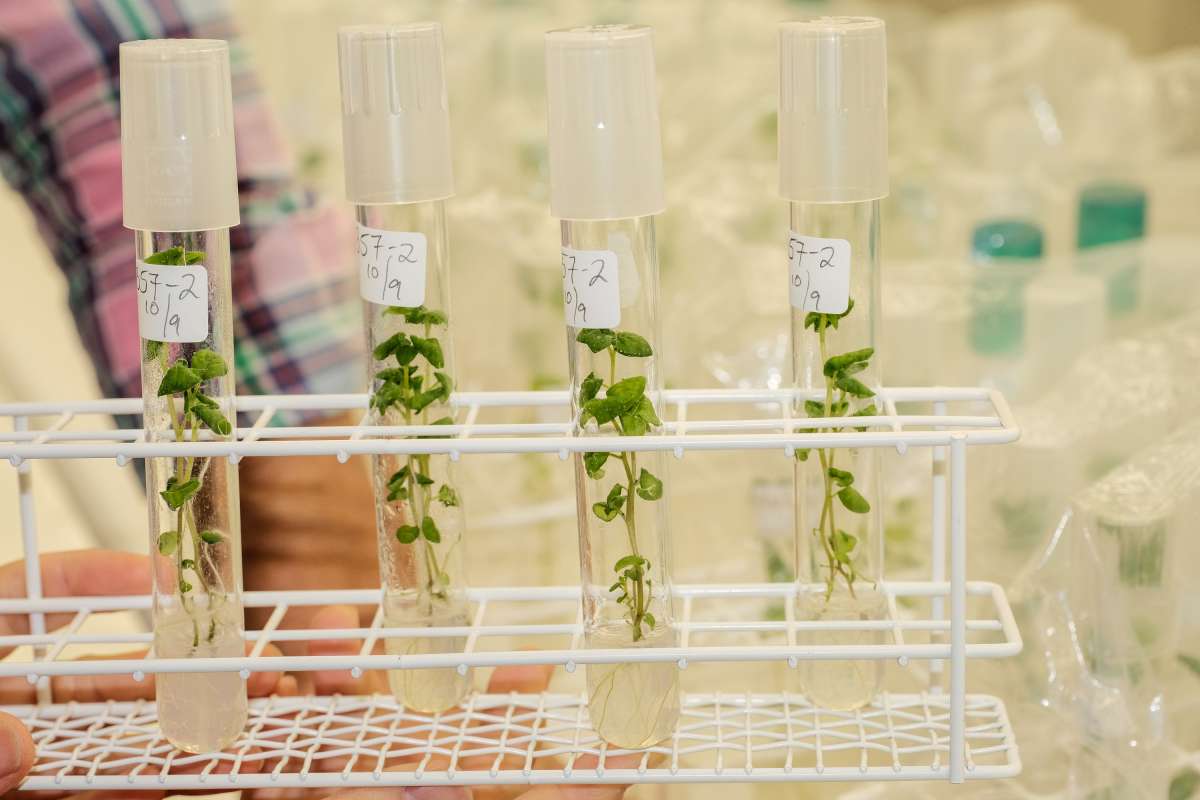
NIBIO leads RibesMAX—a research project aimed at increasing Norwegian production and value creation for black currants, redcurrants, and gooseberries. Today, Norwegian production of these species covers only 20 percent of market demand, with the rest imported.
Hykkerud explains that black currants are hardy plants that grow naturally as far north as Trøndelag county, with some wild occurrences even further north. Nevertheless, commercial black currant cultivation is a sector highly influenced by climate.
“In recent years, we’ve seen yields vary greatly from year to year. In 2025, applications for production subsidies totalled 753 tons of black currants—about twice as much as the previous year,” she says.
Rich in vitamin C and other compounds
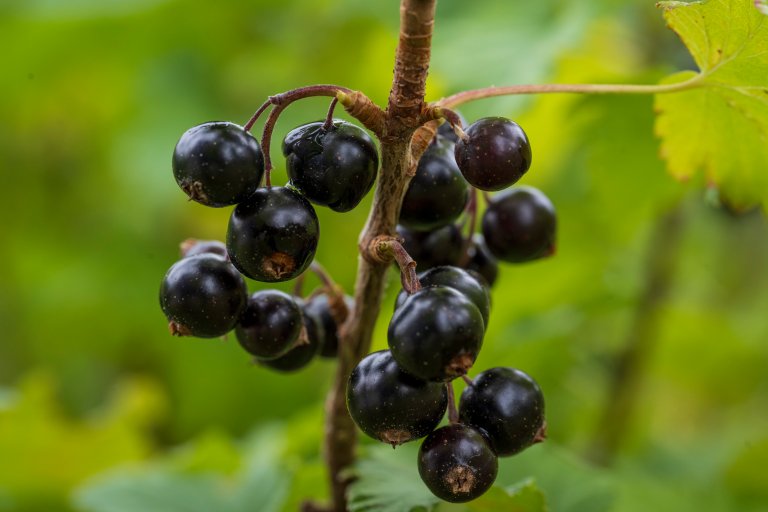
Black currants are particularly rich in vitamin C and also contain dietary fibre and various bioactive plant compounds, including anthocyanins. These substances contribute to colour, flavour, and plant properties, and have been the subject of extensive research in recent years.
NIBIO and Nofima recently published a report summarizing what is known about black currant compounds, the health effects that have been studied, and what is legally allowed in terms of health claims.
“There are strict rules regarding what can be used in marketing,” explains Hykkerud.
Lots of research—but strict rules
Numerous scientific studies have examined potential health effects of black currants and their bioactive compounds. The studies have looked at connections to a range of health outcomes, including immune function, heart health, eye health, and reduced inflammation.
Although the studies provide valuable insights and point to possible biological mechanisms, EU regulations set strict requirements for documentation. Currently, the evidence is not strong enough to support approved health claims. As a result, this information cannot be used in direct marketing black currants or black currant products.
This distinction between research and approved health claims is important: just because something has been scientifically studied does not automatically mean it can be used in marketing.
What can be communicated legally?
According to Hykkerud, it is perfectly legal to share knowledge about black currants based on scientific literature, for example through reports and professional articles, as long as one does not promote specific health claims or imply that one black currant product is healthier than another.
“Vitamin C is the nutrient in black currants with the best-documented health effects. Therefore, black currants can be marketed with the nutrition claims ‘source of vitamin’ and ‘high in vitamin C.’ Whole black currants can also be described as a ‘source of dietary fibre,’ which is relevant in a diet where many people consume less fibre than recommended.
“It is also permissible to inform that black currants are rich in anthocyanins and other bioactive plant compounds, as long as this is not linked to specific health effects,” the NIBIO researcher adds.
.jpg)
Part of a healthy diet
Norwegian dietary guidelines recommend that fruits, berries, and vegetables be included in all meals. Black currants fit well into this recommendation—whether as fresh berries, processed products, or as an ingredient in various dishes.
“Norwegian black currants deserve more attention than they currently receive,” says Hykkerud.
“Highlighting uses, flavour, seasonality, cultivation in Norway, and opportunities for local processing can be just as effective as focusing on individual compounds and health. For many consumers, it’s about inspiration and accessibility—how the berries can be used in everyday life.”
Small berries, big potential
Black currants are hardy plants, well-suited to Norwegian conditions, and represent exciting potential for both Norwegian agriculture and consumers seeking more variety in their diet.
“With solid knowledge and clear communication, black currants can take a bigger place on Norwegian plates—without promising more than research can document,” Hykkerud concludes.
Contacts

Anne Linn Hykkerud
Research Scientist
-
Division of Food Production and Society
(+47) 415 16 435 anne.linn.hykkerud@nibio.no Office Location: Tromsø
Facts about RibesMAX
RibesMAX is a NIBIO-led research project (2025–2028) aimed at increasing Norwegian production and value creation for black currants, red currants, and gooseberries. Currently, Norwegian production of these Ribes species covers only 20 percent of market demand.
Key focus areas of the project include:
- Climate-adapted varieties for different regions
- Improved plant health and reduced yield losses
- Increased value creation and product development
- Economically sustainable production for fresh consumption and processing
- Knowledge dissemination to producers and the industry
Duration: January 1, 2025 – December 31, 2028
Project Leader: Anita Sønsteby, NIBIO
The project involves collaboration between NIBIO, producers, the processing industry, and the Norwegian Agricultural Advisory Service.

.jpg)
Contacts
Anne Linn Hykkerud
Research Scientist
-
Division of Food Production and Society
(+47) 415 16 435 anne.linn.hykkerud@nibio.no Office Location: Tromsø
Publications
Abstract
Rapporten gir en oversikt over næringsinnhold og innholdsstoffer i Ribes, regler for ernærings- og helsepåstander og mulige ernærings- og helsepåstander på Ribes, samt en gjennomgang av litteraturstudier på helseeffekter av solbær. Solbær er rike på vitamin C og fiber, samt bioaktive plantestoffer som anthocyaniner (fargestoffer i bær). Ernæringspåstandene «kilde til vitamin» og «høyt innhold av vitamin C» kan brukes om solbær, og hele bær kan omtales som «kostfiberkilde». Ellers er det ingen tillatte ernæringspåstander på solbær. Det finnes ingen godkjente helsepåstander for solbær eller innholdsstoffer i solbær, bortsett fra på vitamin C, som har flere godkjente helsepåstander knyttet til bl.a. kollagendannelse, immunforsvar og nervesystemet. Mange studier har vist helseeffekter av solbær, for eksempel er det vist at solbær og anthocyaniner kan bidra til bedre hjertehelse, blodsukkerkontroll, kognitiv funksjon og fysisk prestasjon, men det er ikke tilstrekkelig dokumentert til at det har fått en godkjent helsepåstand. Det er derfor ikke tillatt å bruke denne informasjonen i kommersiell kommunikasjon i tilknytning til solbær eller solbærprodukter. Den beste måten å markedsføre Ribes på som sunne produkter, kan være ved å henvise til kostrådene som anbefaler at frukt og bær og grønnsaker bør være en del av alle måltider.

.jpg?quality=60)