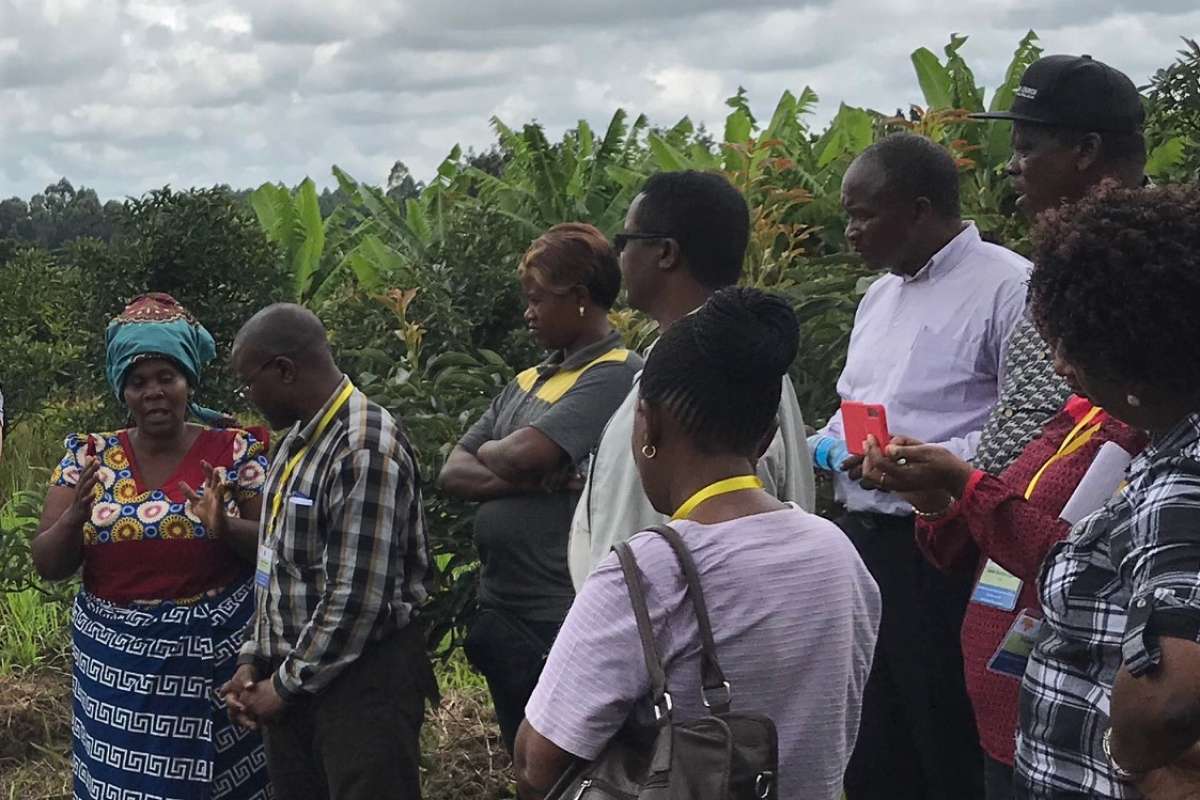
En route towards greener charcoal Published: 25.02.2019 (older than 5 years) From agricultural residues to charcoal briquettes: Biofuel4Kenya is contributing to the development of a sustainable alternative to wood charcoal in Kenya.
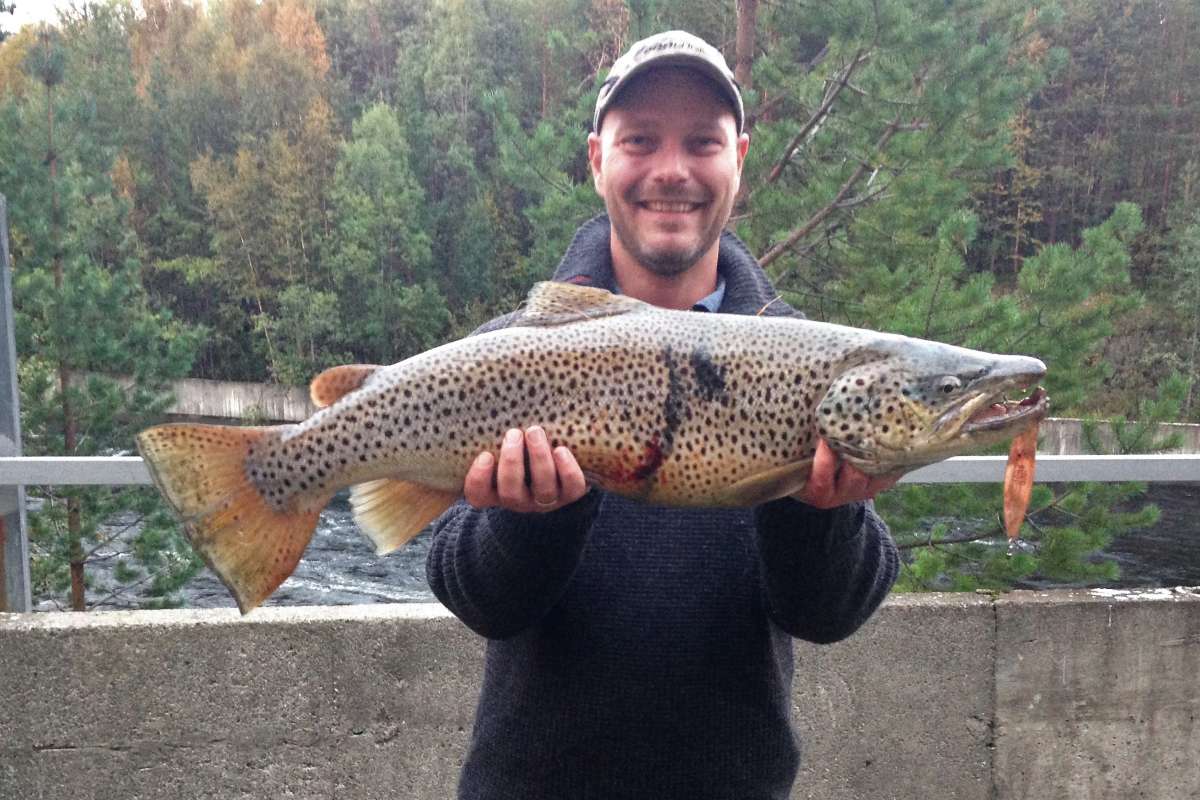
Mapping the trout in the Pasvik River Published: 25.02.2019 (older than 5 years) As part of Norwegian-Russian collaboration in the border region, researchers are mapping the trout stocks in the Pasvik River.
How many trees can Norway cut down? Published: 22.02.2019 (older than 5 years) In a collaboration with the Norwegian Environment Agency, NIBIO has performed extensive calculations as a basis for how to incorporate forestry in the climate agreement between Norway and the EU.
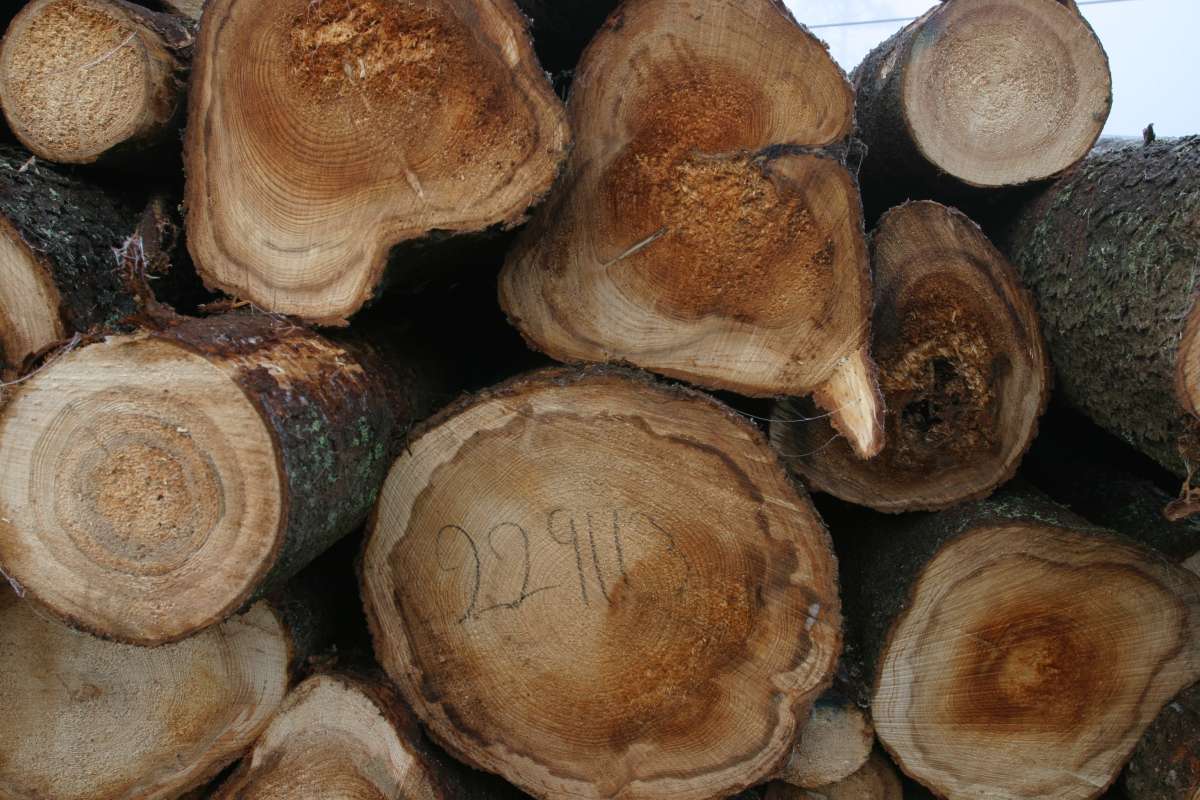
Precision forestry could reduce rot damage Published: 15.02.2019 (older than 5 years) By the time of final harvest, every 5th spruce tree is affected by a wood decay fungus that causes root and stem rot. This results in enormous losses for the forest owner. Digital data from felling machinery, satellites, planes and drones could help forest management planning control this problem.
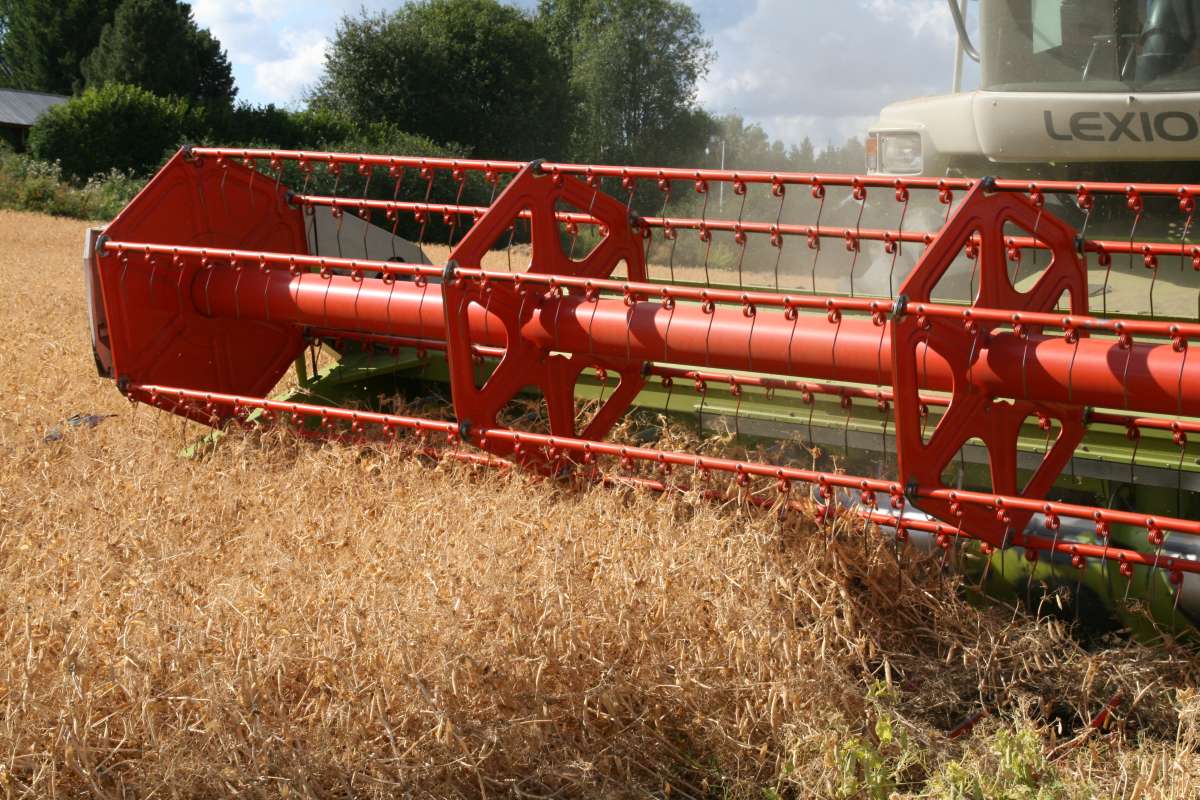
Can we produce more plant protein for food? Published: 10.02.2019 (older than 5 years) Norway is a grassland with huge wilderness resources, but we also have significant land areas on which we can produce grains and vegetables. Is it possible to increase the production of plant protein nationally, or do we have to rely on imports?
Cow dung, fish sludge and food waste as fuel Published: 08.02.2019 (older than 5 years) Biogas is produced when animal manure, food waste and fish sludge break down. The main ingredient is the much-discussed greenhouse gas, methane. By recycling this kind of biological waste in a biogas reactor, the highly flammable properties of methane can be used to replace fossil energy.
Development may reduce heatwave impact Published: 29.01.2019 (older than 5 years) A new study published in Nature Communications suggests that global warming of 1.5 or 2°C will lead to more intense and frequent extreme heatwave events. Increased socio-economic development can, however, help reduce their impact on society in low development countries.
With an aim to improve the farmer’s gold Published: 22.01.2019 (older than 5 years) Using livestock feces for fertilizer is nothing new. We are familiar with the whiff of the ‘farmer’s gold’ every spring in the countryside. Now researchers believe that there is also enormous unused potential in fish sludge and food waste, which contain nutrients that can be harvested.
More accurate climate policy Published: 21.01.2019 (older than 5 years) NIBIO is part of a massive project that could result in more accurate climate policy
Satellite data may help farmers cope with too little or too much water Published: 07.01.2019 (older than 5 years) How much water does the soil contain? Whether it is too much or too little, it is crucial for farmers to know. Real soil moisture measurement, combined with information obtained using drones and satellite images may provide some answers.
Cooperation to conserve spruce genes Published: 04.01.2019 (older than 5 years) Eight conservation stands for genetic resources in Norway spruce have been established in Eastern Norway. These could be of great importance.
Learning from decay fungi Published: 02.01.2019 (older than 5 years) Logs could soon be turned into pig feed, food stabilizers and much more.