

Projects
NIBIO is a project driven research institute and collects approximately 400 million NOK annually in project funding from both national and international sources. A lot of activity is carried out through EU and EEA-projects and we also participate in research projects in Asia, Africa and Latin America. NIBIO coordinates several large international projects with a particular focus on food security and climate change. The list of projects is not complete.
Division of Environment and Natural Resources
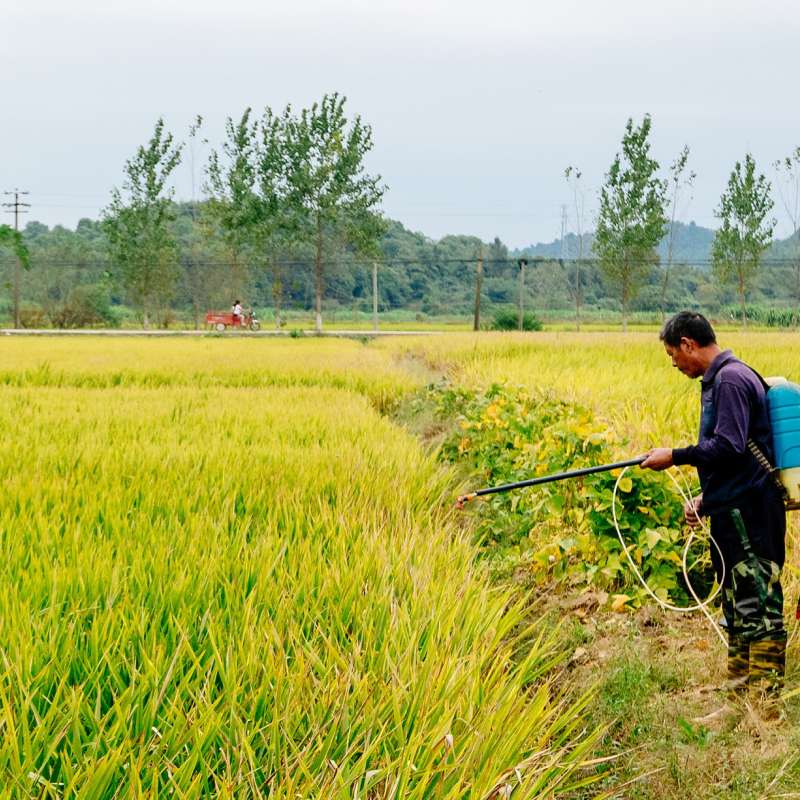
SINOGRAIN II
Scientists from NIBIO and CAAS are working together using innovative technologies in order to improve productivity, food safety and sustainability in Chinese agriculture.
Division of Food Production and Society
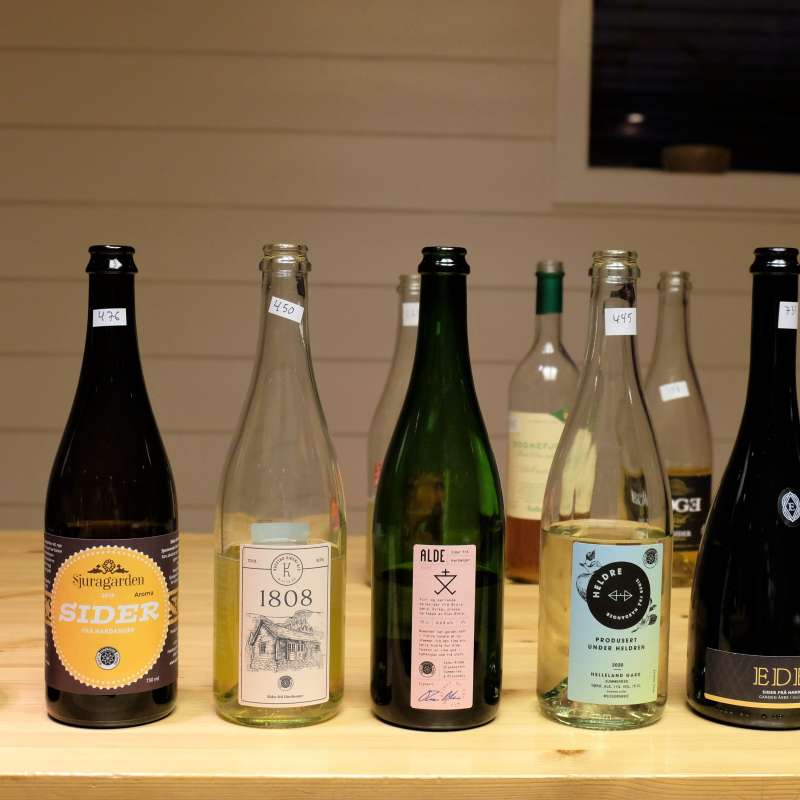
Uncorking wine & cider typicality
Uncorking rural heritage: indigenous production of fermented beverages for local cultural and environmental sustainability is funded by Iceland, Liechtenstein and Norway
Division of Biotechnology and Plant Health
Learning-by-doing - transfer of know-how in monitoring tree vitality. Czech-Norwegian cooperation in forestry education
Forests cover about one third of Europe’s total land area and provide diverse benefits to European citizens. However, this is changing dramatically as European forests face devastating losses caused by global change and emerging pests and pathogens. These threats cause severe habitat loss, reductions in forest carbon sink strength and biodiversity, economic losses to the forestry sector, and subsequent socioeconomic impacts (including reductions of most types of ecosystems services). Forest health is a “hot topic” and there are often opposing groups dominating the public debate, usually based on subjective assessments. In modern forestry we already have several recently developed instrumental techniques that give precise, objective measurements of different vital functions in trees. The aim of our project is to motivate and teach forestry students to take science-based decisions regarding the future of European forests by introducing them to direct, hands-on experience with the latest vitality monitoring equipment for forest trees. We will select experimental sites both in the Czech Republic and in Norway, install state-of-the-art monitoring equipment and measure key tree vitality functions. Students will be involved in site-selection, installation of equipment, measurements, data interpretation and communication of the results. By giving the students direct hands-on experience with the latest equipment, they will get access to objective data sets, develop their ability to interpret data, and learn how to communicate their findings to the public. In addition to student’s theses based on the obtained data, we will provide students with a global overview of state-of-the-art methods to assess forest health. This will increase the students’ ability to make sound management decisions in the future. Finally, the project will strengthen international cooperation on the vital topic of forest health.