Division of Biotechnology and Plant Health
Diversity Oats - A more sustainable Norwegian oat industry by increased genetic diversity and diversified food products
Print
NIBIO is a project driven research institute and collects approximately 400 million NOK annually in project funding from both national and international sources. A lot of activity is carried out through EU and EEA-projects and we also participate in research projects in Asia, Africa and Latin America. NIBIO coordinates several large international projects with a particular focus on food security and climate change. The list of projects is not complete.
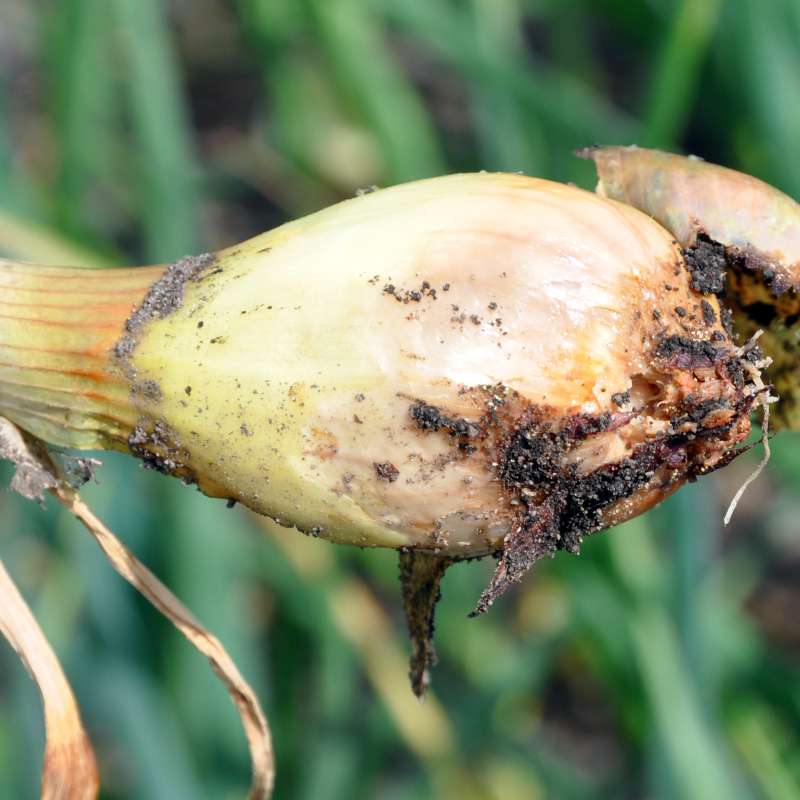
Onion fly and Fusarium basal rot represent major threats for sustainable Norwegian onion production. There are substantial gaps in our knowledge regarding these pests such as which Fusarium species infect onions in Norway, what are the main sources of Fusarium inoculum, and how onion fly prevalence is changing through the growing season.
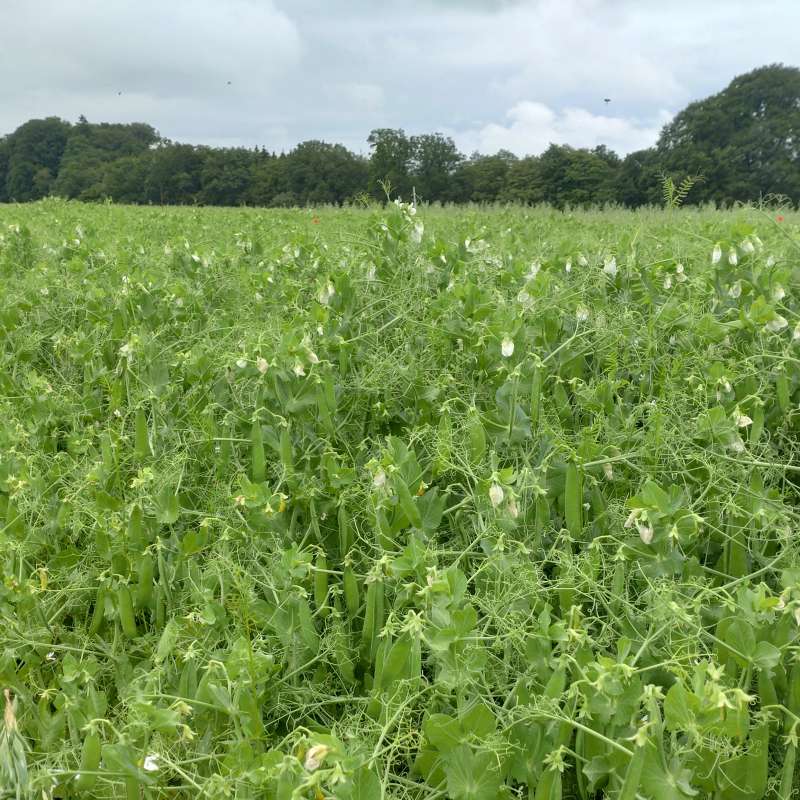
LeFaSus seeks to identify the most important causes and indicators of legume fatigue in several European countries.
Regenerative agriculture is referred to as a bridge between organic and conventional agriculture and has received increased attention in recent years. Regenerative agriculture focuses on soil health and cultivation measures that can stimulate soil life and plant growth. An improvement in soil health is visualized, among other things, in increased carbon storage in the soil, limited soil compaction and increased microbiological diversity. The methods used to improve soil health within cereal cultivation may include crop rotation, reduced tillage, intercropping, use of catch crops and surface composting where plant residues are mixed into the top-soil layer.