Division of Survey and Statistics
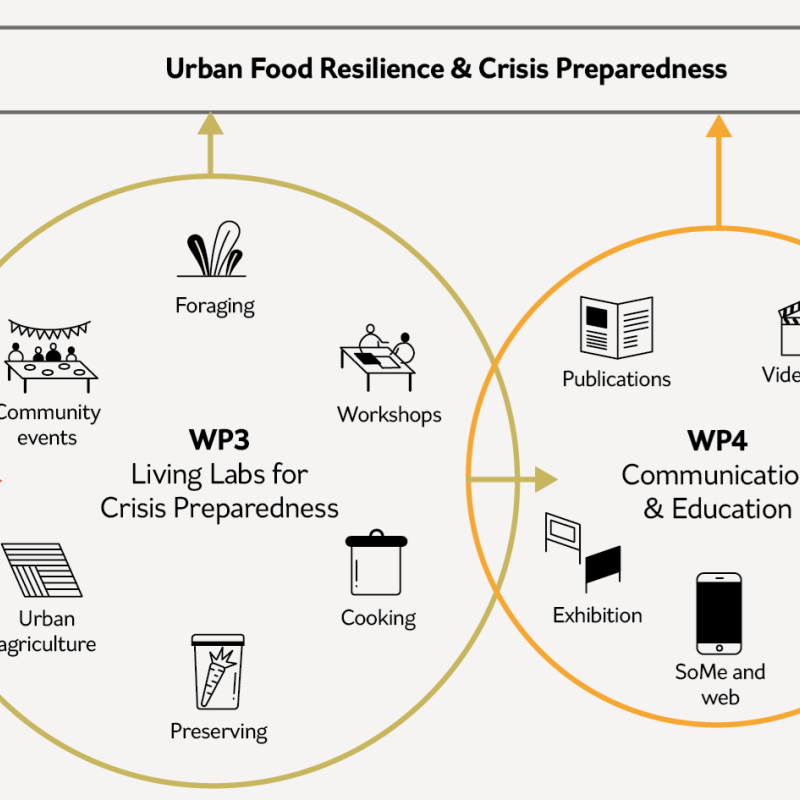
Building resilience through urban agriculture and foraging: individual, collective and public preparedness (BestPrepared)
How can we strengthen societal preparedness through urban agriculture and foraging?
 Print
Print
NIBIO is a project driven research institute and collects approximately 400 million NOK annually in project funding from both national and international sources. A lot of activity is carried out through EU and EEA-projects and we also participate in research projects in Asia, Africa and Latin America. NIBIO coordinates several large international projects with a particular focus on food security and climate change. The list of projects is not complete.
How can we strengthen societal preparedness through urban agriculture and foraging?
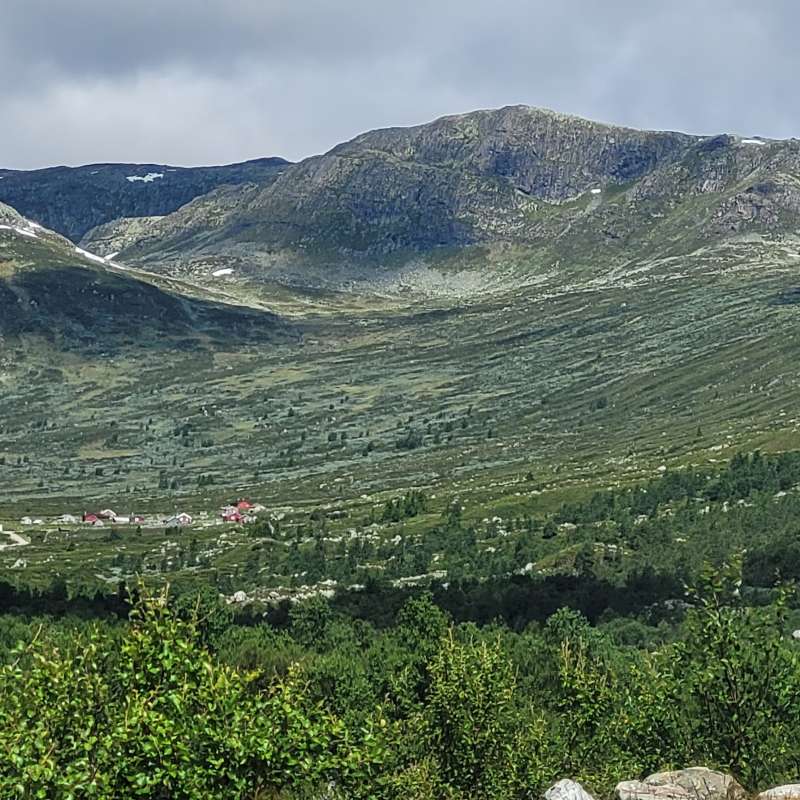
Cultural landscapes provide essential ecological and sociocultural services and contain insights needed to combat climate change, but they are vulnerable to climate change and other stressors. By examining the cultural landscapes of transhumant pastoralism in France, Norway, and Spain, we will detail climate and other threats to this intangible cultural heritage (ICH), the characteristics and factors that create adaptive capacity in these systems, and methods for sustaining ICH through community action and policy.
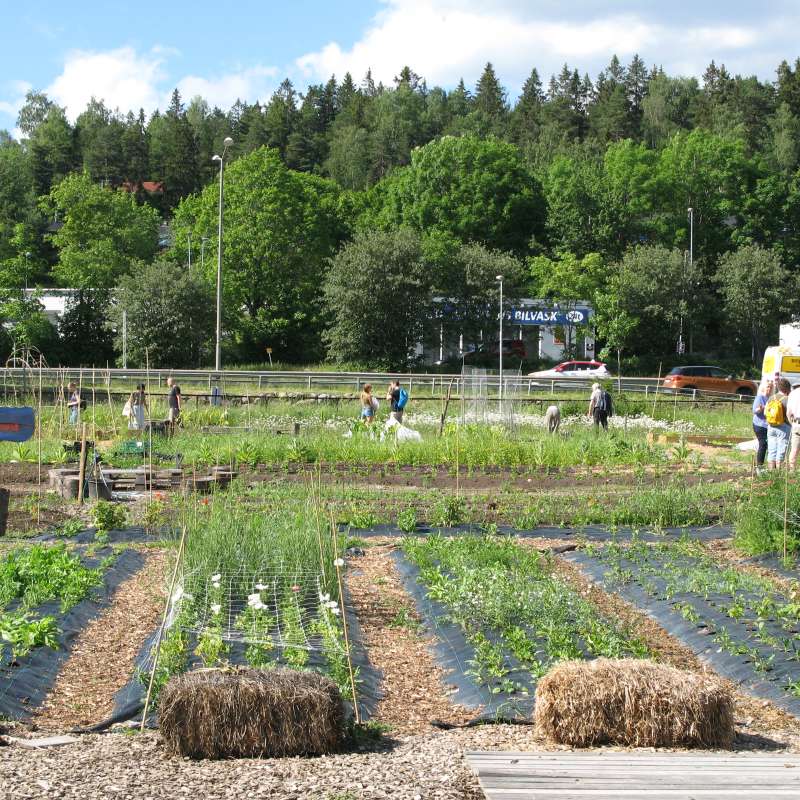
The systemic use of urban landscapes for food production is a major step towards more sustainable, liveable and healthier cities. A multitude of initiatives around the World, however fragmented, are prospering, forming a global movement of Edible Cities. Their products, activities and services – the Edible City Solutions (ECS) - empower loca lcommunities to overcome social problems by their inclusive and participatory dynamics and to create new green businesses and jobs, and thereby generating local economic growth and fostering social cohesion.
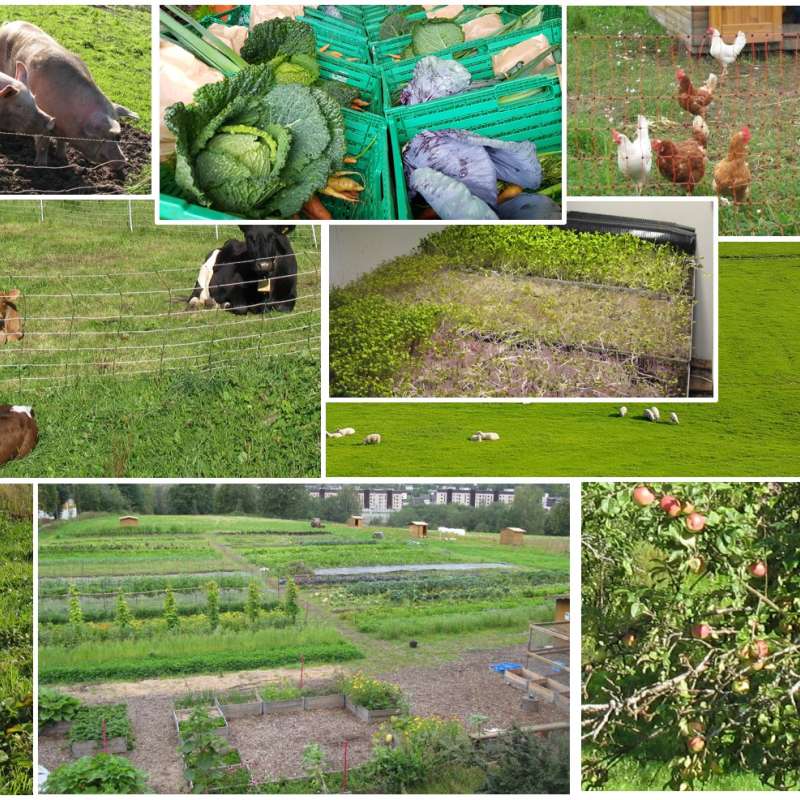
The project aims at elaborating effective strategies for professional farmers in cities and peri-urban areas to make use of the vicinity of the city to increase added value from their production in an economically, socially and environmentally sustainable way. The project shall identify land resources that are not in optimal use, and demonstrate business models that increase the use of local nutrients and of the nearby city's market and purchasing power.