Brewing climate solutions: Uncovering Ethiopia’s coffee forests
_cropped.jpg?quality=60)
Ethiopia has the last remaining natural coffee forests and the world’s only habitats with genetically diverse wild Arabica coffee populations. Photo: Environment and Coffee Forest Forum, Ethiopia
Ethiopia’s wild coffee forests, the birthplace of Arabica, face threats from deforestation, climate change, and shifts in farming practices. The CoffeeLand project explores what else these forests hold beyond coffee berries — and whether they could provide carbon income for farmers.
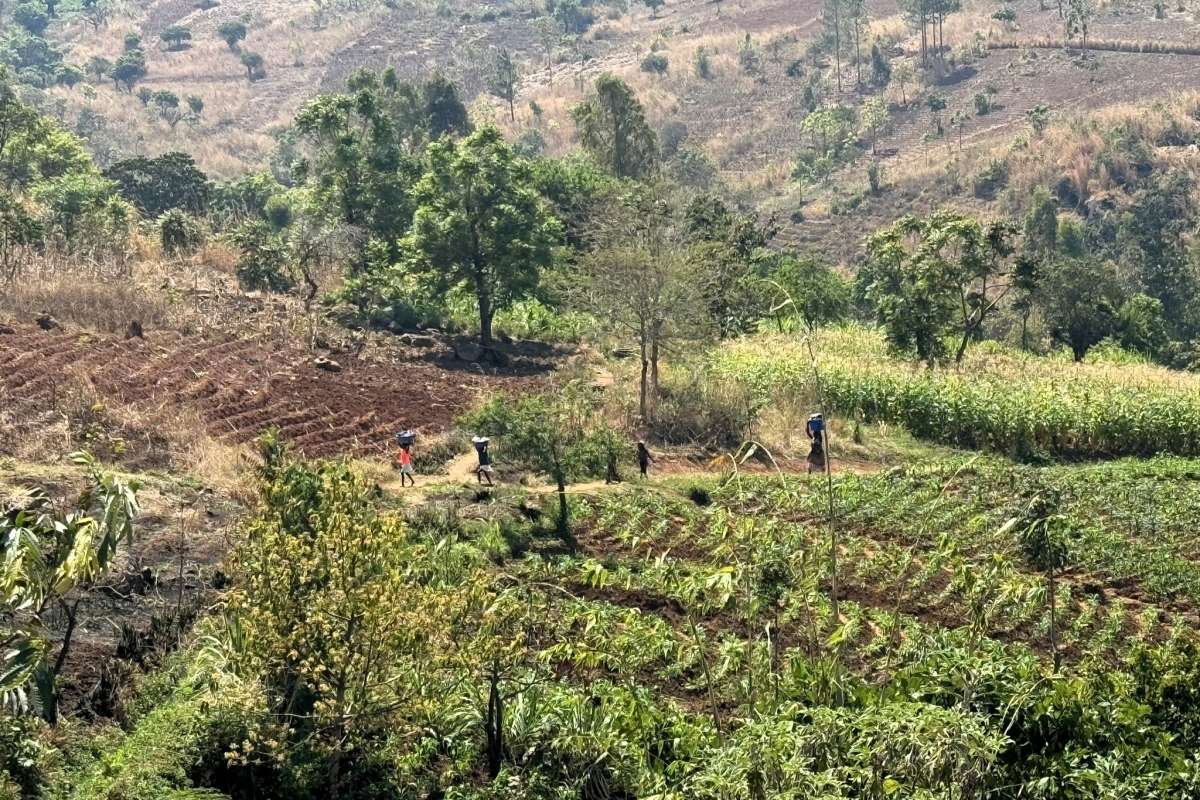
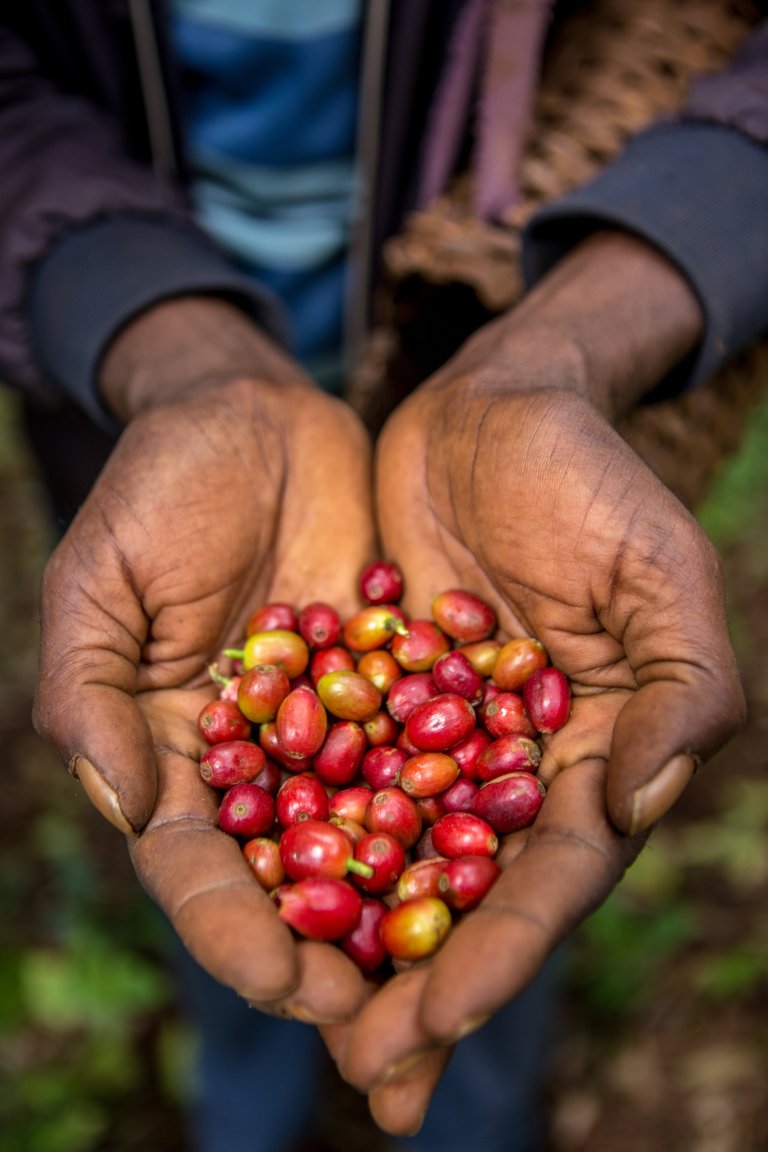
Ethiopia is home to the world’s last remaining wild Arabica coffee forests. Millions of smallholder farmers grow coffee under diverse shade trees that support biodiversity, improve soil health, and store carbon.
But these forests are under pressure from deforestation, intensive management, and the expansion of alternative cash crops like khat.
The new CoffeeLand project, led by NIBIO in collaboration with Norwegian and international partners, aims to provide science-based solutions to strengthen climate-smart management of these coffee-forest.
By combining satellite data, remote sensing, AI, and machine learning, the project will map forest structure, carbon stocks, and shade-tree diversity—and explore how these systems can contribute to the global carbon markets.
.jpg)
Why Coffee-Forests matter?
Dr. Belachew Gizachew, Project leader and Research Scientist at NIBIO, explains that Ethiopia’s coffee forests are currently the lifeline for millions of people and a critical genetic resource-base for the planet.
“Over 95% of these forests are managed by roughly 4.7 million smallholder farmers in the highlands, and the coffee-value chain supports more than twenty-five million people across the country. The forests also contain the world’s richest genetic diversity of Arabica coffee, essential for future resilience to climate change, pests, and diseases.,” he emphasises.
The shade trees in these forests provide multiple benefits. They protect the coffee from extreme weather, enhance soil health and carbon storage, and support a rich biodiversity.
“All of which strengthen the system’s resilience to climate change,” Dr. Gizachew says.
.jpg)
Deforestation is a threat
While coffee has historically helped slow deforestation, practices like removing shade trees and forest fragmentation now threaten wild coffee’s genetic diversity and the environments.
“Today, these pressures are eroding these landscapes,” he comments.
Dr. Gizachew explains that one of the challenges of these coffee-based agroforestry systems is that the smallholders lack an income over the course of the year.
“Today, many smallholder farmers in Ethiopia are gradually replacing coffee with khat and other crops because it provides a more reliable income throughout the year. Coffee is vulnerable to diseases and yields are unpredictable, while khat gives quick returns and cash when needed.”
Over the last few decades, the size of land devoted to monoculture khat farming in Ethiopia has increased by greatly; taking over substantial forest-coffee landscapes.
Coffee forests and carbon farming potential
But what if farmers could earn a steady income as a reward for protecting their coffee forests, instead of clearing the land or switching to other crops?
“There is a growing global interest in carbon farming and carbon credits for high-quality, nature-based carbon sources, including the conservation of native forests. Coffee-forest systems in Ethiopia are particularly well-suited for these initiatives,” Dr. Gizachew explains.
But a major challenge is the lack of scalable and reliable monitoring methods.
“Without these methods, integrating coffee forests into global carbon markets remains difficult. That limits the potential benefits for farmers and the national economy, he says.
.jpg)
AI and machine learning for climate-smart decisions
According to Dr. Gizachew, local coffee-farmer associations in Ethiopia often collectively manage large coffee-forest, where annual coffee-yields are well known.
“But how much carbon these forests store, the biodiversity benefits they provide, and which areas qualify for certified carbon projects remain poorly quantified. With accurate methods, these coffee-forests could unlock significant opportunities to sell high-quality carbon credits on international markets,” he highlights.
The project now aims to address these challenges by combining satellite and remote sensing data with advanced analytics.
"We aim to use low-cost drones, in combination with freely available data from sources such as Sentinel satellites, and NASA’s GEDI mission, together with artificial intelligence and machine learning, to develop better methods to map coffee-forest structure, extent, and carbon stocks," Dr. Gizachew comments.
They will also assess the potential of coffee-forests for carbon markets and global climate initiatives, providing a pathway for smallholders to benefit economically while protecting the environment, and continue producing high quality Arabica coffee.
Focusing on Ethiopia - the last remaining wild Arabica forests
The project focuses on two major coffee-growing regions in Ethiopia: The Southern Highlands (Bale) and the Southwestern Highlands (Jimma and Illubabor). These areas contain the last remaining natural forests and the world’s only habitats with genetically diverse wild Arabica coffee populations.
"They harbour Arabica varieties that are more resilient to climate change, pests, and diseases, making them critical not just for conservation, but for future coffee production worldwide."
The selected sites represent a full gradient of coffee-forest systems, capturing both the bioclimatic and geographic diversity of Ethiopian coffee farming.
“By combining local knowledge with advanced monitoring technologies, we want to strengthen coffee-forest management as a climate-smart land use strategy.
“But this project is about more than resource mapping.
"It’s about better informing coffee-farmers on conservation of their environment without compromising productivity amid the changing climate," Dr. Gizachew concludes.
Contacts

Belachew Gizachew Zeleke
Research Scientist
-
Division of Forest and Forest Resources
(+47) 902 48 909 belachew.gizachew@nibio.no Office Location: Ås H8
The CoffeeLand project is funded by the Norwegian Research Council and will run from 2026-2029.
What is wild coffee?
All coffee can be traced back to one place: small forest areas in Ethiopia. These are the forests where the coffee plant Coffea arabica grows wild—the berries are picked by humans but are also eaten by birds, baboons, and other wildlife. These coffee forests are mainly found in the highlands, are teeming with life, and are home to many rare and unique plants and animals. Wild coffee has great genetic diversity, which is important for developing coffee that is resistant to diseases and climate change.
Coffee forests and biodiversity
Plants
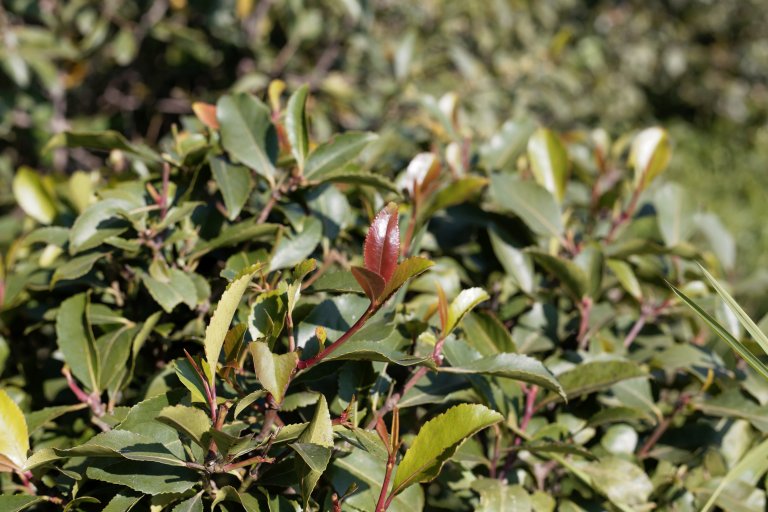
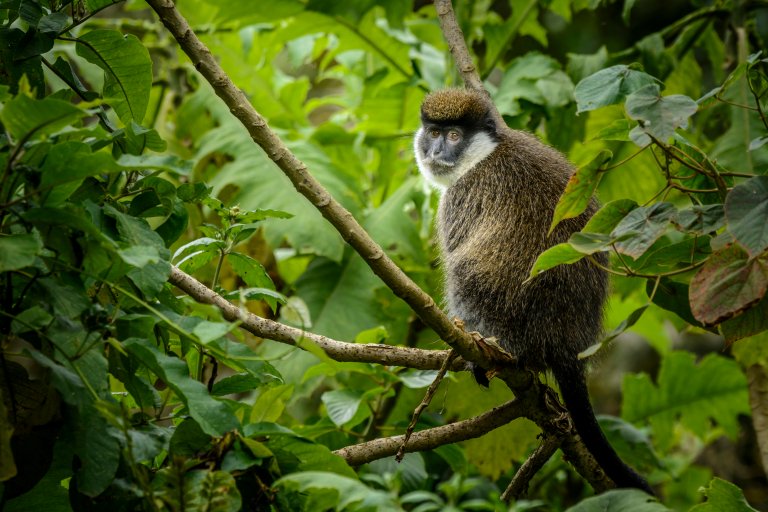
In Ethiopia, Coffea arabica grows in the shade of tree species such as Croton and Albizia. Shrubs, herbs, ferns, and fruit trees like fig provide food and shelter for wildlife. Bamboo patches create important habitats for species such as the Bale monkey.
Birds
The coffee forests are home to many forest-dependent and unique bird species. Species such as the Ethiopian Siskin, Blue-winged Goose, Abyssinian Catbird, White-cheeked Turaco, Prince Ruspoli’s Turaco, African Hill Babbler, and Abyssinian Woodpecker rely on these forests for food, nesting, and shelter.
Mammals
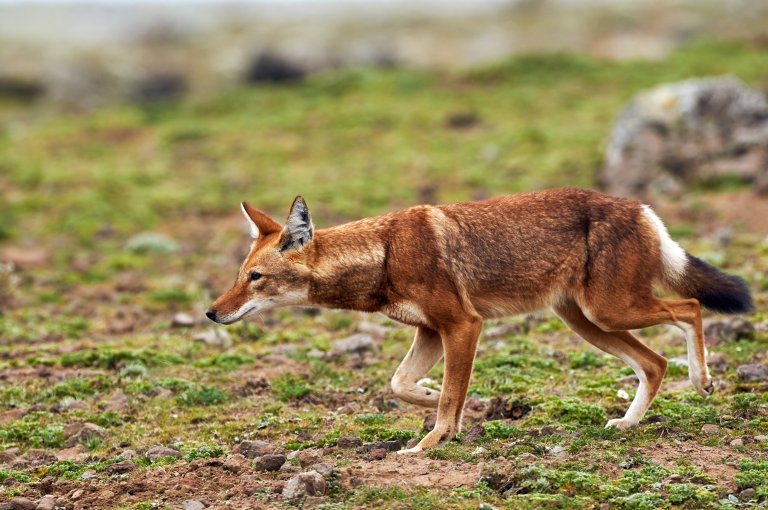
The wild coffee forests host a variety of mammals, including primates like the Bale monkey and Gelada baboon, as well as the rare Ethiopian wolf. They are also home to Menelik’s bushbuck, Ethiopian mountain hare, spotted hyena, rodents, and fruit-eating bats, which pollinate plants and disperse seeds—including those of wild coffee.
Insects, pollinators, and fungi
Bees, butterflies, and other insects pollinate wild coffee and many other forest plants. Fruit-eating insects and beetles help decompose organic matter and recycle nutrients. Fungi and soil organisms play a key role in breaking down organic material and providing nutrients to both coffee and other plants.

Contacts
Belachew Gizachew Zeleke
Research Scientist
-
Division of Forest and Forest Resources
(+47) 902 48 909 belachew.gizachew@nibio.no Office Location: Ås H8