Promising results for late blight–resistant CRISPR potatoes
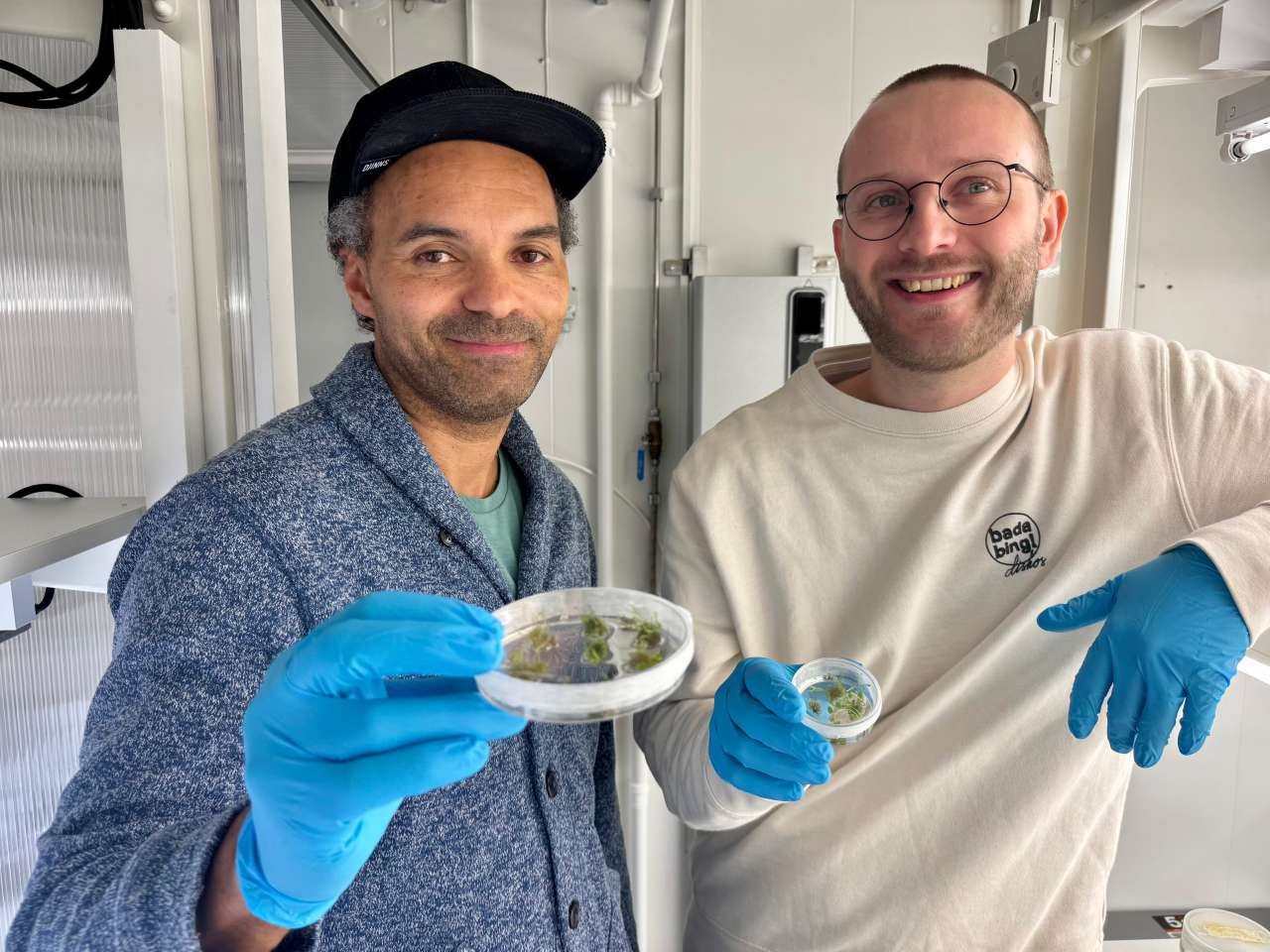
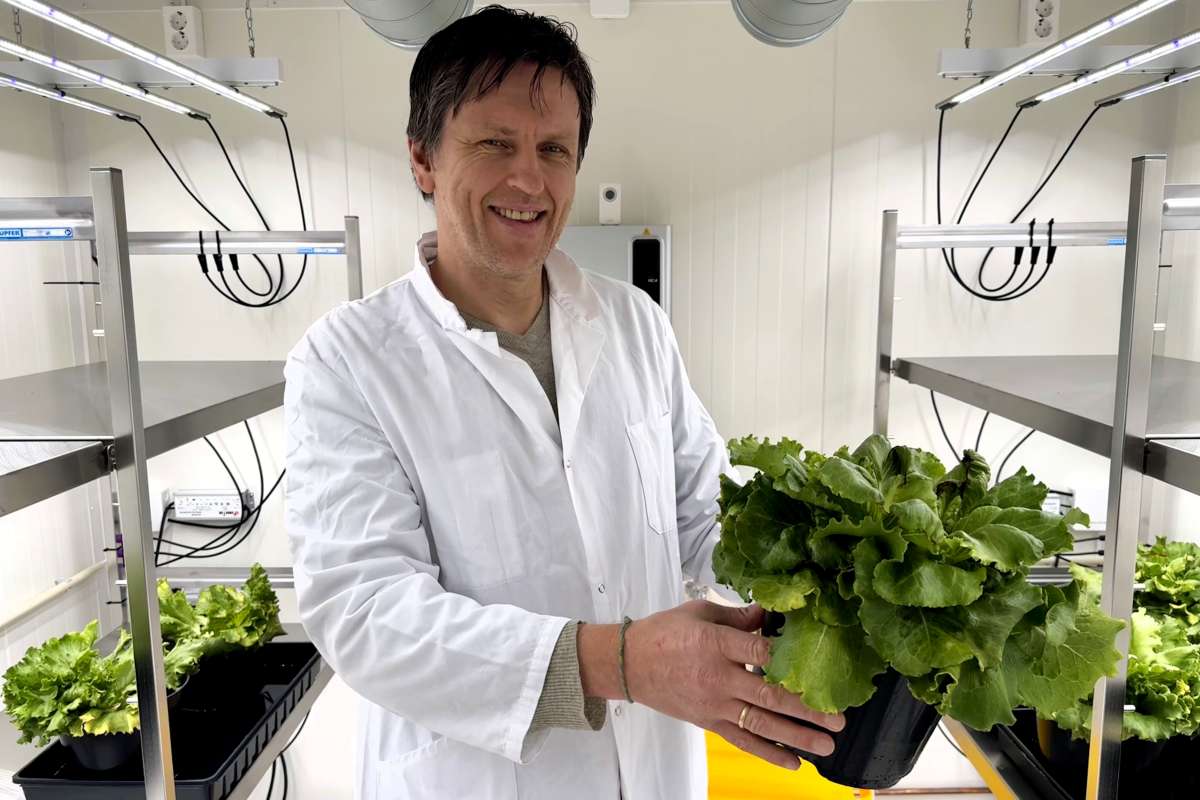
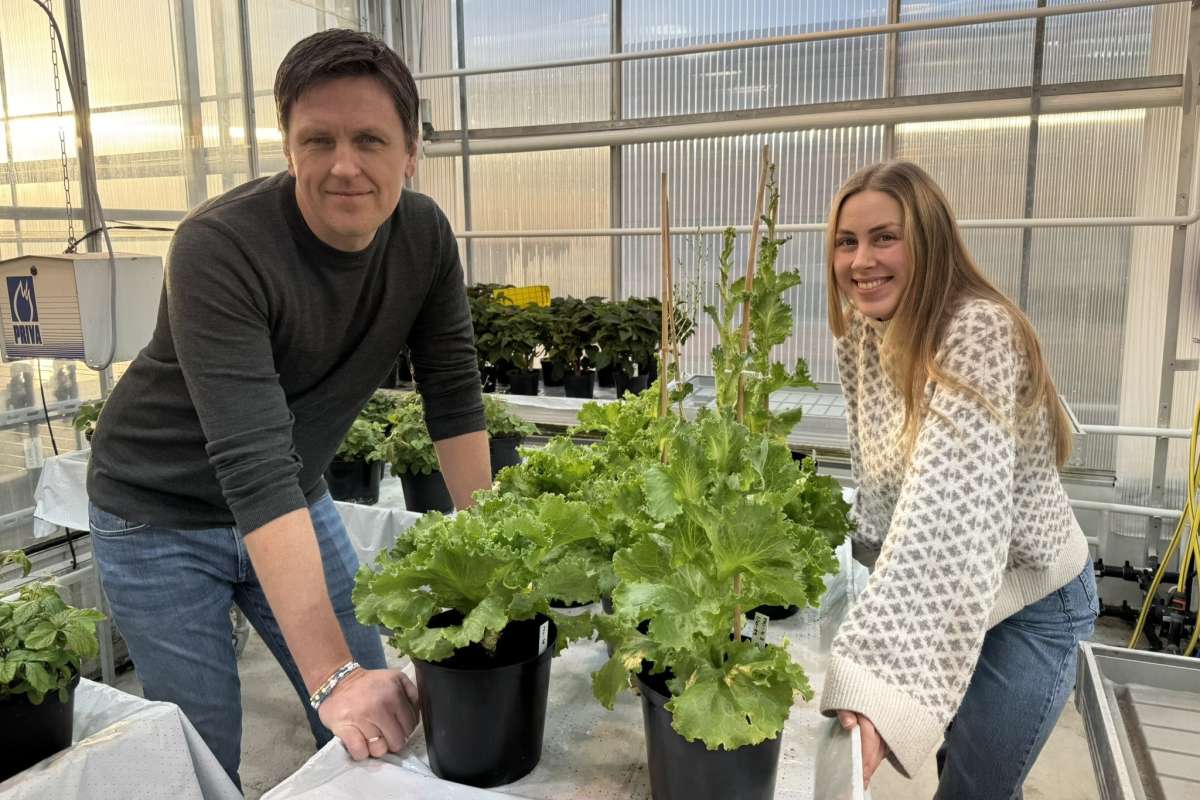
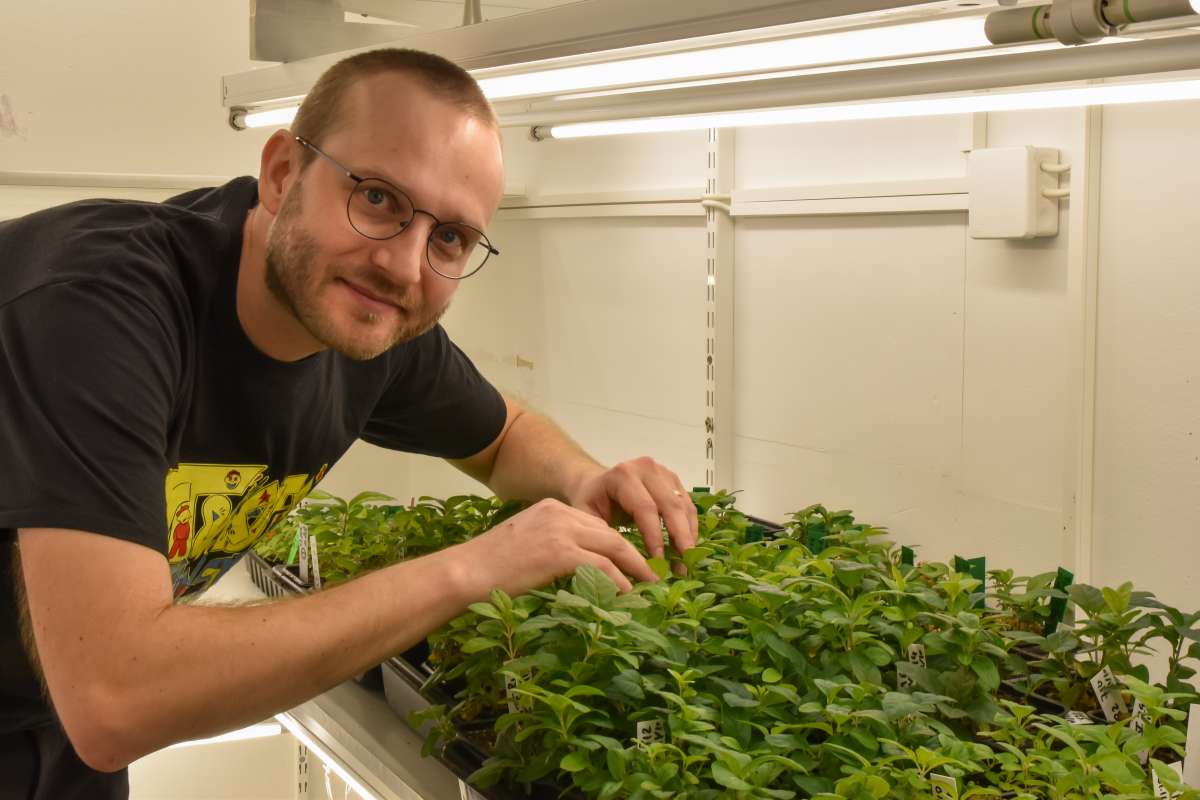
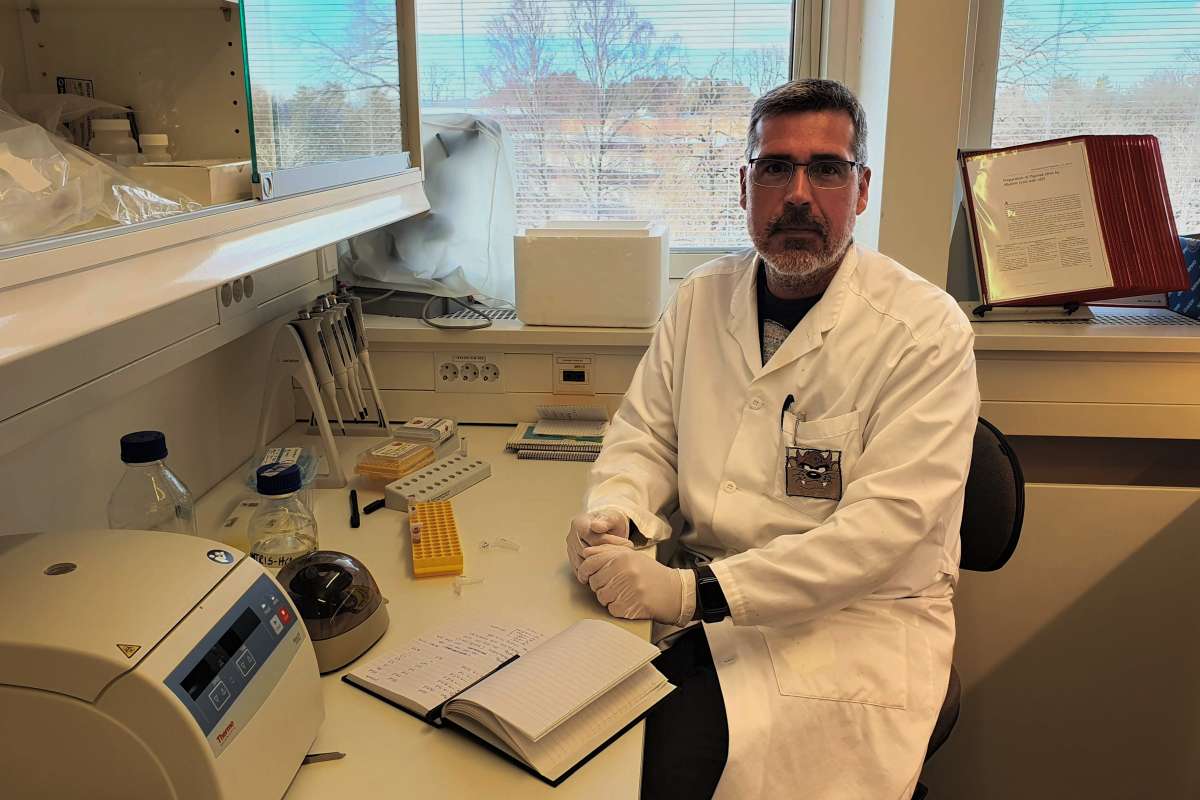
Sjur Sandgrind, researcher at NIBIO, and Magne Nordang Skårn, senior engineer at NIBIO, hope to develop a gene-edited potato with increased resistance to the potato disease late blight. Photo: Siri Elise Dybdal
Researchers at NIBIO have made encouraging progress in their efforts to develop potatoes with increased resistance to late blight.
“The experiment was carried out earlier this spring, but the plants have only now grown large enough for us to test them,” says Sjur Sandgrind, researcher at NIBIO.
“The results look promising. There are many genes that influence susceptibility and resistance to late blight. The gene we may have knocked out appears to act as a brake on the plant’s immune system.”
“If the results hold up, potato breeders will naturally be interested in commercialisation,” Sandgrind adds.
Productive collaboration
The project is being carried out in collaboration with Graminor, the Norwegian University of Life Sciences (NMBU), Inland Norway University of Applied Sciences, and several commercial partners.
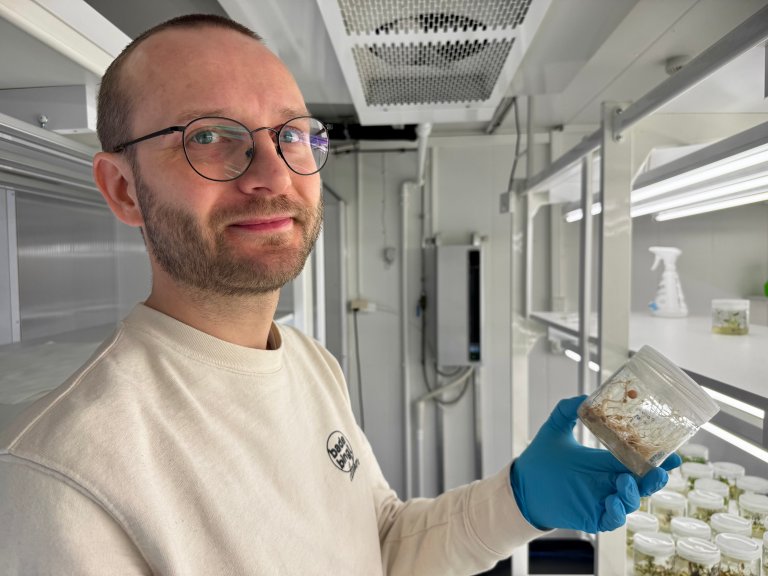
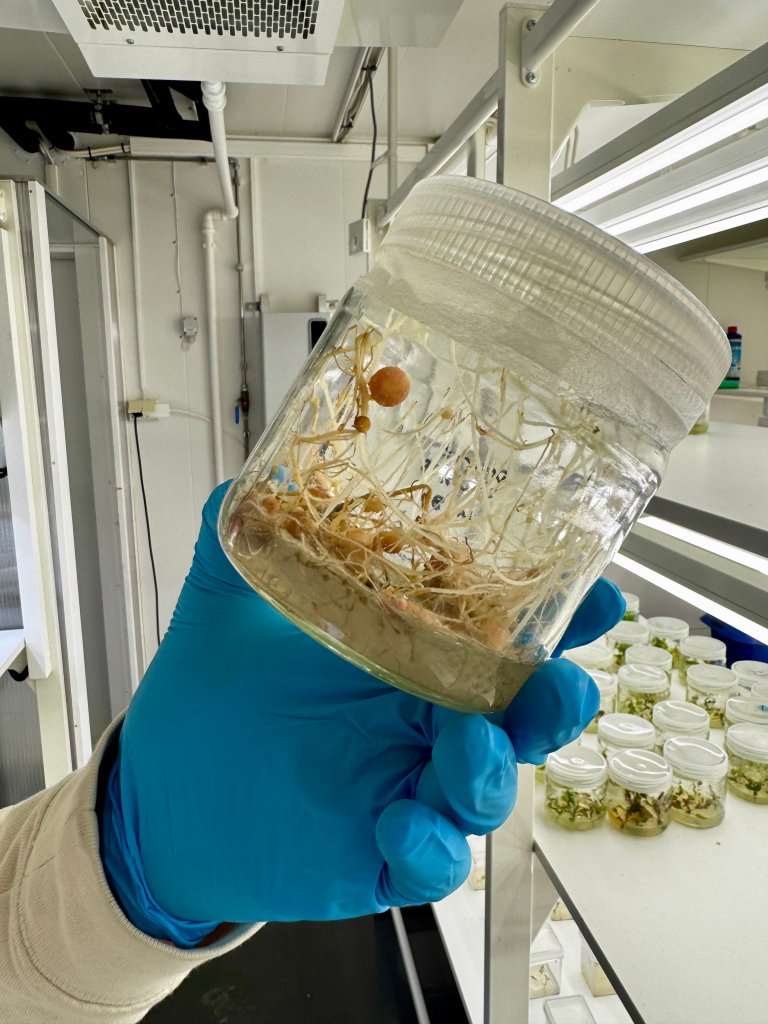
“We have used the Norwegian potato variety Nansen in this trial,” says Magne Nordang Skårn, senior engineer at NIBIO.
“In addition, we have a list of several other varieties supplied by commercial partners. These include almond potato, which is highly susceptible to late blight, as well as some foreign varieties that are of interest to the potato chips industry. The list includes varieties with varying levels of resistance,” he explains.
Could bring major benefits for Norwegian potato farmers
Sandgrind emphasises that even small improvements in resistance to late blight can have a significant impact.
“Even if the potatoes do not become fully resistant, a moderate improvement could still have major positive effects.”
He explains that several plant protection products are currently used to control late blight.
“However, we are seeing that several of them are losing effectiveness because the pathogen is developing resistance. There is also a desire to phase out some of these products. Some pesticides are only approved for temporary use through emergency authorisations, as they do not meet the Norwegian Food Safety Authority’s environmental and health requirements,” Sandgrind explains.
In Norway, potato fields are sprayed an average of 8–10 times per season, and up to 16 times in years with severe late blight pressure. More than 25 per cent of all pesticide use in Norway is directed at controlling late blight.
Sandgrind points out that farmers’ costs for chemicals alone were estimated at NOK 105–125 million in 2022, in addition to losses from reduced yields and negative impacts on the environment and human health.
“One of the challenges is that new variants of late blight continue to emerge. There is also always a risk that resistance will develop.
“That is why it is so important to find new tools. Even a small reduction in disease pressure can reduce the need for pesticides, improve yields and strengthen farm profitability—especially as a warmer and wetter climate may allow late blight to gain a stronger foothold,” the NIBIO researcher concludes.
Contacts

Sjur Sandgrind
Research Scientist
-
Division of Biotechnology and Plant Health
(+47) 977 34 645 sjur.sandgrind@nibio.no Office Location: Ås H7
Links
Graminor: GE-SustainPotato late blight
Potato late blight is the most important disease affecting potatoes in Norway. It is caused by a fungus-like organism that attacks leaves, stems and tubers. The pathogen overwinters in seed potatoes or in the soil and causes the greatest damage in warm, humid conditions. Approximately half of all fungicide use in Norwegian agriculture is aimed at controlling late blight. A national warning and forecasting service for this pathogen has been in place since the late 1950s.
GE-Sustain
The project is an IPN project (Innovation Project for the Industrial Sector) led by Graminor.
Contacts
Sjur Sandgrind
Research Scientist
-
Division of Biotechnology and Plant Health
(+47) 977 34 645 sjur.sandgrind@nibio.no Office Location: Ås H7