Catchment planning boosts impact of small water retention measures
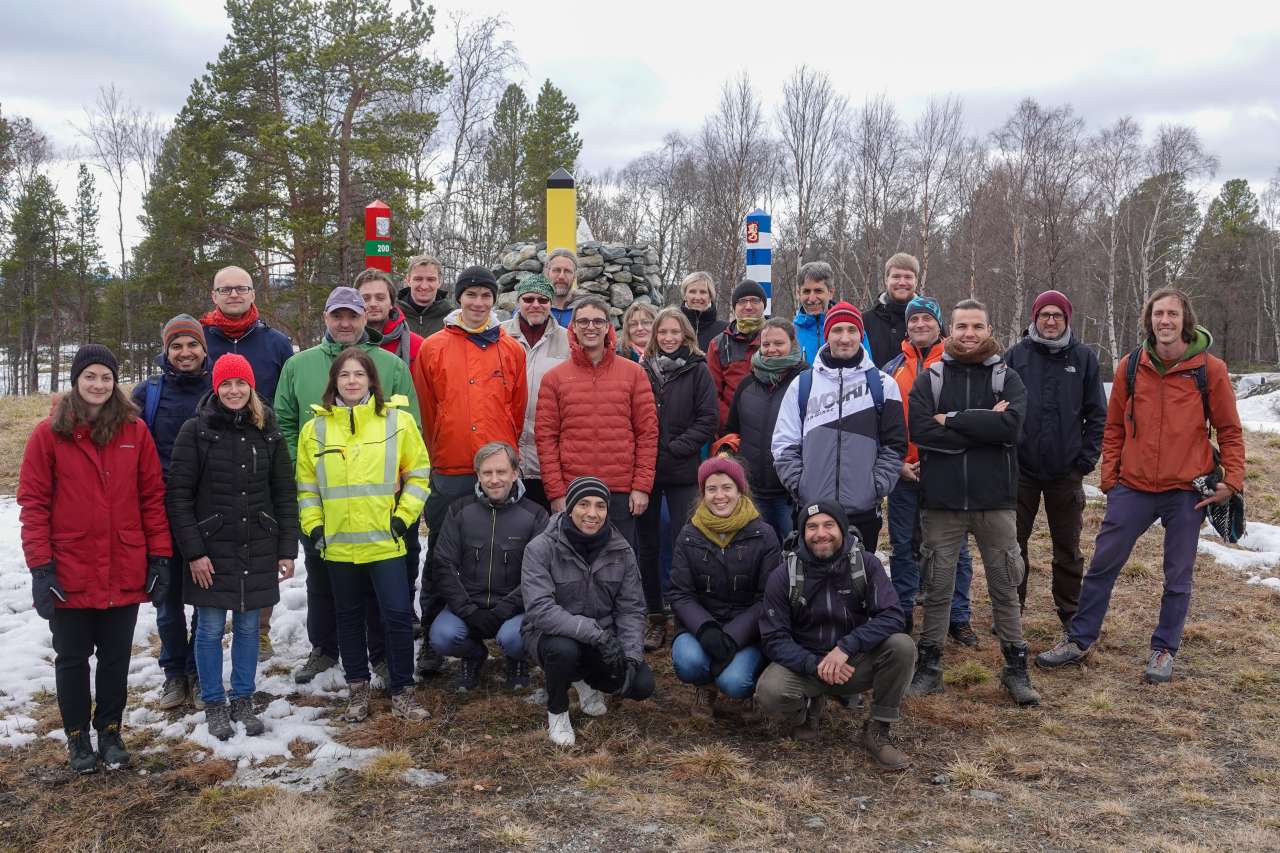
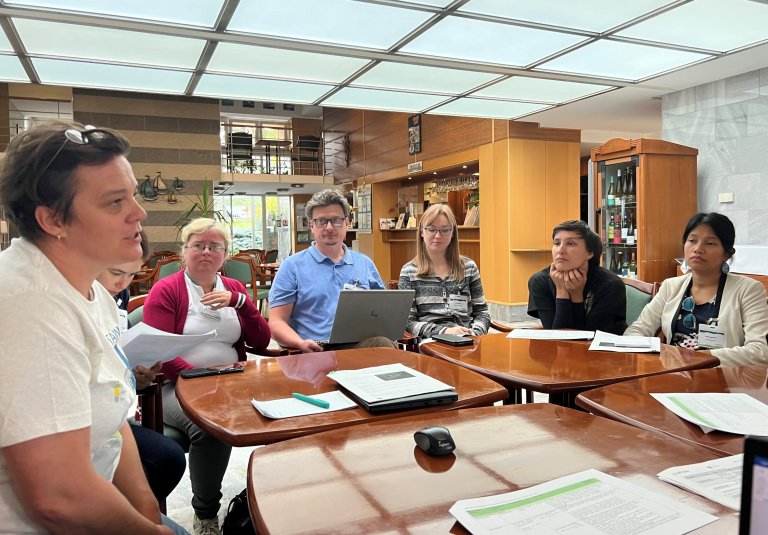
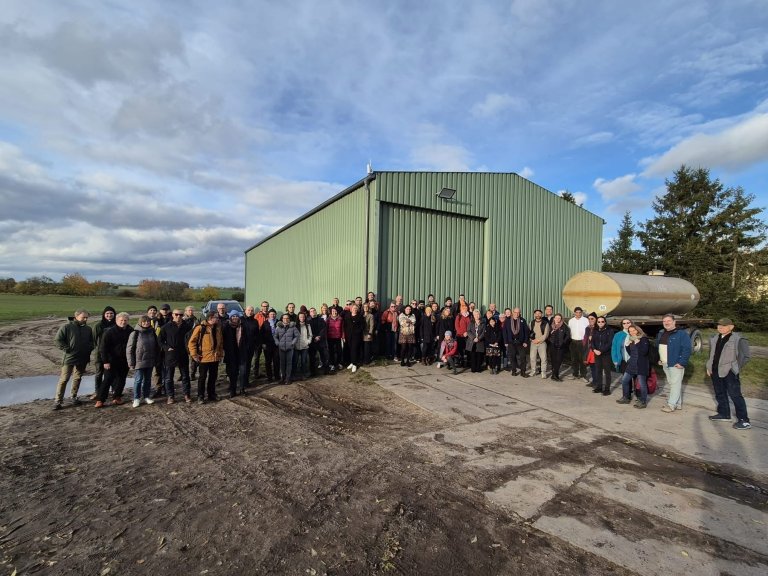
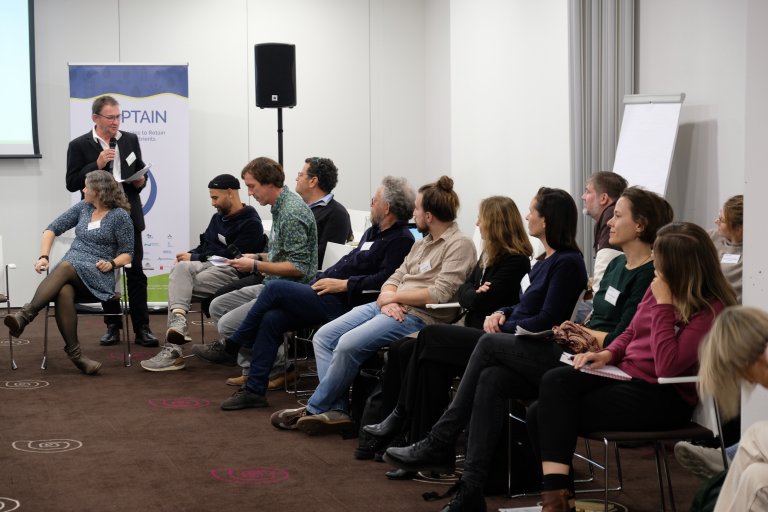
OPTAIN modellers at a workshop at NIBIO Svanhovd in the Pasvik Valley in Northern Norway in 2022. Photo: Morten Günther
Small-scale water retention measures are most effective when combined and planned at catchment level. This is one of the key findings of the EU-project OPTAIN, which has compared nature-based solutions in 14 agricultural catchments across Europe.
Flooding, drought, and the loss of soil and nutrients are well‑known challenges in agricultural catchments. Climate change is making these problems more pronounced. More intense rainfall leads to more runoff and erosion in fields, while longer dry periods increase the need to retain water in soils and across the wider landscape.
In the recently concluded EU project OPTAIN, researchers, public authorities and farmers from several European countries worked together to identify solutions that work in practice. Over five years, the project examined how small, nature‑based measures can help retain water, soil and nutrients so that more remains on the field, and less enters streams, rivers and other freshwater bodies.
“At EU level, these are often referred to as Natural Water Retention Measures. In OPTAIN, we added the word small, as in Natural Small Water Retention Measures, to emphasise that we are talking about interventions that are relatively “easy” to implement,” says Dr Attila Nemes, research professor and project coordinator at NIBIO.
Why a European initiative was needed
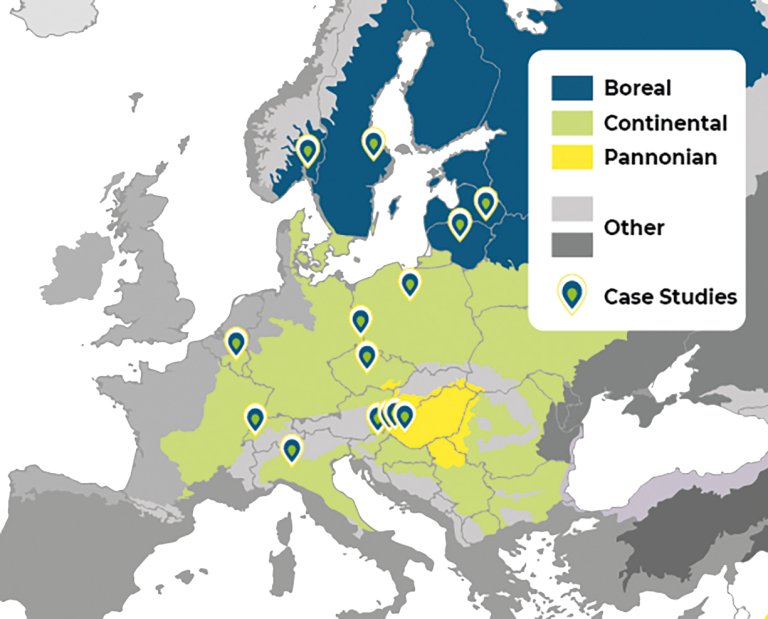
To understand what works in different farming systems and under varying climatic conditions, OPTAIN worked in 14 small, agriculture‑dominated catchments across Europe. The challenges ranged from dry, erosion‑prone arable land in southern and eastern Europe, to wetter clay‑soil catchments in the north.
“The diversity of catchments allowed us to identify which measures work best where, how they affect flow, erosion and nutrient losses, and what support is needed for farmers to actually implement them,” says Dr Dominika Krzeminska, Head of Department at NIBIO. In OPTAIN, she led the Norwegian case study and played a key role in selecting, implementing and evaluating water‑ and nutrient‑retention measures.
The measures assessed and tested in collaboration with farmers and advisers were largely practical and already familiar to many in each case study.
“We looked at many different measures, including vegetated buffer zones along streams and rivers, grassed waterways in arable fields, hedgerows and other landscape features, sedimentation ponds, and constructed wetlands. Reduced tillage, cover crops and other field‑scale measures were also analysed,” says Dr Krzeminska.
Greatest impact when measures are considered together
A key finding was that many of these measures are effective on their own, but that the overall benefit is clearly greater when they are combined and strategically placed within the catchment.
“The results were very clear. Small measures can make a big difference when they are implemented in the right places and combined in a sensible way. We see reduced soil loss and more water retained in the landscape, which in turn reduces pressure on rivers, streams and other freshwater bodies,” says Dr Krzeminska.
At the same time, she stresses that important trade‑offs must be taken into account.
“Measures with a strong environmental effect may involve costs, require land, or affect farm operations. This is why OPTAIN has focused on developing a transparent and systematic basis for weighing environmental benefits against operational and economic considerations.”
Modelling and stakeholder involvement
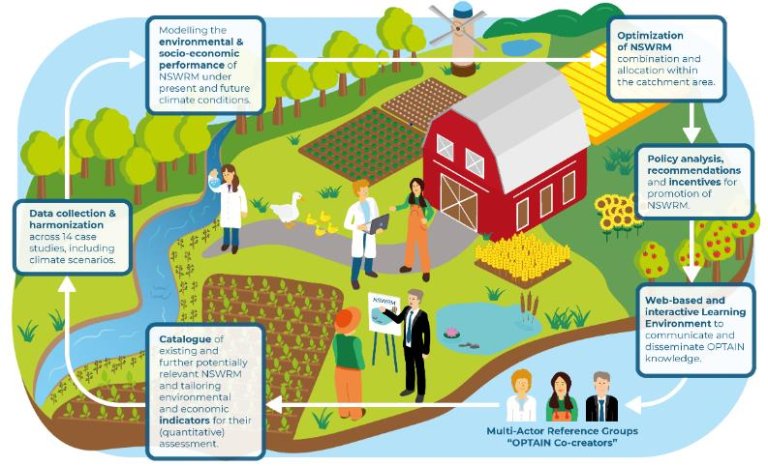
In the project, advanced modelling was combined with close collaboration with local stakeholders. The researchers analysed how different measures affect water, nutrients and crop yields, both under current climatic conditions and future climate scenarios.
“We used the same modelling framework across all study areas. This gave us a stronger basis for comparing results and drawing more general conclusions,” says Dr Csilla Farkas, Senior Scientist at NIBIO with a key role in adapting and applying the models used in the project.
Engagement with farmers, advisers, authorities and other local actors was integral from the outset. In each study area, these stakeholders participated in so‑called reference groups, contributing local knowledge, assessing what was realistic to implement, and discussing the placement and design of measures.
“For farmers and advisors, the measures must have a documented effect, but also be practical and economically viable. Stakeholder involvement is therefore crucial for linking modelling results to real‑world decision‑making,” says Dr Anne-Grete Buseth Blankenberg, Senior Scientist at NIBIO. Dr Blankenberg led the Norwegian case study’s stakeholder group and contributed as an expert on small water retention measures.
Interviews and surveys confirmed a quite familiar and natural pattern: farmers tend to prioritise yields and income, while water and environmental authorities focus more on water quality and freshwater ecosystems.
“That is why we have developed tools that make these trade‑offs more visible. This can make it easier to identify solutions that a broader range of stakeholders can support,” Dr Blankenberg explains.
Norwegian experience: the Kråkstadelva catchment
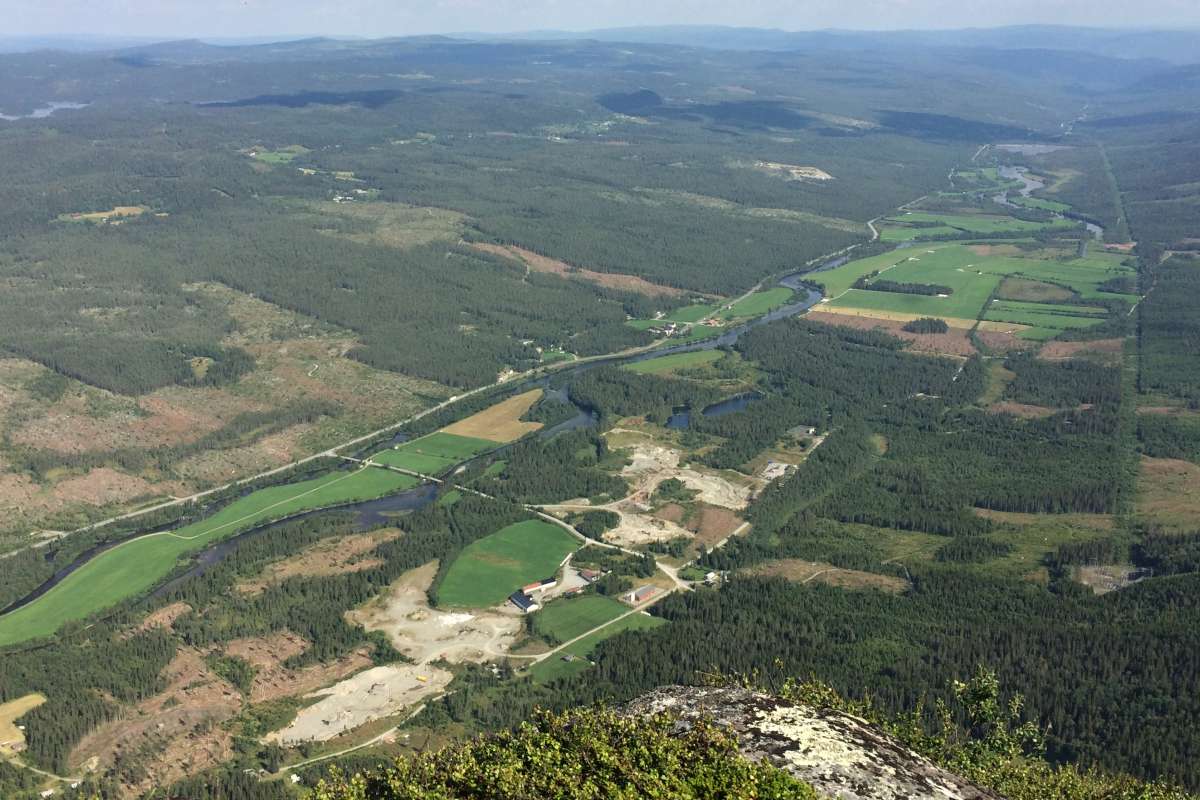
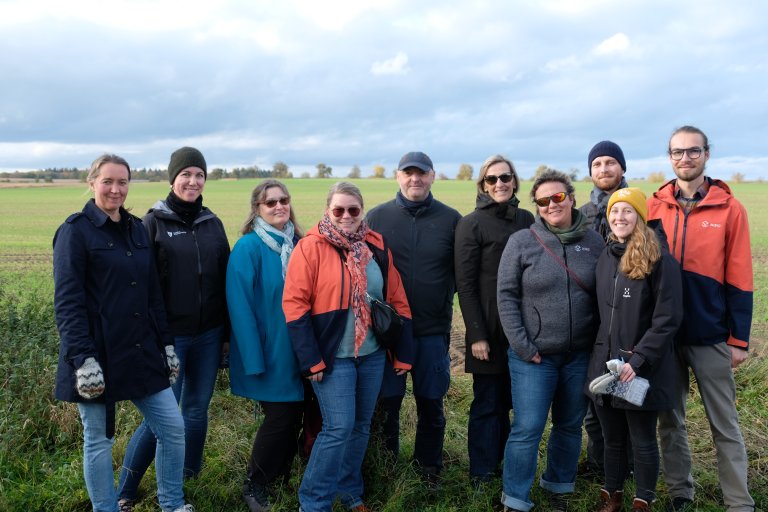
The Norwegian case study was the Kråkstadelva catchment, a sub‑catchment of the Hobølelva river system in south‑eastern Norway. The catchment covers approximately 51 km², of which around 43 per cent is agricultural land. The area is dominated by cereal production on highly clay‑rich soils, and parts of the catchment are prone to flooding, particularly during snowmelt and heavy rainfall.
Kråkstadelva has long faced serious challenges related to freshwater quality. Phosphorus inputs are partly caused by erosion from agricultural land and bank erosion in streams.
To reduce soil and nutrient losses, a range of mitigation measures has been implemented, including reduced tillage, grassed buffer strips and waterways, the use of cover crops, and the construction of sedimentation ponds.
“The work in Kråkstadelva has given us a stronger knowledge base for discussing measures at catchment level, both with farmers and with authorities. It was particularly useful to see how the different measures interact,” says Dr Blankenberg.
She emphasises that the Norwegian experience mirrors findings elsewhere in Europe: there is rarely a single measure that works everywhere. Local conditions such as soil type, topography, farming practices and environmental objectives must guide implementation. A combined and integrated approach delivers the greatest effect.
At the same time, OPTAIN shows that nature‑based measures are not “one‑off solutions”. For measures such as sedimentation ponds and wetlands to deliver long‑term benefits, they must be correctly placed in the landscape and followed up with ongoing management and maintenance.
“They can lose effectiveness if they become overgrown or filled with sediment. This is an important reminder that measures are not just about construction, but about long‑term responsibility,” says Dr Buseth Blankenberg.
From research to guidelines: what next?
The OPTAIN researchers are clear in their recommendations to policymakers and authorities: If small measures are to deliver large benefits for agriculture and the freshwater environment, it must be easier to make the right choices.
“We need to ensure that the right choices are easy to identify and implement. Better‑aligned regulations, more targeted support schemes and joint planning can help direct measures that actually work - for both farmers and freshwater ecosystems,” says Dr Attila Nemes.
Although OPTAIN concluded in February 2026, its results remain as a practical toolbox. The tools, methods and experiences can be applied in advisory services, municipal case handling, and catchment‑based water management planning.
For NIBIO, the project has been important both in terms of research and methodological development.
“OPTAIN has strengthened our knowledge of how freshwater measures can be assessed and prioritised at catchment scale. This is highly relevant to our work on the Water Framework Directive and climate adaptation in agriculture,” Dr Nemes concludes.
Contacts
(+47) 915 98 728 dominika.krzeminska@nibio.no Office Location: Ås O43
(+47) 416 97 737 anne-grete.blankenberg@nibio.no Office Location: Ås O43
Links
www.optain.euOPTAIN
OPTAIN (Optimal strategies to retain and re‑use water and nutrients) is an EU‑funded research and innovation project under Horizon 2020, aiming to make European agriculture more resilient in the face of climate change.
• Duration: 2020–2026
• Scope: 14 study areas in small, agriculture‑dominated catchments across Europe
• Norwegian study area: Kråkstadelva in the Morsa river basin
• Norwegian partner: NIBIO
Objectives
To develop more effective and targeted measures that can reduce soil and nutrient losses, mitigate flooding and drought, and contribute to more sustainable and resilient agricultural production under a changing climate.
Approach
• Mapping and assessment of measures in collaboration with farmers, authorities and other local stakeholders
• Modelling of water flows, nutrients and crop responses
• Analysis of combinations of measures and optimal placement within catchments
Examples of measures
• Grassed waterways and vegetated buffer strips
• Sedimentation ponds and wetlands
• Changes in tillage practices and the use of cover crops
Partners
OPTAIN brought together around 20 research and management organisations from 14 European countries and was coordinated by the Helmholtz Centre for Environmental Research (UFZ) in Germany. Partners include universities, research institutes and advisory organisations working in hydrology, agronomy, environmental management and social sciences - from countries including Norway, Sweden, Germany, Italy, Poland, Switzerland, Belgium, Slovenia, Lithuania and Latvia.
Contacts
(+47) 915 98 728 dominika.krzeminska@nibio.no Office Location: Ås O43
(+47) 416 97 737 anne-grete.blankenberg@nibio.no Office Location: Ås O43
%20combined%20bufferzone-2.jpg?quality=60)